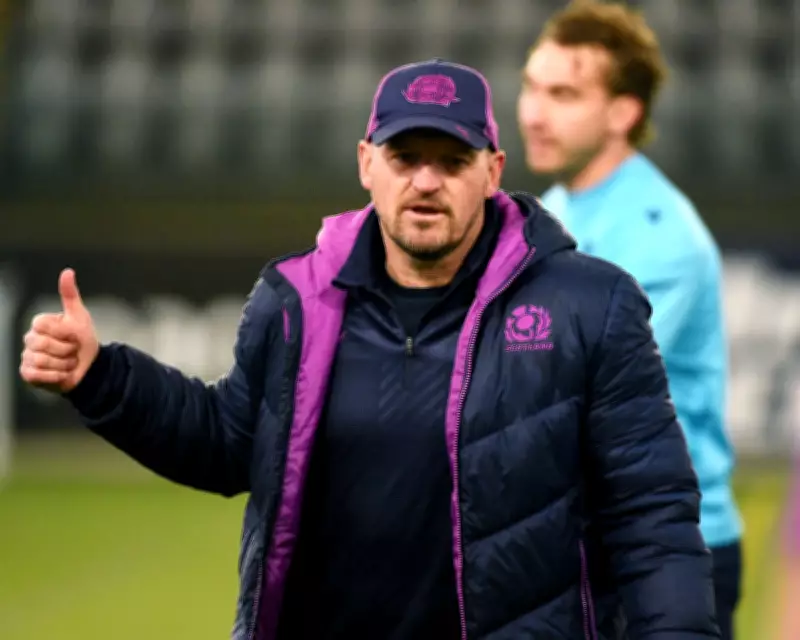
Scotland's Gregor Townsend Under Intense Pressure After Shock Italy Defeat
Gregor Townsend, the head coach of Scotland's national rugby team, is facing mounting pressure regarding his position following a stunning and unexpected defeat by Italy in their opening match of the Six Nations Championship. The 18-15 loss in Rome has cast a dark cloud over Townsend's leadership, with his future now under intense scrutiny as Scotland prepares for the crucial Calcutta Cup encounter against England.
A Defining Moment of Disappointment
The defeat against Italy represents a significant low point for Scotland under Townsend's nearly nine-year tenure. This loss has prompted serious questions about whether the team has progressed during his time in charge, especially considering Scotland were ranked fifth in the world when he took over and have since slipped to tenth position. The performance in Rome, marked by inconsistency and a lack of clinical execution, has amplified concerns that Townsend may have reached a point of diminishing returns with this squad.
John Barclay, former Scotland captain under Townsend, has publicly stated that if the team fails to finish in the top three of this season's Six Nations, coaching change will become "a necessity." This sentiment reflects growing frustration among supporters and analysts who believe the current squad possesses considerable potential that is not being fully realized under the current coaching regime.

The Weight of History and Expectations
Gregor Townsend's legacy as a Scottish rugby legend adds complexity to the current situation. As a player, he was instrumental in historic moments, including the famous "Toonie flip" that helped Scotland secure their first victory in Paris in two decades in 1995. In 1999, he became the first Scotsman since 1925 to score a try in every game of a Championship-winning campaign, Scotland's most recent Six Nations title.
Despite these past glories, modern sport operates with increasingly short memories. While Townsend has overseen five wins and a draw against England in their last eight meetings, his tenure has never produced a Six Nations finish higher than third or a progression beyond the Rugby World Cup pool stages. The recent contract extension to 2027, signed just months before the Italy defeat, now appears particularly questionable in light of Glasgow's success under Franco Smith and the availability of alternative coaching talent.
The Broader Coaching Context
Townsend's predicament reflects a recurring pattern in international rugby coaching. History suggests that even the most successful coaches face diminishing returns after six to eight years in charge, regardless of their initial achievements. Eddie Jones and Warren Gatland both experienced challenging endgames to otherwise remarkable careers, while football provides parallel examples like Joachim Löw, who led Germany to World Cup glory in 2014 but struggled in subsequent years before eventually departing.
As Townsend himself acknowledged after the Italy match, "I believe in the players, I believe in what we're doing. It didn't happen and we've got to make sure it happens next week." This statement underscores the immediate pressure he faces to turn things around quickly, particularly with the Calcutta Cup looming and Italy having now overtaken Scotland in the world rankings.
Looking Ahead to Murrayfield
The upcoming match against England at Murrayfield now carries extraordinary significance for Townsend's future. A strong performance and victory could temporarily alleviate the pressure, while another disappointing result would likely intensify calls for change. The backdrop is further complicated by Scotland's historical inconsistency under Townsend, which has become a defining characteristic of his tenure.
Beyond the immediate Six Nations context, this situation raises broader questions about coaching longevity in international rugby. With Rassie Erasmus, Andy Farrell, and Fabien Galthié all approaching similar tenure milestones with their respective national teams, Townsend's experience may serve as a cautionary tale about the challenges of maintaining freshness and impact over extended periods.

As Scotland prepares for their Calcutta Cup challenge, all eyes will be on whether Townsend can inspire the kind of performance that has occasionally illuminated his tenure, or whether this represents the beginning of the end for one of Scottish rugby's most prominent figures. The coming weeks will determine whether he can reverse the narrative or whether Scottish Rugby will need to consider the difficult decision of seeking new leadership.