England's Six Nations Struggles Demand a Composed Response
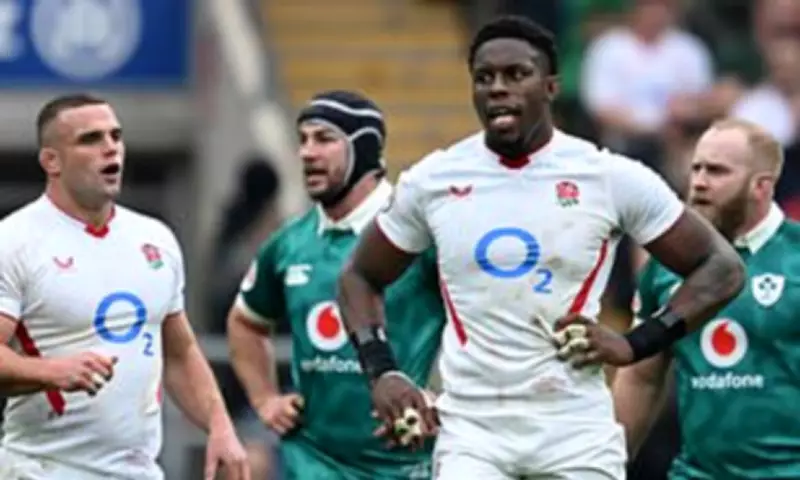
This England rugby team cannot continue to underperform in the Six Nations championship. Coach Steve Borthwick and his players are acutely aware of this reality, needing no reminder from the criticism that has followed their losses to Scotland and Ireland. However, the stark fact remains: England's last Six Nations title dates back to 2020, a disappointing record for a squad boasting quality players, deep resources, and substantial financial backing. There is no denying that their recent performances have fallen far short of expectations.
Handling Crisis with Calmness, Not Chaos
Borthwick and the England team have faced significant backlash since their defeats, much of it justified given the subpar displays on the field. In times of crisis, external observers often anticipate internal turmoil, but this is precisely the wrong approach. England's journey from a 12-match winning streak to two dismal outings illustrates how quickly fortunes can change in professional sports. I understand this dynamic firsthand; it is challenging to navigate, but a calm, measured response—rather than reactive shouting—is essential for recovery.
In 2012, Wales celebrated a Six Nations Grand Slam victory, only to suffer four consecutive autumn defeats later that year, including embarrassing losses to Argentina and Samoa at home. This rapid shift from hero to zero mirrors England's current predicament. When things unravel swiftly, the instinct is to question everything: Is the gameplan flawed? Are training regimes inadequate? Does the schedule or nutrition need overhauling? International rugby's physical demands mean that setbacks, like England's recent woes, can feel overwhelming, making composure crucial.

Borthwick's Leadership and the Importance of Perspective
I was impressed by Borthwick's post-match interviews after Ireland's 42-21 victory. He rightly noted that England were not the world's best during their winning streak, nor are they the worst after two losses. This balanced messaging is vital in today's polarised society, where extremes often overshadow nuance. In professional sports, as in life, finding a middle ground is key to progress.
Reflecting on Wales' 2013 Six Nations, after a poor run continued with a home loss to Ireland, our coaches—Warren Gatland, Shaun Edwards, and Rob Howley—opted not to overhaul everything. Instead, they refocused on basics: reducing errors, becoming hard to beat, and executing simple tasks effectively. This approach led to a gritty 16-6 win in Paris and, ultimately, a Six Nations title without conceding a try. It demonstrates that recovery is possible with patience and clarity.
England's Challenges and the Italy Test
All is not lost for England, despite their title hopes fading. Their slow starts and high error counts against Scotland and Ireland made comebacks impossible, exemplified by George Ford's uncharacteristic mistakes. While fan frustration is understandable—evident in sarcastic cheers—team support is fundamental to morale. In 2014, I witnessed Rhys Priestland booed by Welsh supporters, a situation that negatively impacted him and the team. England will likely receive backing in their upcoming match against Italy, given the travel appeal for fans.
However, England's confidence has been shaken, and they face a tricky away game in Italy. The Azzurri, though never having beaten England, pose a real upset threat, especially with their strong scrum and dangerous backline. Borthwick's response has been to make significant changes, including a revamped back-line with Elliot Daly at full-back, Fin Smith at fly-half, Seb Atkinson at inside centre, and Cadan Murley on the wing. While injuries forced some adjustments, introducing multiple new combinations risks cohesion and could lead to rustiness.
England's scrum has been a rare bright spot, but Italy excels in this area too. To succeed, England must cut errors, a task complicated by fresh faces lacking game time together. If they emulate Wales' 2013 strategy—focusing on fundamentals—they can regain form. I predict a narrow England victory, but it will require discipline and unity.

England Team Line-Up for Italy Clash
Starting XV: Elliot Daly; Tom Roebuck, Tommy Freeman, Seb Atkinson, Cadan Murley; Fin Smith, Ben Spencer; Ellis Genge, Jamie George, Joe Heyes, Maro Itoje (capt), Guy Pepper, Tom Curry, Ben Earl.
Replacements: Luke Cowan-Dickie, Bevan Rodd, Trevor Davison, Ollie Chessum, Sam Underhill, Henry Pollock, Jack van Poortvliet, Marcus Smith.