Zelensky Slams IOC Decision to Disqualify Ukrainian Skeleton Athlete
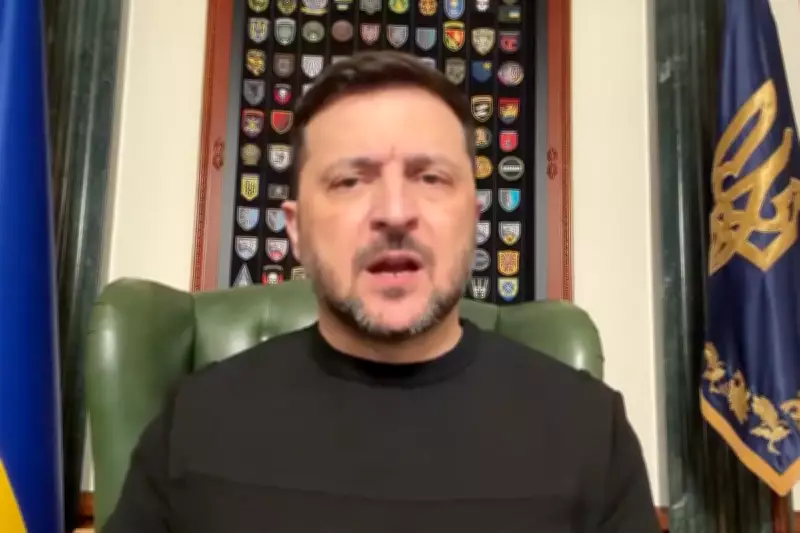
Ukrainian President Volodymyr Zelensky has publicly criticised the International Olympic Committee (IOC) for its decision to disqualify Ukrainian skeleton athlete Vladyslav Heraskevych from the Winter Olympics. The disqualification occurred after Heraskevych wore a helmet during the skeleton heats that honoured Ukrainian athletes who have died in the ongoing war with Russia.
IOC Cites Rule Violation for Political Demonstration
The IOC stated that the helmet violated Rule 50.2 of the Olympic Charter, which explicitly prohibits any form of political, religious, or racial propaganda at Olympic sites. According to the committee, the helmet constituted a political demonstration, thus breaching the charter's guidelines designed to maintain the neutrality of the Olympic Games.
Rule 50.2 forbids demonstrations or propaganda in all Olympic venues, aiming to keep the focus on athletic competition rather than external issues. The IOC emphasised that this rule is applied uniformly to all athletes to ensure fairness and adherence to Olympic principles.

Zelensky Argues Honouring War Dead Is Not Political
In response, President Zelensky argued that speaking about current events should not be considered a political act. He contended that honouring athletes who have lost their lives in the war is a matter of human dignity and remembrance, rather than a political statement. Zelensky's criticism highlights the tension between Olympic regulations and the personal expressions of athletes affected by global conflicts.
The Ukrainian leader's remarks underscore a broader debate about the limits of free expression in international sports, particularly in contexts involving war and humanitarian issues. This incident has sparked discussions on whether Olympic rules should be more flexible to accommodate such expressions of solidarity and mourning.
Background and Implications
Vladyslav Heraskevych's disqualification comes amid heightened tensions due to the war in Ukraine, which has had widespread impacts on Ukrainian society, including its athletes. The helmet in question was intended as a tribute to fallen compatriots, reflecting the personal and national struggles faced by Ukrainians.
This event raises questions about the IOC's enforcement of Rule 50.2 and its interpretation in cases involving war-related symbolism. It also points to potential conflicts between maintaining Olympic neutrality and allowing athletes to acknowledge significant personal and national experiences.
As the situation develops, it may influence future policies on athlete expression at international sporting events, with possible repercussions for how similar cases are handled in the context of global conflicts and human rights issues.