Organisers of the Milano Cortina Winter Olympics have announced a comprehensive plan to repair or replace medals that cracked, snapped, or broke during the opening days of competition. This decision follows a series of embarrassing incidents where athletes, including American downhill skiing champion Breezy Johnson, reported defects in their hard-earned awards.
Medal Defects Prompt Swift Action from Officials
After days of mounting concerns over medal durability, Winter Olympics officials have identified the root cause of the problem and implemented a targeted fix. The issue was traced to the medal's cord, which features a breakaway mechanism mandated by law to prevent choking if pulled with force. However, this safety feature inadvertently led to medals detaching from their ribbons or breaking apart entirely.
Speaking at a daily briefing, Milano Cortina spokesman Luca Cassasa confirmed that the organising committee had worked closely with the State Mint, which produced the medals, to address the quality concerns. "A solution has been identified, and a targeted fix has been put in place," Cassasa stated. "Athletes whose medals have been affected are encouraged to return them through the appropriate channels so that they can be promptly repaired and returned."

Athletes Report Widespread Medal Issues
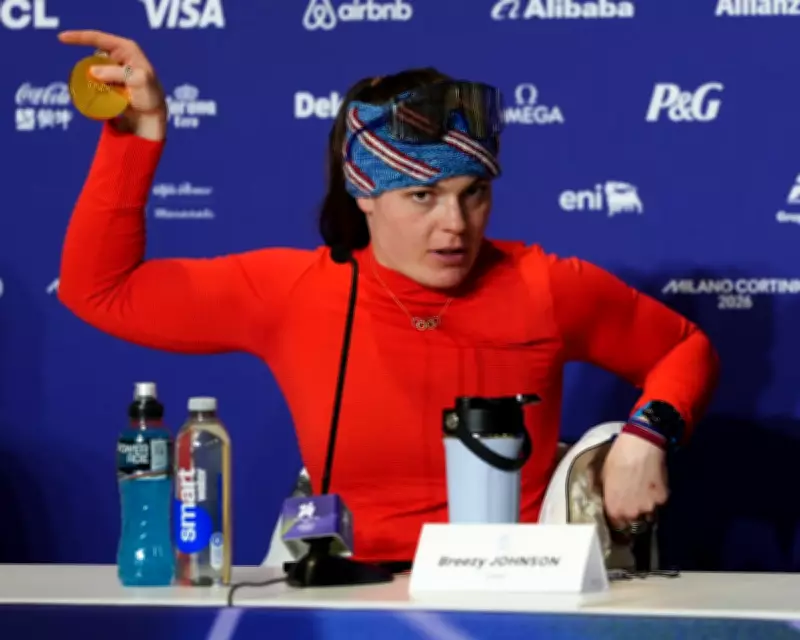
The problem first came to light on Saturday when Breezy Johnson revealed that her gold medal had fallen off its ribbon as she celebrated her victory. Johnson publicly displayed the broken medal to the media, highlighting the extent of the defect. Other athletes quickly came forward with similar complaints, underscoring the widespread nature of the issue.
Swedish cross-country skier Ebba Andersson reported that her medal "fell in the snow and broke in two," while US figure skater Alysa Liu posted on Instagram that the ribbon had detached from her team gold medal. These incidents have sparked significant discussion about the quality control measures in place for such prestigious awards.
Commitment to Quality and Athlete Satisfaction
Cassasa emphasised the organising committee's dedication to upholding the highest standards for the medals, which symbolise the pinnacle of an athlete's Olympic journey. "Milano Cortina 2026 remains fully committed to ensuring that medals, which represent the pinnacle of every athlete's journey, meet the highest standards of quality and care," he affirmed.
Although the precise number of affected medals remains unclear, Cassasa assured that all awards are being rechecked as a precautionary measure. "It is important to stress that, as a precaution, we are rechecking all the medals to make sure that the athletes' joy can really be 360 degrees when they conquer something which is so precious and so important for them, but also for us, the supporters," he added.
This proactive approach aims to restore confidence among competitors and ensure that future medal ceremonies proceed without incident. The organising committee's swift response reflects a broader commitment to athlete welfare and the integrity of the Winter Olympics experience.