Winter Olympics May Shift to January as Climate Change Threatens Future Hosts
Winter Olympics Could Move to January Due to Climate Change

The International Olympic Committee is actively considering a major calendar shift for future Winter Olympic and Paralympic Games, potentially moving the prestigious event to January in response to the escalating challenges posed by climate change. This significant departure from tradition would mark the first time the Winter Games have been staged outside of February since the 1964 Innsbruck Olympics, where all medals have been awarded in that month for over six decades.

Climate Crisis Forces Olympic Rethink

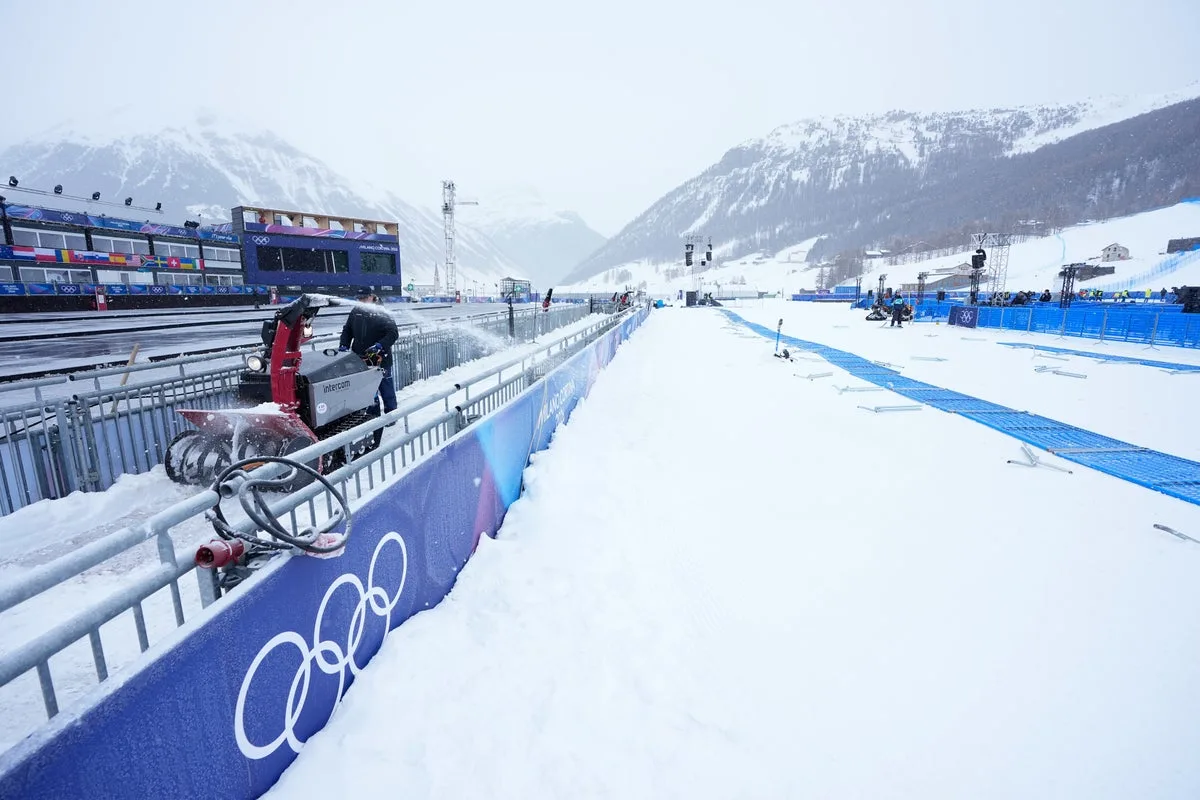
With global temperatures continuing to rise, natural snow is becoming increasingly scarce in traditional winter sports regions, while water availability for essential snowmaking operations is also declining. This dual threat is placing the entire global snow sport industry at serious risk, forcing Olympic officials to reconsider fundamental aspects of how the Games are organised and scheduled.

Stark Predictions for Future Hosting

An alarming IOC study has revealed that by 2040, only ten nations worldwide will possess the necessary climatic conditions to reliably host the snow sports components of the Winter Olympic and Paralympic Games. This dramatic reduction in potential host countries underscores the urgent need for adaptation within the Olympic movement.

The 2022 Beijing Winter Games provided a stark preview of this future, becoming the first Olympics to rely on virtually 100% artificial snow. Organisers deployed an extensive arsenal of snow-making technology, including more than 100 snow generators and 300 snow-making guns working continuously to create suitable competition conditions on the ski slopes.

Potential January Shift and Schedule Conflicts

Karl Stoss, the IOC member overseeing the comprehensive sports programme review, confirmed that moving the Winter Olympics to January is under serious discussion. "Maybe we are also discussing to bring the Winter Olympics a little bit earlier," Stoss told reporters. "To do it in January because it has an implication for the Paralympics as well."

Such a calendar shift would likely create scheduling conflicts with established World Cup races and other premier winter sports events. Additionally, a January Olympics would place the Games in more direct competition with major American sports leagues, including the NFL playoffs and the NBA regular season, potentially affecting broadcast arrangements and global viewership.

Paralympic Games Also Under Review

The proposed changes would necessarily impact the Paralympic Winter Games as well. Stoss suggested one possibility being considered is holding the Paralympics in February while moving the Olympic Games to January. "Maybe the Paralympics will be in February and the other edition will be in January. That would also be a part of our discussion," he explained during the IOC's eve-of-Olympics meeting in Milan.

Stoss, whose home country Austria is a traditional powerhouse in Alpine skiing and ski jumping, highlighted the particular challenges of late-season events. "(March) is very late because the sun is strong enough to melt the snow," he noted, referencing the current scheduling of the Milan Cortina Paralympic Winter Games for March 6-15, 2026.

Broader Olympic Review Underway

This potential calendar adjustment forms part of a wider examination of Olympic Games issues during the first year of Kirsty Coventry's presidency. The IOC has long acknowledged under Coventry's predecessor, Thomas Bach, that climate change presents fundamental challenges for securing future host cities and organising reliable competitions.

The organisation's 100-plus members are scheduled to reconvene in June to make crucial decisions regarding these Olympic reviews, conducted under the "Fit For The Future" programme. These discussions will also address whether to add new sports and events to the upcoming 2030 French Alps Winter Games.

Current scheduling plans see the French Alps edition running from February 1-17, 2030, with the 2034 Utah Winter Games provisionally scheduled for February 10-26. However, these dates may be subject to revision as the climate impact assessment continues to evolve.

The proposed shift to January represents one of the most significant potential changes to the Olympic calendar in generations, reflecting the profound ways in which environmental factors are reshaping global sporting events. As winter conditions become less predictable across traditional host regions, Olympic organisers face increasing pressure to adapt their approach to ensure the future viability of the Winter Games.