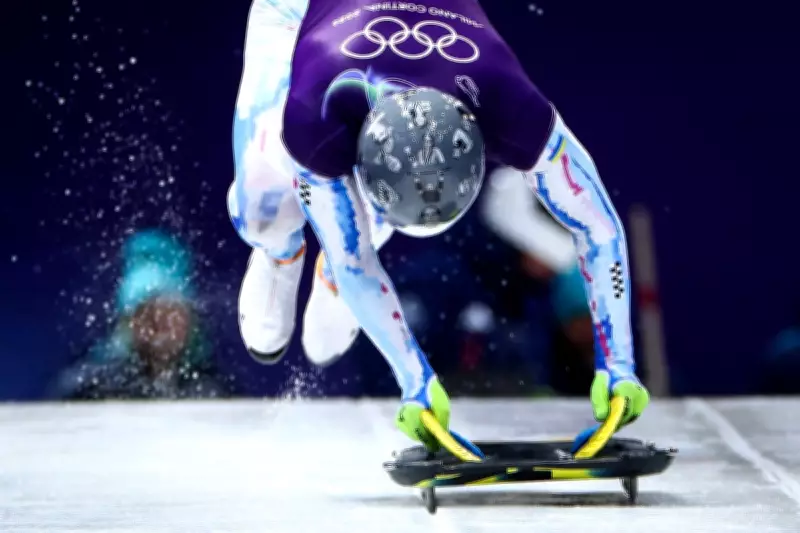
In a poignant and deeply personal act of remembrance, Ukrainian skeleton athlete Vladyslav Heraskevych has made headlines at the Winter Olympics by wearing a helmet adorned with images of compatriots who lost their lives during the ongoing Russia-Ukraine war. Heraskevych, who also serves as Ukraine's flag bearer at the games, revealed that some of the individuals pictured on his helmet were close friends, fulfilling a solemn promise to keep the devastating conflict in the global spotlight.
IOC Review and Historical Context
The International Olympic Committee (IOC) has formally contacted Ukraine's Olympic Committee regarding Heraskevych's helmet, with the situation currently under review. This move highlights the ongoing tension between athlete expression and Olympic regulations, which strictly prohibit political demonstrations at the games.
Rule 50.2 and Past Protests
Under the Olympic Charter's Rule 50.2, political, religious, or racial propaganda is forbidden at Olympic sites. However, past incidents of athlete protests have led to varied outcomes, with some cases resulting in warnings or sanctions, while others have been met with more lenient responses from officials.

Heraskevych's action follows his previous display of a 'No War in Ukraine' sign at the 2022 Beijing Olympics, an act that also defied Olympic rules against political statements. This consistent advocacy underscores his commitment to raising awareness about the war's human toll, even in the face of potential disciplinary measures.
Impact and Reactions
The helmet tribute has sparked widespread discussion among athletes, fans, and officials, drawing attention to the broader issue of how sports can intersect with global conflicts. While some praise Heraskevych for his bravery and dedication to his homeland, others question whether such demonstrations should be allowed in the Olympic arena, given the charter's strict guidelines.
As the IOC continues its review, the outcome could set a precedent for future athlete protests at international sporting events. Heraskevych's stance serves as a powerful reminder of the personal and political dimensions that often accompany elite athletic competition, particularly in times of war and crisis.