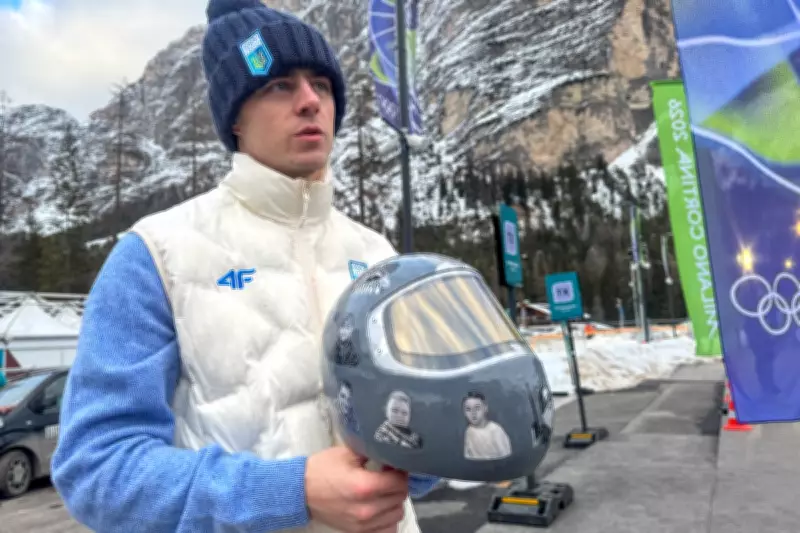
The International Olympic Committee has sparked controversy by prohibiting Ukrainian skeleton athlete Vladyslav Heraskevych from wearing a helmet that pays tribute to compatriots killed in the war with Russia during the Winter Olympics. Heraskevych's helmet features images of Ukrainian athletes who have died since Russia's invasion in 2022, including some of his personal friends, making the ban a deeply personal blow.
Rule 50.2 Cited as Basis for Ban
The IOC justified its decision by citing Rule 50.2 of the Olympic Charter, which explicitly bans political, religious, or racial demonstrations on the field of play. Officials argued that the helmet's design constitutes a political statement, thus violating the longstanding rule aimed at maintaining neutrality in Olympic competitions.
Compromise Offered with Black Armband
In a move to mitigate the situation, the IOC has offered a compromise, allowing Heraskevych to wear a black armband during the skeleton events. However, this gesture has done little to appease the athlete, who views it as an inadequate substitute for his intended tribute.

Heraskevych expressed profound disappointment, labelling the IOC's decision as "unfair treatment" and stating that it "breaks my heart" to see the committee betray the memory of fallen athletes. He emphasised that the helmet was meant to honour friends and fellow sportspeople who lost their lives in the conflict, rather than to make a political point.
Broader Implications for Olympic Protests
This incident highlights ongoing tensions between athletes' desires to express personal or national sentiments and the IOC's strict enforcement of its apolitical stance. It raises questions about how the committee balances its rules with the emotional realities faced by competitors from conflict zones, potentially setting a precedent for future Olympic Games.
As the Winter Olympics proceed, Heraskevych's case continues to draw attention, underscoring the complex interplay between sports, politics, and remembrance in international events.