Ukrainian Skeleton Star Vladyslav Heraskevych Excluded from Winter Olympics Over Helmet Tribute
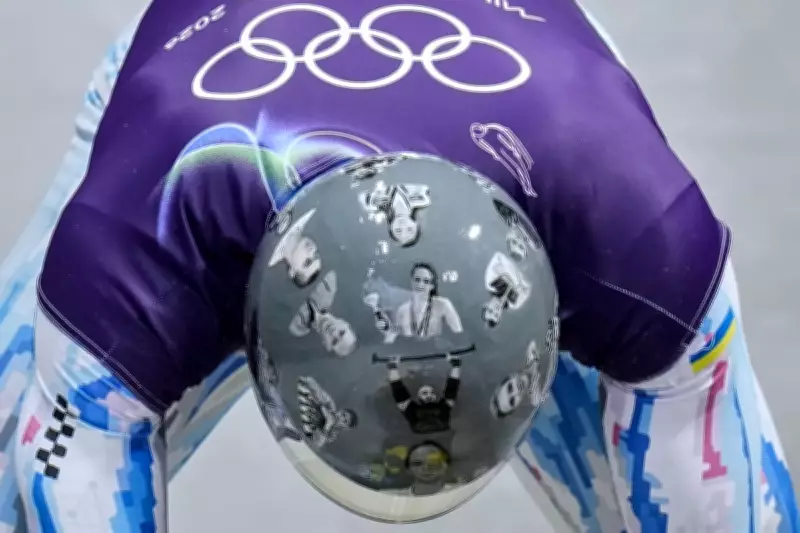
Ukrainian skeleton racer Vladyslav Heraskevych has been officially removed from the Milan Cortina Winter Olympic Games following his refusal to stop wearing a banned tribute helmet. The decision was confirmed on Thursday, 12 February 2026, by the International Olympic Committee, which cited a violation of uniform regulations.
Details of the Controversial Helmet Ban
The helmet in question featured a tribute design that was deemed non-compliant with Olympic rules regarding political or personal statements on competition attire. Heraskevych, a prominent figure in the skeleton racing community, had been wearing the helmet throughout the qualifying rounds and training sessions as a symbolic gesture.
Despite multiple warnings from Olympic officials, the athlete stood firm in his decision to continue using the helmet, leading to his exclusion from the Games. This move has sparked significant debate within the sporting world about the balance between athlete expression and regulatory compliance.

Impact on Ukraine's Olympic Team
Heraskevych's removal represents a notable loss for the Ukrainian Olympic delegation, as he was considered a strong medal contender in the skeleton event. His absence will likely affect the team's overall performance and morale during the Milan Cortina Games.
The incident has also drawn attention to broader issues of athlete rights and the enforcement of uniform policies in international competitions. Many supporters have expressed solidarity with Heraskevych, while others emphasize the importance of adhering to established rules to maintain fairness and order.
Reactions and Future Implications
Reactions to the exclusion have been mixed, with some praising Heraskevych for his principled stance and others criticizing the decision as overly harsh. The Associated Press has curated a photo gallery documenting the events, highlighting the visual narrative of this developing story.
This case may prompt future discussions on revising Olympic regulations to accommodate certain forms of personal expression while preserving the integrity of the Games. For now, Heraskevych's Olympic journey has been cut short, marking a poignant moment in the 2026 Winter Olympics.