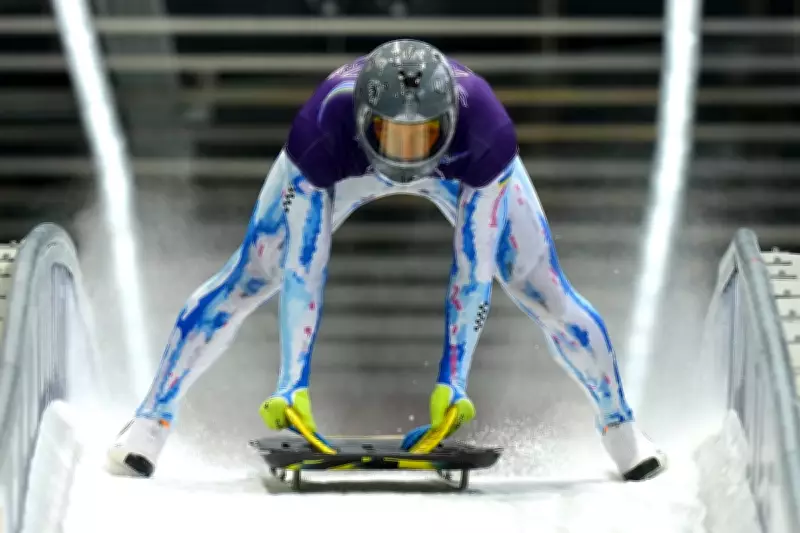
Ukrainian skeleton racer Vladyslav Heraskevych has declared his intention to defy Olympic authorities by competing in a helmet that pays tribute to those killed in the war with Russia, despite an explicit ban from the International Olympic Committee.
Defiance Against IOC Regulations
The IOC has enforced a strict prohibition on the helmet, citing long-standing rules that forbid political statements or demonstrations at the Olympic Games. This regulation is designed to maintain the event's focus on athletic competition and international unity, free from geopolitical tensions.
Heraskevych's Emotional Stand
At a press conference held on Tuesday afternoon, Heraskevych passionately explained his decision, stating he could not "betray" the memory of athletes and others who have perished during the ongoing conflict. He framed his actions as a personal and national duty, rather than a political protest, emphasising the human cost of the war.

The athlete has accused the IOC of "unfair treatment" following their ruling, suggesting that the ban overlooks the profound significance of the tribute. Heraskevych has now firmly insisted that he will race in the banned helmet when the skeleton competition commences on Thursday, setting the stage for a potential confrontation with Olympic officials.
Broader Implications for the Games
This incident highlights the ongoing challenges the IOC faces in navigating the intersection of sports and global politics, particularly in contexts involving active conflicts. The decision could influence how similar cases are handled in future Olympic events, testing the boundaries of the organisation's neutrality policies.
As the Winter Olympics progress, all eyes will be on Heraskevych's participation and the IOC's response, with the outcome potentially impacting athlete expression and diplomatic relations within the sporting world.