The Ukrainian Paralympic team has declared it will boycott the opening ceremony of the upcoming Milano Cortina Paralympics, scheduled for 6 March 2026. This protest action comes in direct response to a controversial decision by the International Paralympic Committee (IPC) to allocate competition slots to Russian and Belarusian athletes, permitting them to participate under their national flags.
IPC Decision Sparks Outrage
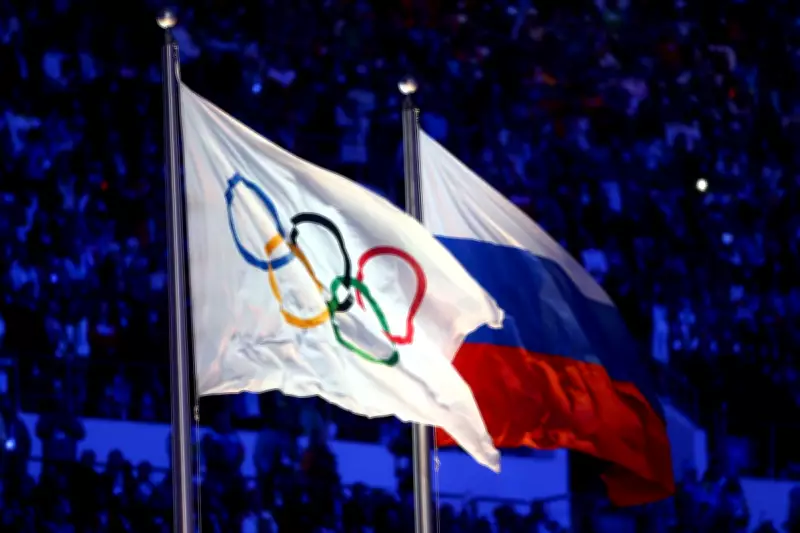
In a move that has ignited significant international debate, the IPC has granted six slots to Russian athletes and four to Belarusian athletes for the Paralympic Games. This allocation allows these competitors to represent their countries openly, with the Russian flag set to be flown at the Paralympics for the first time since 2014. Moreover, it marks the first occasion since Russia's invasion of Ukraine in 2022 that the Russian national anthem could potentially be played at the event.
Historical Context and Implications
The decision represents a notable shift in the IPC's stance, as Russian athletes have been largely excluded from major international sporting events under neutral banners in recent years due to geopolitical tensions and doping scandals. The return of the Russian flag to the Paralympics is seen by many as a symbolic normalization, which Ukraine vehemently opposes given the ongoing conflict.

Host nation Italy has also expressed concerns, with officials urging the IPC to reconsider its ruling on allowing Russian and Belarusian athletes to compete under their national symbols. This adds to the growing chorus of disapproval from various stakeholders within the global sporting community.
Ukrainian Stance and Broader Impact
By boycotting the opening ceremony, Ukraine aims to highlight its protest against what it perceives as an inappropriate reintegration of Russian and Belarusian representation in international sports. This action underscores the deep political divisions that continue to affect athletic competitions, raising questions about the balance between sports diplomacy and geopolitical realities.
The boycott may influence other nations' participation or ceremonial involvement, potentially overshadowing the celebratory nature of the Paralympics' commencement. As the event approaches, all eyes will be on how the IPC addresses these mounting pressures and whether further diplomatic or sporting repercussions will unfold.