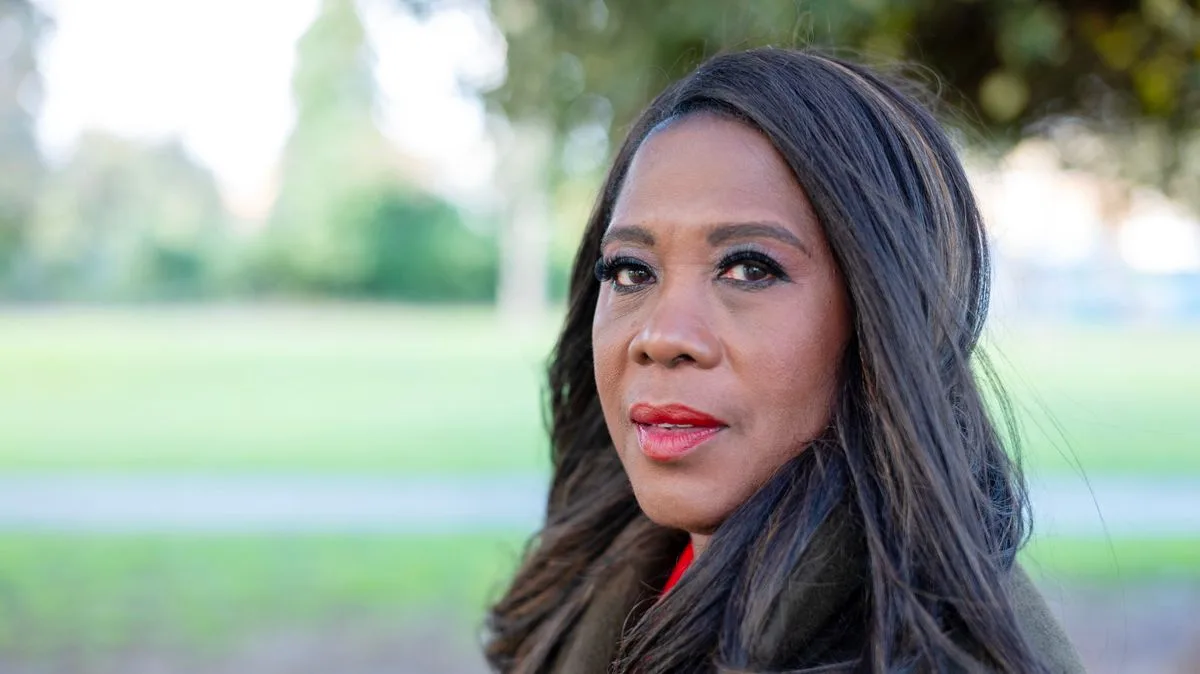
Olympic legend Tessa Sanderson has spoken publicly about her battle with hearing loss, revealing that she began losing her hearing over two decades ago and how “pretending to understand” affected her confidence. The only British athlete to win Olympic gold in a throwing event, Sanderson told the Mirror that struggling to hear conversations “rocked” her confidence, leaving her “terrified I’d ignore someone or freeze on stage”.
Sanderson, who won gold in the javelin at the 1984 Los Angeles Olympics, described experiencing hearing loss from 2001. She said: “I began to struggle with conversations and I hoped I had responded correctly to what was said. I was desperate not to be caught out. I became embarrassed and far less confident. That was totally alien to me.”
She had hearing aids fitted in both ears in 2016, but they did not work for her initially. “I was still struggling with conversations,” she said. “At big events with crowds, I could barely hear the questions I was being asked. I was terrified I’d ignore someone or freeze on stage. It took a real toll.”
Sanderson, 70, is the first British black woman to win Olympic gold and the last female Briton to win a field event at the Games. She lives in east London with her husband, three-time Olympic judo competitor Densign White, and their adopted twins. Despite her prominent roles as a sports broadcaster and motivational speaker, she masked her deteriorating hearing for years.
She is now urging others with hearing loss not to withdraw and to persevere with hearing aids. After struggling with “hissing” sounds and nearly abandoning her devices, she eventually bought a new pair with proper guidance and support. “They’ve been life-changing,” she said. “No more missing conversations or pretending.”