Team GB Launch Urgent Appeal Over 'Illegal' Winter Olympics Equipment
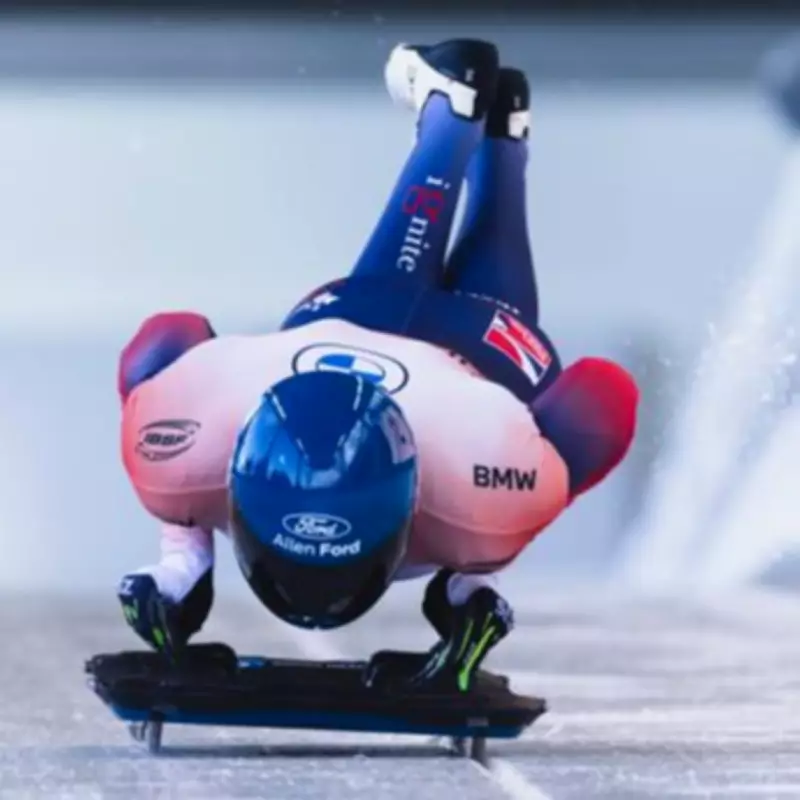
Team GB's skeleton medal ambitions have been thrown into turmoil just days before the Winter Olympics begin, with star athletes Matt Weston and Marcus Wyatt facing a critical equipment ban. The International Bobsleigh and Skeleton Federation (IBSF) has ruled their innovative helmets non-compliant, dealing a severe blow to Britain's top medal prospects in Italy.
Regulatory Clash Over Cutting-Edge Helmet Design
The controversy centres on specialised helmets that were tested in San Moritz last week, only for the IBSF to declare them in breach of regulations on 29 January due to their distinctive shape. With the skeleton competition scheduled to commence on Thursday, 12 February, Team GB has taken the extraordinary step of lodging an immediate appeal with the Court of Arbitration for Sport (CAS).
The hearing is set for Thursday, 5 February, with a verdict expected the following day – creating an incredibly tight timeline that leaves Weston and Wyatt's Olympic preparations in limbo. Should the appeal fail, the duo will be forced to revert to their previous helmets, potentially compromising their competitive edge.

Safety Versus Regulation: The Core Argument
A statement from the Court of Arbitration confirmed: "The case concerns a decision by the IBSF that the safety helmet for Team GB for Skeleton does not comply with the IBSF Skeleton rules." The appeal, filed on 2 February 2026, directly challenges the IBSF's 29 January ruling that the helmet's shape violates competition regulations.
The British Bobsleigh and Skeleton Association (BBSA), which funded the helmet's design and manufacture, maintains that the equipment meets rigorous safety standards. In their submission to CAS, they argue compellingly that:
- The Team GB helmet is fully compliant with competition rules
- The design is safe for use in the Olympic skeleton competition
- The innovative helmet actually provides superior protection for athletes' health and safety compared to other models currently in use
Medal Favourites Facing Unexpected Hurdle
This equipment controversy arrives at the worst possible moment for Weston and Wyatt, who have dominated the skeleton circuit throughout the season. The pair have been unstoppable, claiming victory in all seven World Cup races between them and establishing themselves as clear favourites for Olympic medals.
Weston, who secured her second World Championship title last year, finished a remarkable 1.9 seconds ahead of teammate Wyatt in that competition. Their exceptional form makes this regulatory setback particularly frustrating for British Olympic hopes.
Britain's Storied Skeleton Tradition
Skeleton represents one of Team GB's most successful winter sports, with British athletes achieving podium finishes at every Games since the sport's reintroduction in 2002 – with the sole exception of 2022. The nation's recent skeleton success includes:
- Lizzy Yarnold defending her Olympic title at PyeongChang 2018
- Laura Deas joining Yarnold on the podium in 2018
- Dom Parsons winning bronze in the men's event
This rich history of achievement adds significant pressure to the current situation, with Weston and Wyatt carrying the weight of expectation for continued British success in the sport.
The Milano Cortina 2026 Winter Olympic Games run from 6-22 February, with skeleton events scheduled for 12-13 February. As the clock ticks down to competition, the entire British skeleton programme awaits a decision that could dramatically impact their medal prospects at these crucial Winter Games.