Paralympic Opening Ceremony's Powerful Message of Inclusion Jars with Russia's Controversial Return
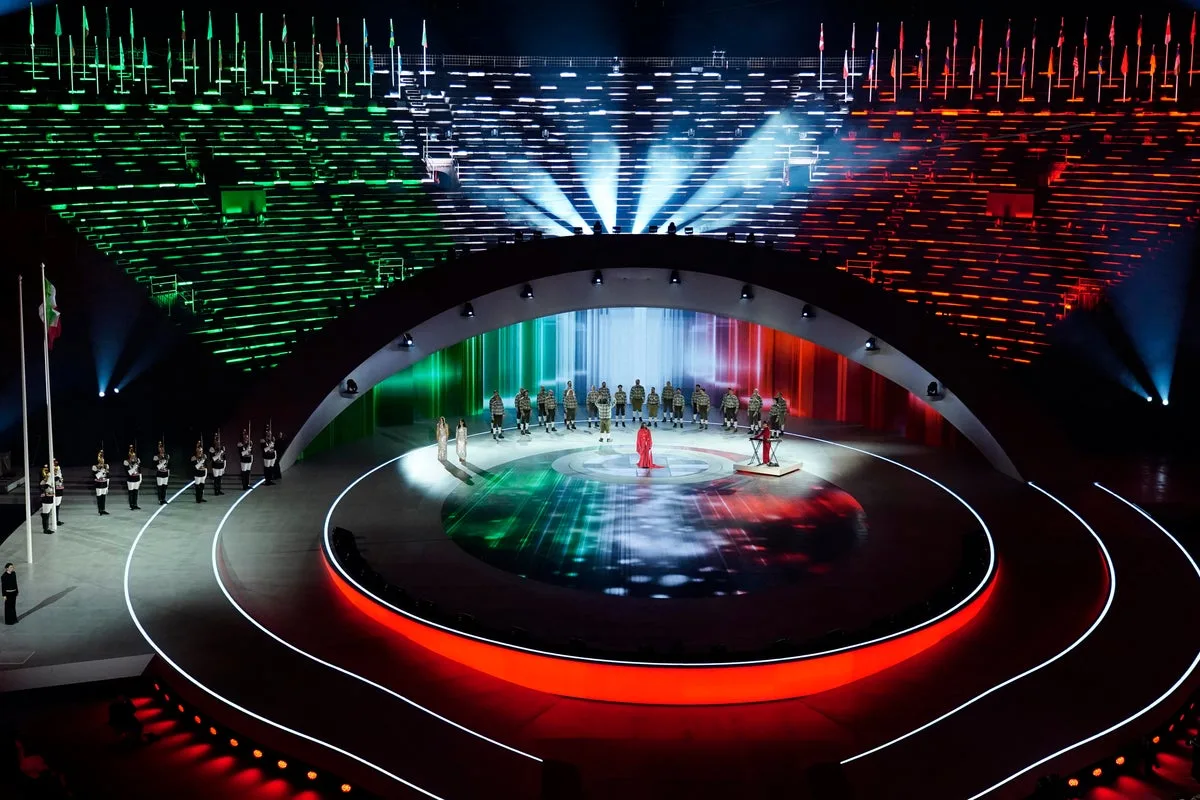
The Winter Paralympics opening ceremony in Verona aimed to celebrate inclusion and accessibility, yet the athletes absent from the event spoke volumes more than any visual spectacle could convey. A heartbeat projection illuminated the historic Arena di Verona, symbolising humanity, but this gesture felt starkly antithetical to the International Paralympic Committee's contentious decision to permit Russia and Belarus to participate under their national flags.
Political Boycotts Overshadow Ceremonial Celebrations
As Russian and Belarussian athletes marched into the 2,000-year-old amphitheatre behind their flags for the first time since 2014, seven nations chose to boycott the ceremony on political grounds. Ukraine, subjected to an ongoing invasion by Russia since 2022, led the boycott, joined by the Czech Republic, Estonia, Finland, Latvia, Lithuania, and Poland. Great Britain further demonstrated its disagreement by abstaining from sending officials to both the opening and closing ceremonies.
These actions directly contradicted IPC President Andrew Parsons' declaration that the Games were free from politics. Parsons acknowledged global difficulties but insisted the Paralympics should be a sanctuary from such conflicts, stating, "In a world where some countries are better known by the names of their leaders, I prefer to know countries by the names of their athletes." However, he failed to justify what had changed since his previous comments on the Russian invasion of Ukraine to now welcome these nations back.
Ceremony Highlights Accessibility and Societal Barriers
The ceremony itself was deeply meaningful, with performances placing disability at the forefront to ensure genuine representation from the outset. Divided into three parts—'vibes', 'spaces', and 'loves'—it explored themes of identity and societal barriers. The 'spaces' segment, in particular, used closed doors and walls to symbolise the challenges imposed by society on individuals with disabilities.
Held in the Roman amphitheatre, the event showcased futuristic optical illusions and lighting against ancient architecture, creating an impressive visual contrast. The venue was intentionally selected to demonstrate full accessibility without permanent alterations, proving that if a 2,000-year-old site can be made inclusive, there is no excuse for modern venues to lag behind.
Logistical and Global Challenges Undermine Inclusivity
Despite these efforts, the ceremony unintentionally revealed that true inclusion extends beyond physical accommodations. The Arena di Verona, while spectacular, is isolated from athlete clusters, leading many competitors to miss the event due to upcoming competitions. The entire ParalympicsGB squad was absent, with flagbearers Scott Meenagh and Menna Fitzpatrick located elsewhere in northern Italy, leaving volunteers to parade with the Union Jack without athletes.
Further absences underscored global barriers: Iran's debut at the Winter Paralympics was marred by the withdrawal of para cross-country skier Aboulfazl Khatibi Mianaei due to unsafe travel conditions from the Middle East. These gaps served as a sombre reminder that, despite promoting inclusion, the Paralympics cannot escape the complex geopolitical realities that affect participation.
Sport's Enduring Power Amidst Political Tensions
As the ceremony concluded with the 'loves' theme, featuring a montage of Italian crowds cheering the torch relay, it reaffirmed sport's ability to foster unity and inclusion. While the event proved inseparable from politics, the Italians demonstrated that powerful messages of solidarity can still resonate, even when the world may be reluctant to listen. The Winter Paralympics opening ceremony thus stood as a poignant testament to both the ideals of inclusivity and the unavoidable challenges of implementing them in a divided global landscape.