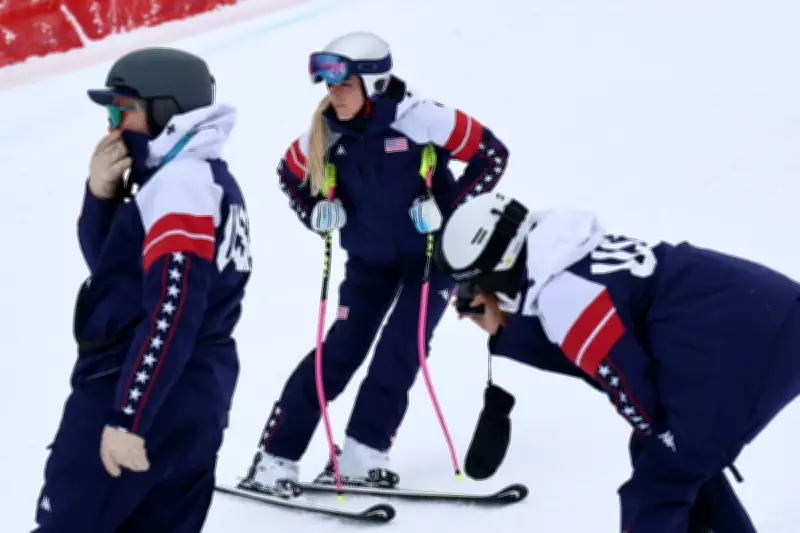
Senior officials from the International Olympic Committee and the International Ski and Snowboard Federation have issued a strong defence of Lindsey Vonn's controversial decision to compete in the Winter Olympics downhill event with a ruptured anterior cruciate ligament. The American skier suffered a severe crash during her run, resulting in a leg fracture that necessitated an airlift to hospital for urgent medical treatment.
Vonn's High-Risk Comeback Ends in Hospitalisation
Lindsey Vonn, the celebrated alpine skier, made a dramatic and perilous return to Olympic competition despite carrying a significant pre-existing injury. Medical assessments confirmed she had a fully ruptured ACL prior to the event, a condition that typically sidelines athletes for extended periods. During her downhill run, Vonn experienced a catastrophic crash that compounded her injuries, fracturing her leg and requiring immediate emergency evacuation from the course via helicopter.
Official Response Characterises Incident as Freak Accident
Olympic authorities have characterised Vonn's crash as an extraordinarily unlucky occurrence, describing it as a "one in 1000" accident. Officials emphasised that such incidents are statistically rare in elite skiing, even when athletes compete with injuries. The defence from senior figures has focused on Vonn's autonomy as an elite competitor, asserting her right to make informed decisions about her participation based on her own risk assessment and medical advice.

Debate Intensifies Over Athlete Safety and Autonomy
The decision has ignited a fierce debate among sports observers, medical professionals, and fans regarding the balance between athlete safety and personal autonomy in high-risk sports. Critics argue that competing with a severe ligament injury unnecessarily endangered Vonn's long-term health, while supporters highlight her experience and right to determine her own competitive path. Fellow skiers have reportedly voiced support for Vonn's choice, citing the culture of resilience and determination prevalent in elite winter sports.
This incident raises broader questions about injury protocols and risk management in Olympic competitions, particularly in disciplines like downhill skiing where speeds are extreme and margins for error are minimal. The official defence underscores the complex interplay between athlete agency, medical oversight, and the inherent dangers of winter sports at the highest level.