Spanish Figure Skater's Minions Olympic Ambition Thwarted by Copyright Dispute
In a disappointing turn of events just days before the Winter Olympics, Spanish figure skater Tomas-Llorenc Guarino Sabate has announced he will not be permitted to perform his signature routine set to music from the popular Minions animated film series at the upcoming Games in Milano-Cortina.
A Season-Long Tribute Blocked at the Final Hurdle
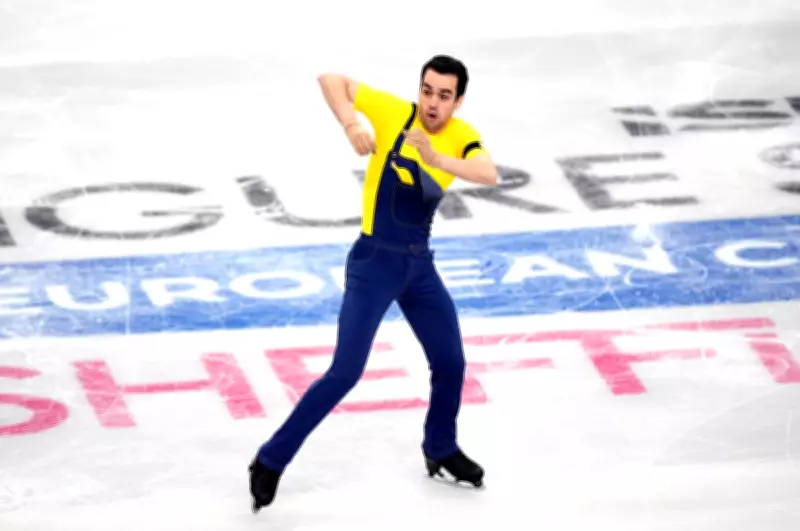
The 26-year-old six-time Spanish national champion, who is set to make his Olympic debut, has captivated audiences throughout the 2025-26 season with his playful performances. Sabate has consistently skated to tracks from the Minions franchise while donning a distinctive yellow t-shirt and blue overalls, meticulously recreating the beloved characters' iconic look on the ice.
"Unfortunately, just days before the Olympic inauguration, I was informed that I am no longer permitted to use this program due to copyright clearance issues," Sabate revealed in a heartfelt social media post. He expressed profound disappointment at receiving this news last Friday, so close to what he describes as "the biggest competition of my life."

Procedural Efforts and Last-Minute Setback
Sabate explained that he had diligently followed all required protocols, submitting the music for clearance through the International Skating Union's ClicknClear system back in August. The sudden reversal less than a week before the Olympics commence has left the skater and his fans reeling.
Addressing his supporters directly, Sabate stated: "To my fans: I wish I had better news, but I'm grateful beyond words for your support this season. I promise to step on the ice with everything I have and deliver programs that both you and I can be proud of." He vowed to face the challenge head-on and make the best of the difficult situation.
The Creative Vision Behind the Routine
The skater selected the Minions music, which is owned by Illumination - a subsidiary of Universal Pictures - with a specific artistic intention. Sabate aimed to inject joy and a lighthearted, playful style into his performances, demonstrating that "skating as a male Olympic figure skater can be fun." This approach has resonated strongly with audiences, transforming him into a crowd favourite throughout the competitive season.
His Minions-themed routine earned him a rousing reception at the recent European Figure Skating Championships in Sheffield, where he ultimately finished in 18th position. The unique combination of popular culture and athletic prowess had become a defining feature of his skating identity.
Contingency Plans and Administrative Complexities
With the men's figure skating event scheduled to begin in Milan on February 10th, Sabate may now be forced to revert to a previous routine. Should clearance not be granted in time, he is likely to perform a short program set to a mix of music by the Bee Gees, which was his chosen routine during the 2024-25 season.
This substitution presents a slight complication, as Sabate also performs to songs by the legendary pop group in his free skate - the second segment of his competitive program. The potential for musical repetition across both programs could affect the variety and impact of his Olympic presentation.
Official Response from Governing Bodies
The International Skating Union has acknowledged the situation, issuing a statement that reads: "As soon as we have more details on this specific case, we will share them as appropriate. Copyright clearances can represent a challenge for all artistic sports."
The ISU further clarified that while they "do not have a contractual relationship with ClicknClear," they continue to "work collaboratively with rights clearance stakeholders to ensure that thrilling performances can be accompanied by stirring music." This incident highlights the ongoing challenges athletes face in navigating intellectual property regulations within artistic sports.
The development serves as a poignant reminder of the complex intersection between athletic performance, artistic expression, and commercial copyright protections at the highest levels of international competition.