Milan's Olympic Opening at San Siro Bridges Past and Future Amid Tensions
Milan's Olympic Opening at San Siro Bridges Past and Future

Milan's Olympic Opening at San Siro Bridges Past and Future Amid Tensions

To stage an Olympic opening ceremony at San Siro is to place Milan's future in direct conversation with its storied past. As the Olympic torch reached Milan on Thursday, anticipation rippled through the city in waves, both jubilant and uneasy. Pride at hosting the Winter Olympics sits alongside quieter anxieties about rising costs, tightened security, and geopolitical tension.

A City of Spectacle and Sport

Milan is no stranger to spectacle. Fashion Week routinely transforms the city into a runway for the world, while the Salone del Mobile design fair floods hotels each spring. Hosting the Games is meant to be a natural extension of that international identity – proof the city can blend culture, commerce, and sport on the grandest stage. However, the Olympics carry a different type of emotional weight, promising a sense that the world is paying attention for reasons larger than points or scorelines.

Everyone expects something deeper than an impeccably choreographed global event; they want meaning. That expectation – part hope, part burden – rests heavily on the opening ceremony. Italian pair skater Rebecca Ghilardi noted the muted atmosphere in Milan ahead of the showpiece, saying, "It's a bit early; the Olympic spirit among us will grow once things start in earnest." Her ice partner, Filippo Ambrosini, added they could not wait for the "warm Italian public."

San Siro's Final Global Showcase

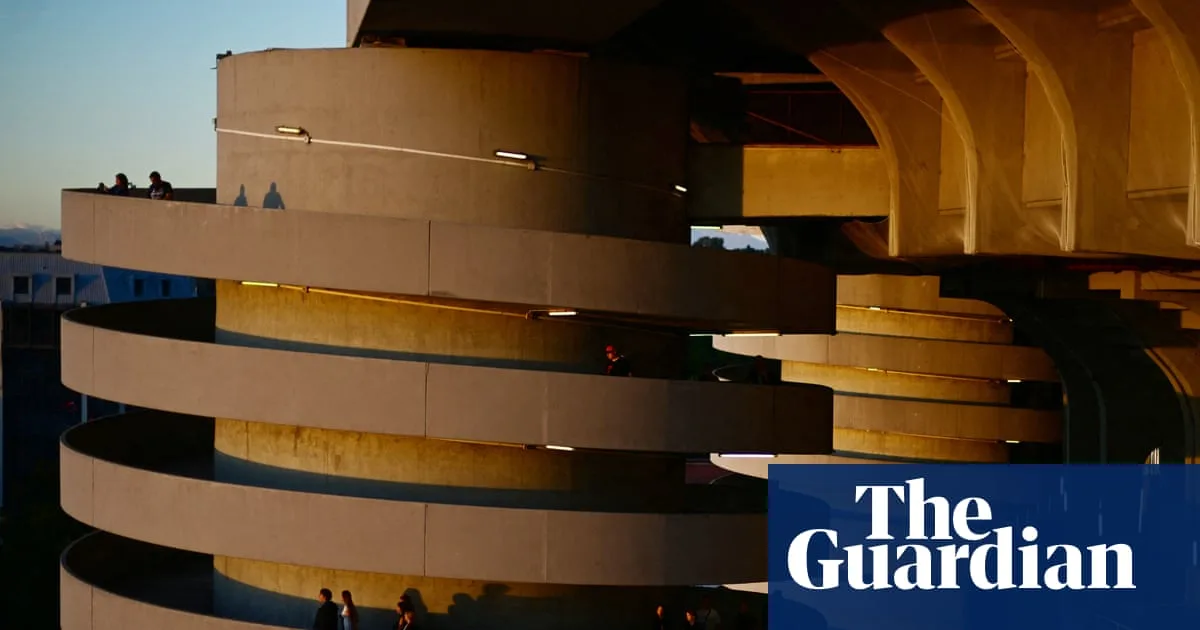
Friday night's ceremony will serve as the final global showcase for the storied San Siro, the 99-year-old cathedral of Italian football. Home to Inter and Milan, the stadium is scheduled to be demolished and replaced in time for Italy's co-hosting of the 2032 European Championship. Generations of supporters have passed through its gates, and countless careers have been defined on its pitch. To stage an Olympic opening here is to place Milan's future in direct conversation with its past, offering a fitting late note to this iconic venue.

Performers include Mariah Carey, Laura Pausini, Lang Lang, Ghali, and Andrea Bocelli, who remarked, "I don't think what matters most is the emotion I can leave behind, but rather the emotion that the Olympic Games and sport itself can create. Sport in itself embodies extremely important values, values that I believe should take root in the hearts of everyone, young and old alike."

Challenges and Security Concerns

Seats at San Siro begin in the hundreds of euros and climb beyond €2,000, placing them out of reach for many locals. Organisers emphasised that more affordable tickets exist across the broader Olympic programme, particularly for early-round competitions and events outside the city centre, but the reality is they are difficult to come by. Across Milan, giant public screens have appeared in plazas ready to host those without tickets, with fan zones promising music, food, and late-night celebrations designed to pull the Games beyond ticketed venues.

Security, inevitably, is tight. Police patrols are more visible, transit hubs operate under heightened monitoring, and concrete barriers line certain approach roads to major sites. The US vice-president, JD Vance, and secretary of state, Marco Rubio, are expected to attend the opening ceremony, amid concerns that spectators could jeer them – and the American team – in response to policies associated with Donald Trump's administration. Asked whether she feared boos directed at Team USA, the IOC president, Kirsty Coventry, said diplomatically, "I hope that the opening ceremony is seen by everyone as an opportunity to be respectful of each other."

Historical Reassurance and Olympic Spirit

If the city feels suspended between excitement and hesitation, history offers reassurance. Few Olympics begin without tension; cost overruns, construction delays, and public scepticism have preceded many of the most beloved Games. What lingers in memory is rarely the anxiety beforehand, but the images that follow: a race decided by inches, a medal won against expectation, or a moment of shared silence or joy that briefly shrinks the world.

Opening ceremonies often promise more than the following weeks can sustain, yet they also possess a rare power to reset perception in a single evening. Movement and flame can soften criticism, at least temporarily. By Friday night, when the cauldron burns against the winter sky, Milan may feel different even to itself. The inconveniences will not vanish, and the questions will remain, but the Games will no longer be abstract – they will be officially under way.

Sports Updates and Highlights

In other Olympic news, the women's ice hockey match between defending champions Canada and Finland was postponed on Thursday after a bout of illness swept through the Finnish camp, with 13 players either quarantined or sick with norovirus. The Group A opener will be played on 12 February. Meanwhile, the US stormed to a 5-1 defeat of the Czech Republic, while Sweden and Italy ran riot in 4-1 wins against Germany and France.

Great Britain repelled a tough Estonia challenge to maintain their winning start in mixed doubles curling, with Bruce Mouat and Jennifer Dodds securing a 10-5 victory. In another match, Jocelyn Peterman and Brett Gallant's big five-point first end made all the difference in Canada's 7-2 win against hosts and defending gold medallists Italy, ending Stefania Constantini and Amos Mosaner's 12-game winning streak in Olympic competition.

As the action continues, the focus remains on the historic opening at San Siro, where Milan's past and future converge in a celebration of sport and global unity.