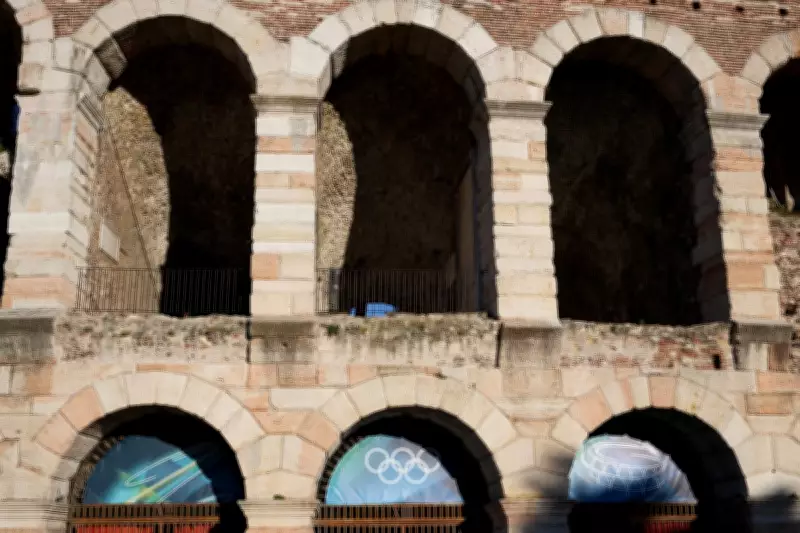
The Milan Cortina Winter Olympics are set to conclude with a spectacular closing ceremony inside the historic Verona Arena, marking the end of the most geographically dispersed Winter Games in Olympic history. This event will bring together athletes and spectators for a final celebration before the Olympic flag is officially handed over to France, the next host nation.
A Grand Finale in an Ancient Setting
Organizers have chosen the Verona Arena, a first-century Roman amphitheater originally used for gladiator battles and exotic animal hunts, as the venue for the closing ceremony. This stone monument provides an intimate yet majestic backdrop, contrasting with the opening ceremony held at Milan's San Siro stadium, which attracted over 60,000 attendees. Approximately 12,000 spectators are expected to join around 1,500 Olympians, representing just over half of the competitors, for this 2½-hour event.
Celebrating Italian Culture and Achievements
The ceremony will showcase a rich blend of Italian music and dance, honoring both classic and contemporary traditions. Highlights include performances by internationally acclaimed ballet dancer Roberto Bolle, popular singer Achille Lauro, and DJ Gaby Ponte. A special tribute will be paid to Italian lyric opera, recognized by UNESCO as a global cultural treasure, reflecting the arena's summer opera festival heritage.

Athletes will parade into the arena en masse behind flag bearers from each of the 92 participating nations. Notable bearers include biathlete Lisa Vittozzi and speedskater Davide Ghiotto for host Italy, along with hockey player Hilary Knight and ice dancer Evan Bates for the United States, all of whom are gold medal winners.
Key Moments and International Transition
One of the pivotal moments will be the handover of the Olympic flag to France, with the French flag raised alongside those of Italy and Greece. This ceremony is overseen by International Olympic Committee President Kirsty Coventry, a two-time Olympic swimming champion, and Italian Prime Minister Giorgia Meloni, marking Coventry's first Games as president.
A Model for Future Olympic Games
The Milan Cortina Games spanned an extensive area of 22,000 square kilometers, incorporating venues from Milan to the Austrian and Swiss borders. This spread-out model, designed to avoid the costs of constructing new facilities, will influence future events, such as the 2030 Winter Games in the French Alps, which will feature locations in the Alps and Nice, with speedskating held at an undecided international venue.
The closing will see the Olympic flames extinguished at the dual cauldrons in Milan and Cortina, viewed via video link. In lieu of fireworks, which are prohibited in Verona to protect local wildlife, a light show will illuminate the arena. Over 17 days, the Games hosted 116 medal events across eight sports and 16 disciplines, including the debut of ski mountaineering.
Looking Ahead to the Paralympics
Following the Olympics, the Milan Cortina Paralympics will commence with an opening ceremony also at the Verona Arena on March 6, running until March 15. This continuation underscores the venue's role in celebrating athletic excellence and cultural heritage throughout the winter sports season.