Kirsty Muir's Olympic Heartbreak After Fourth Place Slopestyle Finish
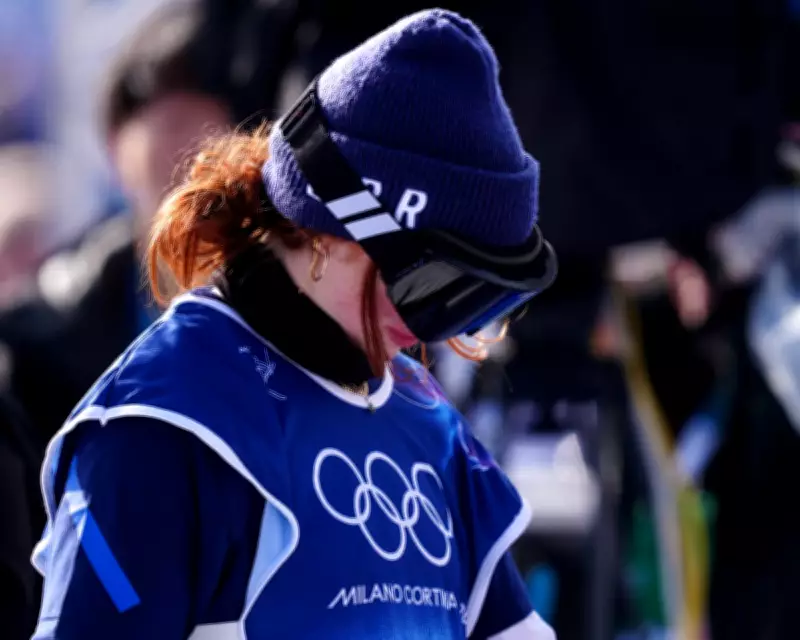
Great Britain's Kirsty Muir was left in tears and struggling to comprehend the cruel nature of her fourth-place finish in the women's freeski slopestyle final at the Winter Olympics. The 21-year-old star, who had entered the competition as a strong medal favourite, missed out on bronze by a mere 0.41 points in what she described as "the toughest place to be" at the Games.
Emotional Aftermath of a Narrow Defeat
Long after the competition concluded, Muir remained visibly distraught, telling reporters through sobs: "I'll be proud of myself in a minute, but I'm in a bit of a hole right now." The Scottish skier found some comfort in her family's embrace, though she admitted their tight hugs made her feel "a bit claustrophobic" amidst the emotional turmoil.
"It was lovely to see them and know they are so proud of me, no matter what," Muir said as tears flowed once more. The fourth-place finish represents what many consider the most painful position at the Olympics - so close to the podium yet ultimately missing out on a medal.

High Expectations and Crucial Mistakes
Muir entered the final with considerable momentum, having won the same event at the X Games just two weeks earlier with an impressive score of 93.66. She had qualified third for the Olympic final, positioning herself as a genuine contender for a medal. However, the competition unfolded differently than anticipated.
Swiss athlete Mathilde Gremaud successfully defended her Olympic title with 86.96 points, while China's Eileen Gu secured silver with 86.48 points, repeating her second-place finish from Beijing 2022. Muir knew bronze was within reach despite not performing at her absolute best.
The Three-Run Drama Unfolds
In slopestyle competition, athletes complete three runs featuring rail sections followed by three major tricks, with only their highest score counting toward the final result. Muir's journey through these runs proved particularly challenging:
- First run: Muir fell, putting immediate pressure on her remaining attempts
- Second run: She made a minor mistake that left her frustrated with herself
- Third run: Knowing she needed to beat Megan Oldham's 76.46 to reach the podium
Muir's final attempt began promisingly with solid rail performance and a perfectly executed first trick. However, a wobble on her second jump meant she needed absolute perfection on her final element - a demanding double cork 1440. She nailed the difficult maneuver, and the reaction from the British team suggested it might be enough for bronze.
The Agonising Wait and Final Result
After what felt like an eternity, the judges revealed Muir's score: 76.05 points - just 0.41 points shy of Oldham's bronze-medal performance. "I'm obviously a bit sad," Muir admitted afterward. "It's just a tough place to be, fourth."
The British skier explained her tactical decision during that fateful run: "On the second jump, I was trying for a mute grab in my double just because it makes it a little bit harder. I was really pushing for that extra boost that might give me. And today it slipped away from me."
Faced with this setback, Muir adjusted her approach: "So I went back to safety to just get a run down and get my 14 in the last jump, because that's one of my biggest tricks."
Contrasting Emotions on the Podium
While Muir processed her disappointment, Canadian skier Megan Oldham celebrated her surprise bronze medal with uncontainable joy. "I can't even believe it, it's crazy," Oldham exclaimed. "I've been dreaming about this for so long. I had a concussion two months ago and wasn't really sure if I'd be able to ski."
The contrast between Oldham's elation and Muir's devastation could hardly have been more pronounced, highlighting the fine margins that separate Olympic glory from heartbreak.
Looking Ahead to Big Air Competition
Muir will have another opportunity to medal when she competes in the Big Air event next week, where she finished fifth at the Beijing Games. However, this particular defeat has impacted her more profoundly than her previous Olympic experience.

"It feels completely different from 2022 because the last time I was 17, I put the tricks down to come fifth, the best I'd ever done them," she reflected. "I was so proud of myself. It's hard to say how I'm feeling right now. I've got a lot to process."
As the Winter Olympics continue, Muir's heartbreaking near-miss serves as a poignant reminder of the incredible pressure and emotional intensity that defines elite athletic competition at the highest level.