The International Olympic Committee (IOC) has made a dramatic policy reversal, now banning transgender women and athletes with differences in sex development (DSD) from competing in the female category at all future Olympic Games. This marks a stark contrast to its 2021 framework, which stated that transgender women should not be deemed to have an unfair advantage.
The new policy, detailed in a 10-page document, states that the female category must be protected for fairness and safety reasons. It introduces SRY screening—a sex test using saliva or a cheek-swab—to determine biological sex. The decision follows growing pressure from athletes, scientific evidence, and a shift in political climate.
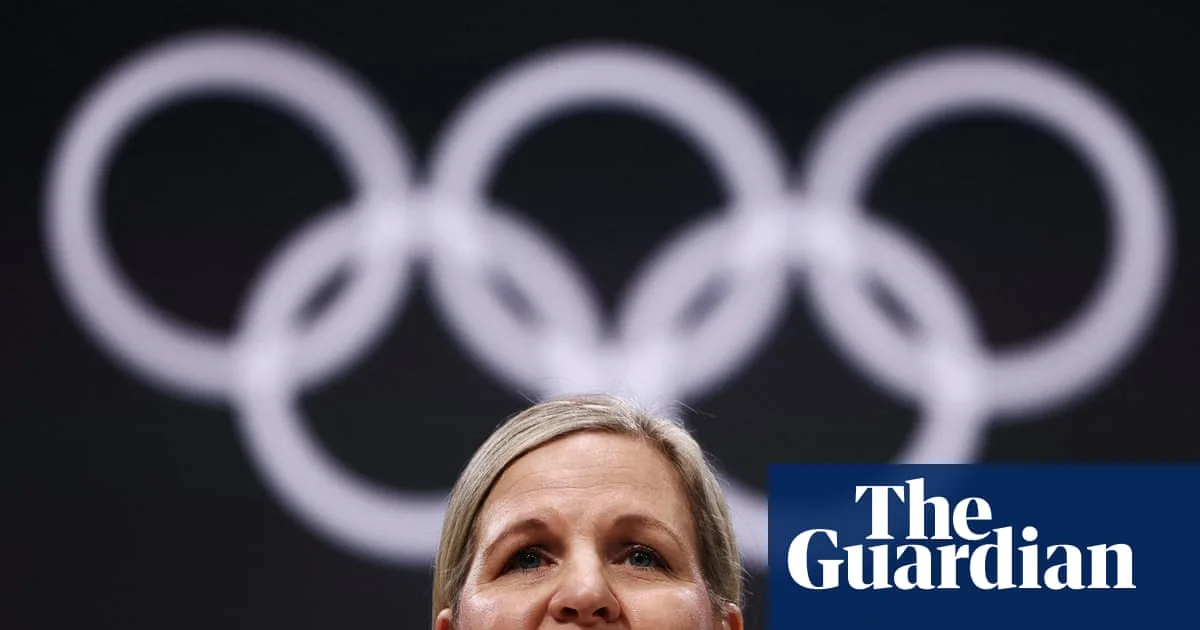
Key factors behind the U-turn include the controversy surrounding Algerian boxer Imane Khelif at the Paris 2024 Olympics, where questions were raised about her DSD status. IOC executive director Christophe Dubi admitted the situation “would be addressed.” Additionally, the election of Kirsty Coventry as IOC president in March 2025, who promised to protect the female category, accelerated the change.
An IOC survey of 1,100 athletes, mostly female Olympians, found strong consensus for clear, science-based eligibility rules. Scientific studies cited by the IOC show that males retain a performance advantage of 10-12% in most running and swimming events, and over 100% in explosive power sports, even after testosterone suppression. This advantage, gained through male puberty, is largely retained.
Dr Jane Thornton, appointed as IOC director of health, medicine and science in 2024, played a key role in the policy shift. The new rules have sparked both anger and joy among various groups, but the IOC maintains they are necessary to ensure fairness and safety in women's sports.