IOC Official Confirms Lindsey Vonn's Team Made Olympic Participation Decision
International Olympic Committee sports director Pierre Ducrey has definitively clarified that the responsibility for Lindsey Vonn's participation in the Milan Cortina Winter Olympics rested entirely with the skiing legend and her support team. The 41-year-old American skier's dramatic crash during her downhill event has sparked intense debate about athlete safety and decision-making protocols in elite sports.
The Fateful Crash That Ended Vonn's Olympic Campaign
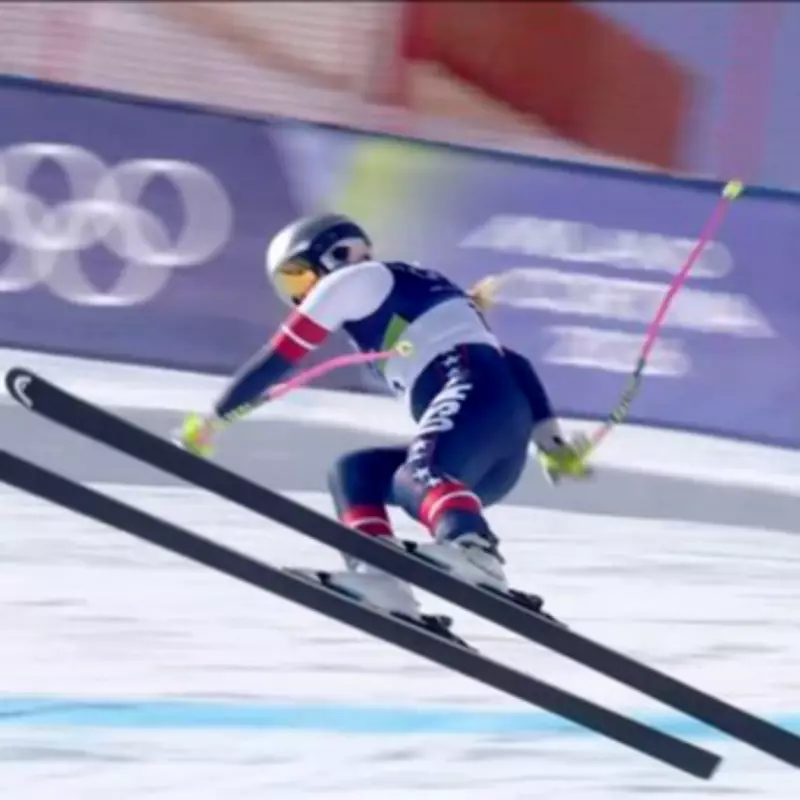
Just thirteen seconds into her downhill skiing run at the Milan Cortina 2026 Winter Olympics, Lindsey Vonn collided with a slalom gate and tumbled violently down the slope. The incident occurred fifteen years after her triumphant 2010 Olympic victory, marking a devastating conclusion to what many had hoped would be a remarkable comeback story. Emergency services airlifted Vonn from the course to a nearby hospital where she immediately underwent surgery for a fractured left leg.
Medical reports indicate Vonn may require additional surgical procedures before being discharged from medical care, according to information from France 24. Despite the severity of her injuries, Vonn maintains her position at the top of the World Cup standings, though the Milan Cortina incident will likely end her downhill season prematurely with two months of competition remaining.

Pre-Olympic Injury and the Decision to Compete
The background to this dramatic Olympic moment involves a significant pre-competition injury. Shortly before the Winter Games commenced in Italy, Vonn suffered a complete tear of her Anterior Cruciate Ligament during a World Cup race. Despite this severe knee injury, the skiing icon remained determined to compete, earning widespread admiration for her courage and resilience.
Pierre Ducrey addressed the situation directly, stating: "She was able to train and made the choice with the excellent team that she has to take part...this decision was really hers and her team to take. She made the decision and unfortunately it led to the injury." The IOC director deliberately refrained from commenting on whether Vonn should have competed, instead emphasizing the autonomy of athletes in such decisions.
Unified Position from International Sports Authorities
Ducrey's assessment aligns perfectly with the position expressed by Johan Eliasch, president of the International Ski Federation. When questioned about athlete responsibility in similar circumstances, Eliasch responded: "This has to be decided by the individual athlete. What is also important for people to understand is that the accident that she had yesterday, she was incredibly unlucky, one in a thousand. This is something which is part of ski racing and it's a dangerous sport."
Prior to the Olympic competition, Vonn's coach Aksel Lund Svindal had publicly expressed confidence in her physical readiness to compete for medals despite the ACL injury. During Saturday's abbreviated training session, Vonn had demonstrated her competitive capability by posting the third fastest time, suggesting she remained a genuine medal contender.
The Race Dynamics That Preceded the Crash
During the actual competition, Vonn was attempting to match the outstanding time set by eventual gold medalist Breezy Johnson. Pushing herself to absolute limits in pursuit of Olympic glory, Vonn exceeded her physical capabilities given her pre-existing injury. The combination of aggressive racing tactics and compromised physical condition created the perfect storm that resulted in her dramatic crash.
The incident has reignited discussions about athlete autonomy versus organizational responsibility in high-risk sports. While international sports authorities maintain that such decisions properly belong to athletes and their teams, the severity of Vonn's injuries ensures this debate will continue throughout the sporting world.