IOC Enforces Ban on Ukrainian Athlete's War Tribute Helmet at Winter Olympics
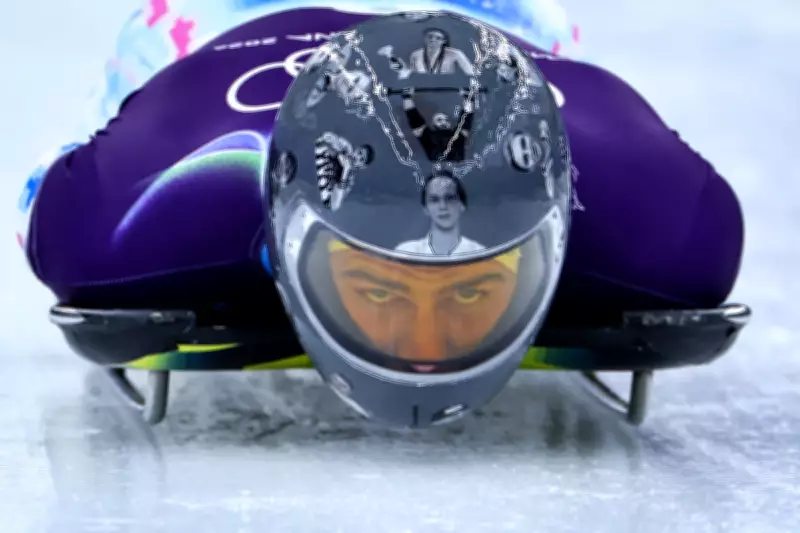
The International Olympic Committee (IOC) has officially confirmed that Ukrainian skeleton athlete Vladyslav Heraskevych will not be permitted to wear a helmet commemorating those killed in the war with Russia during the skeleton competition at the Winter Olympics. In a statement released on Tuesday, the IOC announced that Heraskevych may wear a black armband as a compromise gesture, but his helmet has been deemed a violation of Olympic regulations.
Rule 50.2 Cited as Basis for Prohibition
IOC spokesperson Mark Adams addressed the media at a news conference in Milan-Cortina, explaining that Heraskevych's helmet contravenes Rule 50.2 of the Olympic Charter. This rule explicitly prohibits any form of demonstration or political, religious, or racial issues on fields of play or podiums. Adams stated that Heraskevych and his team were informed of this decision during an informal meeting on Monday night, following the athlete's preparation of an official request to compete in the helmet.
The IOC fully understands the desire of athletes to remember friends and colleagues who have lost their lives in that conflict, and in many, many other difficult conflicts around the world, Adams said. It's fundamental that there are equal rights for all athletes and that the games need to be separated not just from political and religious, but from all types of interference so that all the athletes competing can concentrate on their performance.

Heraskevych's Emotional Response and Helmet Details
In a video posted on social media, Heraskevych expressed his dismay, saying the decision breaks my heart and that he had hoped for a fair final ruling from the IOC. He added, The IOC is betraying those athletes who were part of the Olympic movement, not allowing them to be honoured on the sports arena where these athletes will never be able to step again. After the ban was confirmed, he told Reuters, It's unfair treatment. I don’t see any violation of rule 50. It is not discrimination propaganda, it is not political propaganda.
The helmet in question features images of Ukrainian athletes who have been killed since Russia's invasion in 2022, including:
- Teenage weightlifter Alina Perehudova
- Boxer Pavlo Ischenko
- Ice hockey player Oleksiy Loginov
- Actor and athlete Ivan Kononenko
- Diver and coach Mykyta Kozubenko
- Shooter Oleksiy Habarov
- Dancer Daria Kurdel
Heraskevych, who is 27 years old and has been training in Italy while wearing the tribute headgear, described some of these individuals as his friends.
Compromise and Future Actions
Despite the helmet ban, the IOC has offered an alternative by allowing Heraskevych to wear a black armband during competition. Adams emphasized, What we said is that this helmet contravenes the guidelines. But that being said, after the meeting, we also reiterated once again that we will in this case, as we do now more often, make an exception to the guidelines to allow him to wear a black armband during competition. He further noted, I think what we've tried to do is to address his desires with compassion and understanding. He has expressed himself on social media and in the training. We will not stop him expressing himself in press conference and in the mixed zone. We feel that this is a good compromise in the situation.
Heraskevych is set to return to training on Tuesday, with his first day of competition scheduled for Thursday, where he will be permitted to wear the black armband. This decision highlights the ongoing tension between athlete expression and Olympic neutrality, particularly in contexts of global conflict.