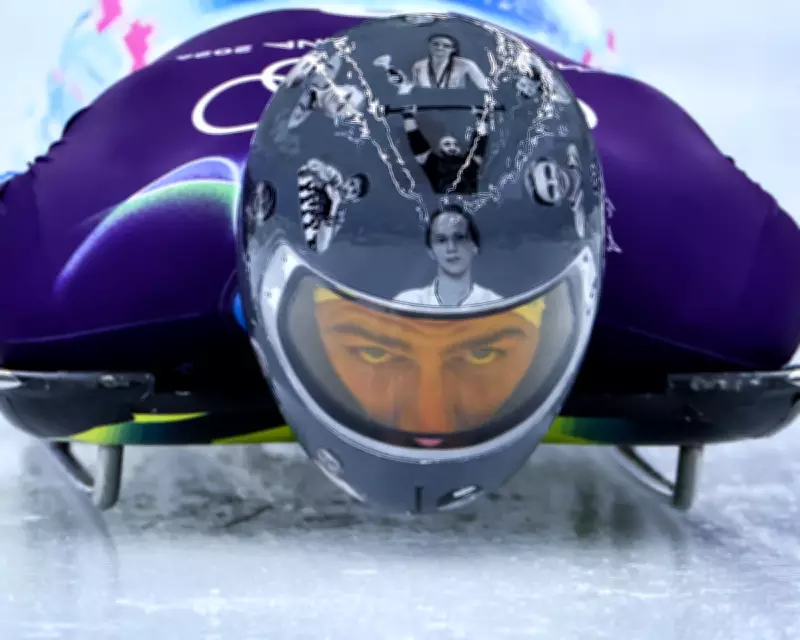
Ukrainian Skeleton Athlete Banned Minutes Before Olympic Race
In a dramatic turn of events at the Winter Olympics, Ukrainian skeleton racer Vladyslav Heraskevych was barred from competing just 75 minutes before his scheduled men's skeleton race on Thursday morning. The International Bobsled and Skeleton Federation (IBSF) issued the ban, which Heraskevych received as he arrived at the track around 8:15 AM local time.
IOC President's Emotional Intervention
International Olympic Committee (IOC) President Kirsty Coventry was waiting for Heraskevych at the top of the track upon his arrival. The two immediately went into a private area for a brief conversation, where Coventry attempted to persuade Heraskevych to reconsider his position or challenge the decision. However, her efforts were unsuccessful, and she was unable to change his mind regarding the ban.
After the meeting, Coventry spoke with reporters, visibly emotional with tears rolling down her face. She stated, 'It's a message of memory and no one is disagreeing with that,' suggesting the decision carried significant symbolic weight. The IOC later added that it made its ruling 'with regret,' indicating the complexity and sensitivity of the situation.

Heraskevych's Reaction and Planned Appeal
Heraskevych, holding the official decision document from the IBSF, briefly addressed journalists after his discussion with Coventry. He expressed profound disappointment, saying, 'It's hard to say or put into words. It's emptiness,' capturing the emotional void left by the sudden exclusion from the competition he had trained for extensively.
The athlete confirmed his intention to appeal the ban to the Court of Arbitration for Sport (CAS), seeking a reversal that would allow him to compete in future events. This move highlights the ongoing legal and procedural battles that can overshadow athletic pursuits at the highest levels of international sport.
The incident underscores the intense pressures and unforeseen obstacles athletes face, even moments before their events. It also raises questions about the timing and communication of such decisions, which can have devastating psychological impacts on competitors who have dedicated years to their Olympic dreams.