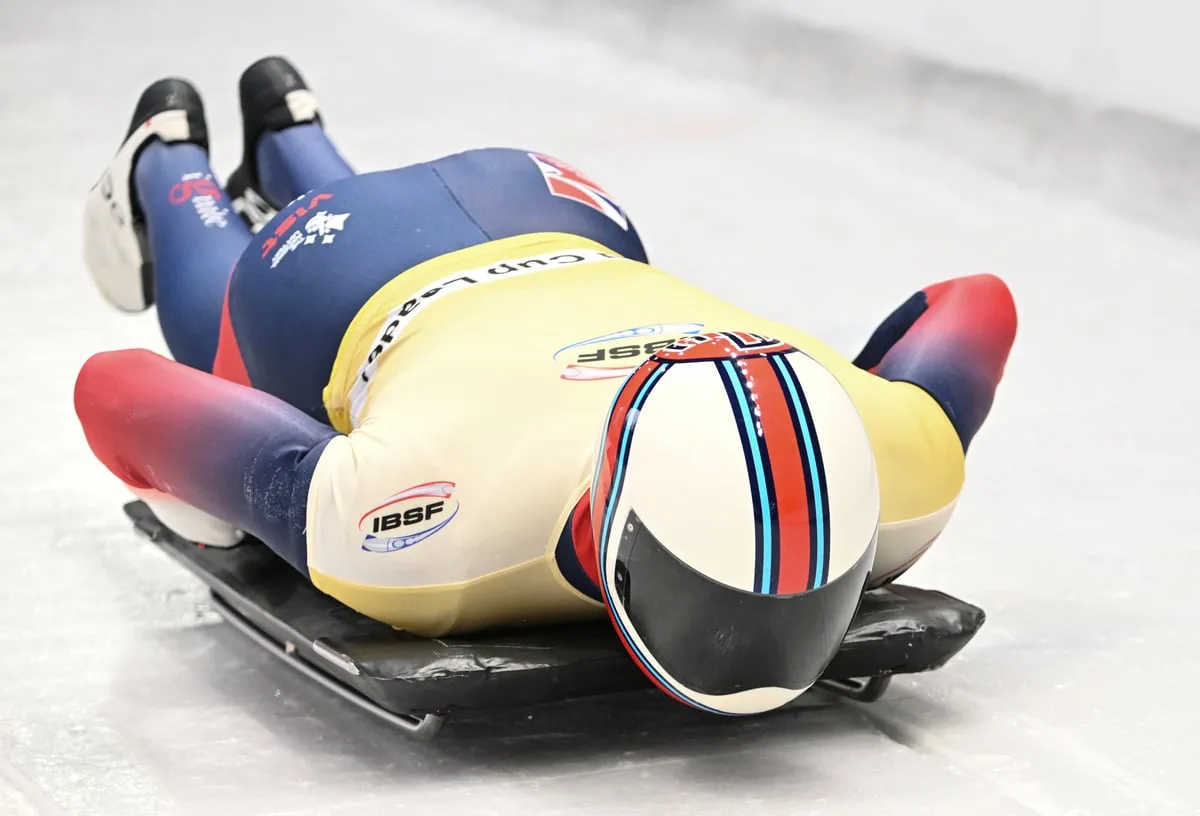
The medal aspirations of Great Britain's skeleton team at the upcoming Winter Olympics have been plunged into uncertainty due to a contentious helmet dispute that has emerged mere days before competition commences in Milan and Cortina.
Appeal Lodged Over Aerodynamic Equipment Ruling
The British Bobsleigh and Skeleton Association (BBSA) has formally appealed to the Court of Arbitration for Sport (CAS) against a decision by the International Bobsleigh and Skeleton Federation (IBSF) that would prohibit their newly developed helmets from being used during the Games.
The central issue revolves around the IBSF's determination that the helmets, which incorporate distinctive aerodynamic ridges designed to reduce drag, do not conform to the sport's current regulatory framework. This ruling has thrown the team's preparation into disarray at a critical juncture.
Imminent Hearing Scheduled Before Competition
A specially convened CAS Ad Hoc Division panel is scheduled to conduct a hearing on Thursday, which falls just one day prior to the opening ceremony and approximately a week before the men's skeleton competition is set to begin on February 12th.
Despite the timing, sources indicate the BBSA remains relatively composed about the proceedings. The association tested the controversial helmets during training sessions in Switzerland last week and has confirmed they will revert to their standard World Cup equipment should the appeal prove unsuccessful.
Historical Precedent of Equipment Scrutiny
This incident marks another chapter in the British skeleton team's history of facing equipment-related challenges at Olympic events. In 2010, immediately following Amy Williams' gold medal performance, teams from the United States and Canada filed a protest alleging the small ridges on her aerodynamic helmet violated regulations.
That protest was ultimately dismissed, with Williams characterising the objections as "sour grapes" from disappointed rivals. Similarly, during the 2018 Games, medal winners Lizzy Yarnold, Laura Deas, and Dom Parsons wore specialised skin suits featuring drag-resistant ridges that also attracted questions about their legality from competing nations.
Strong Medal Prospects for British Team
British athletes have accumulated an impressive total of seven skeleton medals since the sport's reintroduction to the Winter Olympic programme in 2002. The current squad arrives in Italy with perhaps their strongest ever opportunity to augment that tally.
World champion Matt Weston and teammate Marcus Wyatt have dominated the recent World Cup season, dividing all seven gold medals between them while also leading the mixed team standings. On the women's side, both Tabby Stoecker and Amelia Coltman have secured podium finishes during the competitive season, further bolstering British medal expectations.
The timing of this equipment controversy represents a significant distraction for athletes who have otherwise enjoyed a superb build-up to the Games. The outcome of Thursday's hearing will determine whether they can compete with their preferred aerodynamic equipment or must adapt to alternative gear at the eleventh hour.