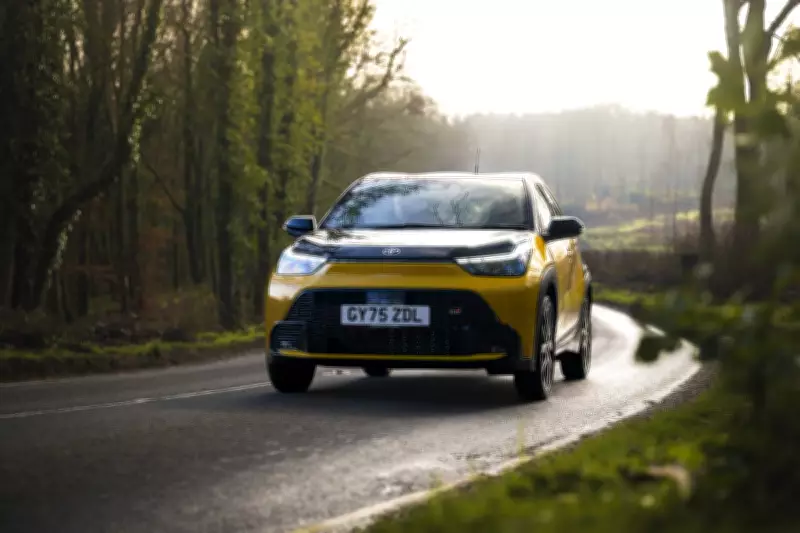
Toyota Aygo X Hybrid: A Charged-Up Small Car with a Costly Upgrade
The Toyota Aygo X, a perennial favourite in the affordable small car segment, has undergone a significant transformation. Now available as a chargeable hybrid model, it promises enhanced performance and modern styling, but this comes at a higher price point, as noted by automotive journalist Sean O'Grady.
Hybrid Technology and Design Enhancements
Toyota has integrated self-charging full hybrid technology into the Aygo X, making it standard across all UK models. This move aligns with the brand's reputation for hybrid innovation, similar to the Prius, though without plug-in options. The result is a vehicle with more power, superior performance, and sharper aesthetics compared to its predecessor.
The Aygo X retains its pseudo-SUV chunky styling, giving it a robust appearance. In the GR Sport variant, it receives a mild sporty makeover, including a black bonnet, 18-inch alloy wheels, and optional contrasting mustard yellow paint. This version offers tweaked steering and suspension for sharper handling, making it an attractive package for enthusiasts.

Performance and Specifications
Compared to the pre-hybrid model, the new Aygo X Hybrid features a larger 1.5-litre petrol engine versus the previous 1.0-litre unit. It delivers 114 horsepower, up from 71 hp, with increased torque from the electric motor. Fuel economy improves to the low 70s miles per gallon, and CO2 emissions drop below 100g/km, positioning it as best in class according to Toyota.
Key specifications include a top speed of 107 mph, a 0-60 mph time of 9.2 seconds, and a price range starting from £21,495, with the tested GR Sport model priced at £26,945. The interior boasts decent quality materials, well-weighted controls, and a user-friendly touchscreen, contributing to a grown-up feel reminiscent of other small cars like the VW Up or Toyota iQ.
Drawbacks and Considerations
The primary drawback is a substantial price hike. The base Icon version now costs approximately £4,000 more, a 25% increase over the outgoing model. This makes the Aygo X Hybrid less accessible, especially for budget-conscious buyers. For those who drive fewer miles, a lightly used non-hybrid model might offer better value and reliability due to its simpler drivetrain.
Additionally, the manual gearbox option has been discontinued, and no new small Toyota is available for under £20,000, unlike the original non-hybrid hatch. In comparison, all-electric alternatives like the Hyundai Inster offer cleaner and cheaper running costs, though the Aygo X Hybrid remains a competent urban vehicle with the ability for longer journeys.
Final Verdict
The Toyota Aygo X Hybrid represents a clear improvement in performance and efficiency, with its naturally aspirated three-cylinder engine providing an entertaining drive. However, the significant price increase may deter some buyers. While it excels as urban transport for small families, the loss of affordability and manual options highlights a shift in the small car market. Toyota's legacy of building dependable vehicles for the masses suggests a potential return to more basic, cost-effective models in the future, but for now, the Aygo X Hybrid offers more car for more money.