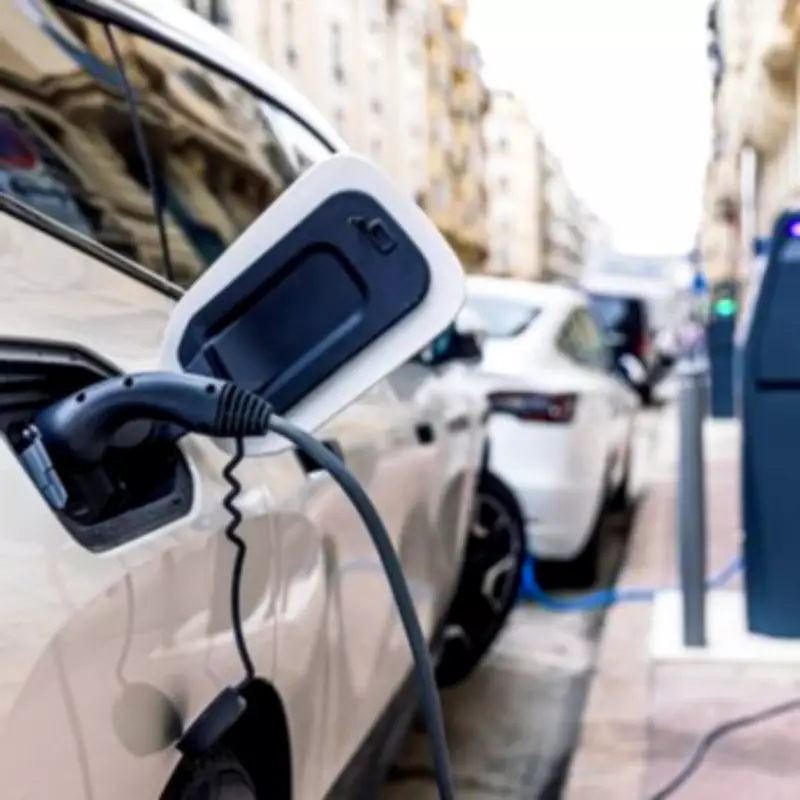
In recent weeks, a significant surge in interest has emerged among UK consumers looking to purchase electric vehicles. This shift has been largely propelled by the ongoing conflict in Iran, where military actions by the United States and Israel have effectively closed the Strait of Hormuz, causing oil prices to skyrocket. As a result, more individuals are likely to show greater enthusiasm for transitioning to electric cars rather than investing in new petrol or diesel models.
Top Gear's Comprehensive Range Analysis
With this growing trend in mind, journalists at the renowned automotive publication Top Gear have compiled a detailed list of electric cars available in the UK with the longest ranges. Their findings highlight the advancements in battery technology and the increasing practicality of electric vehicles for long-distance travel.
Mercedes EQS 450+ Takes the Lead
Topping the list is the Mercedes EQS 450+, an electric saloon car boasting a claimed range of approximately 575 miles. This impressive distance is theoretically sufficient to travel from London to Edinburgh on a single charge, showcasing the vehicle's capability for extended journeys without the need for frequent stops.

Furthermore, Top Gear addressed common concerns about charging times, noting that the Mercedes EQS can add 200 miles of range in just 10 minutes when using a 350kW charger. This rapid charging feature helps alleviate worries about lengthy waits during road trips, making electric vehicles more convenient for everyday use.
BMW and Volvo Follow Closely
In second place, the BMW iX xDrive50 offers a claimed range of 562 miles, positioning it as another strong contender in the luxury electric vehicle market. This model is part of BMW's new Neue Klasse-era strategy, emphasizing innovation and sustainability.
Completing the top three is the Volvo EX60, with a claimed range of 503 miles. Top Gear attributed this performance to its 117kWh "cell-to-body" battery design, where cells are integrated directly into the vehicle structure rather than assembled into a separate pack. This engineering approach enhances efficiency and contributes to the car's extended range.
Addressing Common Electric Vehicle Concerns
The growing interest in switching from fossil-fuel-powered cars to electric alternatives has been echoed by experts and automotive bodies, who are working to reassure drivers that previous apprehensions about electric vehicles are becoming less relevant.
One longstanding fear among potential buyers has been the risk of running out of charge. However, advancements in battery technology and a significantly improved charging infrastructure mean that electric car drivers now have ample opportunities to recharge across the UK.
Myth-Busting from Industry Experts
In a recent social media post, the RAC featured insights from James, the Business Director of Zapmap, to debunk myths surrounding electric vehicles. James explained that using features like the radio or air conditioning consumes minimal battery energy compared to accelerating the car to high speeds.
"Using things like the radio, heating, air conditioning takes very little battery energy compared to, say, accelerating the car up to 70 miles an hour," he stated. "An EV can power those things for a very long time if you're stuck in a traffic jam."
This reassurance is part of broader efforts to educate consumers about the practicality and reliability of electric cars, especially as fuel prices remain elevated due to geopolitical tensions. The combination of longer ranges, faster charging, and improved infrastructure is making electric vehicles an increasingly attractive option for UK drivers seeking efficiency and sustainability.