Formula 1 Unveils Seven Groundbreaking Rule Changes for the 2026 Season
The new Formula 1 season is set to commence with significant transformations affecting all 11 teams on the grid. As the sport returns this weekend, a series of seven major rule changes have been introduced, designed to revolutionise racing dynamics, improve sustainability, and heighten competition. These adjustments include a substantial shake-up in qualifying procedures and the adoption of advanced technological systems.
Active Aerodynamics Replaces DRS
In a move away from the conventional Drag Reduction System (DRS), Formula 1 has implemented active aerodynamics with two distinct modes: X-Mode and Z-Mode. Drivers can now utilise Z-Mode to achieve maximum downforce through corners, enhancing grip and stability. On designated straights, they can switch to the low-drag X-Mode, which is accessible regardless of their proximity to another car, promoting more strategic overtaking opportunities.
New Overtake Mode for Enhanced Racing
With Straight Mode available to all drivers, a fresh tactical tool called Overtake Mode has been introduced to assist with overtaking maneuvers. When a driver closes within one second of the car ahead, they receive an additional burst of electrical energy. This allows them to sustain higher speeds for longer periods than the leading vehicle, potentially increasing on-track battles and excitement.

Redesigned Power Units with 50/50 Split
The power units have been completely redesigned to deliver a virtually equal balance between the internal combustion engine and electrical power. This change eliminates the complex MGU-H (Motor Generator Unit-Heat) and triples the output of the MGU-K (Motor Generator Unit-Kinetic). As a result, energy management and harvesting during races become far more crucial, adding a new layer of strategy for teams and drivers.
Qualifying Format Overhaul
With the introduction of Cadillac expanding the grid to 22 cars, the knockout qualifying segments have been modified. In Q1 and Q2, six drivers are now eliminated at the end of each session, rather than the previous five, ensuring only 10 cars progress to the final Q3 session. This adjustment aims to streamline the process and maintain competitive intensity.
Extended Q3 Duration for Strategic Depth
To accommodate new energy deployment strategies and ensure an exciting finish, the final qualifying session (Q3) has been lengthened to 13 minutes. This provides teams with more time to charge their batteries for multiple "hot laps," reducing rush and allowing for better preparation and tactical planning.
Revised Race Start Procedure
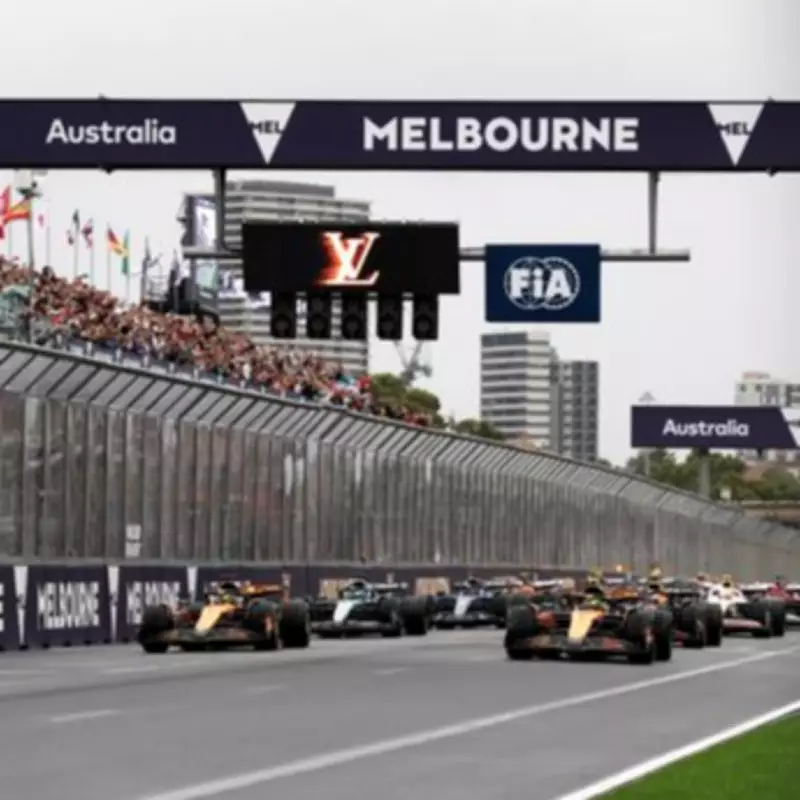
As the new engines lack an MGU-H to keep the turbo spinning, there is a risk of significant "turbo lag" at the start. To counter this, the FIA has optimised the start sequence, allowing drivers a specific window to build engine revs before the lights go out. This change aims to ensure smoother and fairer race starts.
100% Sustainable "Drop-In" Fuels
For the first time in Formula 1 history, every car will run on fully sustainable fuel collected from non-food sources or atmospheric carbon capture. This "drop-in" fuel is designed to power the high-performance V6 engines without necessitating a complete redesign of the combustion chamber, marking a major step towards environmental responsibility in the sport.
These seven rule changes represent a bold shift for Formula 1, focusing on innovation, sustainability, and enhanced racing action for the 2026 season and beyond.