F1's 2026 Cars Spark Safety Concerns After Chaotic Australian Grand Prix
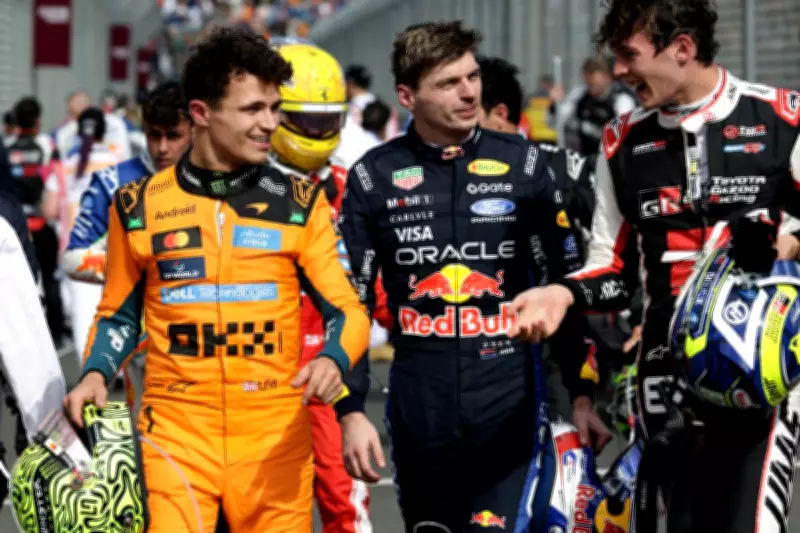
While the opening laps of Formula 1's Australian Grand Prix delivered thrilling wheel-to-wheel action, the race exposed significant safety concerns with the sport's radical new 2026 regulations. Reigning world champion Lando Norris issued a stark warning post-race, declaring the current situation "chaos" and predicting a major accident unless adjustments are made.
Norris's Dire Warning and Close Calls
"It is way too much, it is chaos," said the McLaren driver, who finished fifth in Melbourne. "We are going to have a big accident, which is a shame because we are the ones driving, just waiting for something to happen and for it to go quite horribly wrong." Norris specifically highlighted the dangerous closing speeds between cars, exacerbated by new aerodynamic and battery systems that have transformed F1 into what feels like an entirely different sport.
The peril was illustrated early when Liam Lawson's Racing Bulls car moved slowly off the start line, forcing Alpine's Franco Colapinto to execute a rapid swerve to avoid a massive collision. "The video shows it was very dangerous and quite sketchy," Colapinto noted. This incident, witnessed in replay by the top-three finishers in the cool-down room, prompted gasps of shock and relief.

Regulatory Teething Problems and Driver Reactions
The race start procedure itself came under scrutiny, with the FIA starter holding the final red light for less than half a second—a move Ferrari's Charles Leclerc described as "quite cheeky." While Leclerc benefited, storming from fourth to first, the brevity added unnecessary risk during this period of adaptation.
Norris elaborated on the dangers posed by the new overtake mode, which creates stark speed disparities as one car accelerates while another slows to regenerate battery power. "Depending on what drivers do, you can have 30, 40, 50kph closing speeds," he detailed. "And when someone hits another driver at that speed, you are going to fly, and go over the fence, and do a lot of damage to yourself and maybe to others. That is a pretty horrible thing to think about."
Mixed Opinions Across the Paddock
While some dismissed Norris's comments as sour grapes—Mercedes' George Russell suggested "if he was winning, I don't think he'd be saying the same"—other drivers echoed concerns. Max Verstappen has expressed strong dislike for the new regulations and hasn't ruled out quitting, while home hero Oscar Piastri crashed on a reconnaissance lap after experiencing a sudden 100kw power surge. Youngster Ollie Bearman likened the new overtaking dynamics to a video game.
Mercedes team principal Toto Wolff acknowledged the criticism but noted drivers often romanticize previous eras. "Not one driver was speaking particularly well of the last cars.... we tend to be very nostalgic when looking at past events," he said, referencing issues like the porpoising effect that plagued the 2022 season.
Calls for Adaptability and Safety Refinements
Even race winner Russell had specific requests for the FIA, particularly regarding the 'straight mode' aerodynamic settings. "When we open straight mode, we have lots of understeer... I think from a safety aspect that would make the racing safer, better," he explained. This highlights why the FIA must remain adaptable in the coming weeks, willing to adjust regulations based on driver feedback and observed risks.
The governing body demonstrated this flexibility during the weekend, quickly reversing a sudden removal of a 'straight mode' circuit area after recognizing the error. Such responsiveness will be crucial as the sport navigates this transition period.
The Path Forward for F1's New Era
With these regulations locked in until at least 2030, incremental fine-tuning is inevitable. The learning curve for all stakeholders—especially FIA single-seater director Nikolas Tombazis—will be steep, and the rate of change across initial races may be dramatic. While the early battle between Leclerc and Russell provided "rip-roaring racing theatre," the underlying safety issues cannot be ignored.

F1 has made impressive safety strides in recent decades, with no driver fatalities since the halo device's introduction in 2018. Maintaining this record requires addressing the concerns raised in Melbourne. As drivers, executives, and fans adjust to this new era, keeping an open mind while prioritizing safety refinements will be essential for the sport's future.