F1 Makes Prudent Call to Cancel Middle East Races Amid Ongoing Conflict
Formula One has taken the decisive step to cancel both the Bahrain and Saudi Arabian Grands Prix scheduled for next month, a move that will cost the sport approximately £100 million in hosting fees. The decision, confirmed late on Saturday night as teams prepared for the Chinese Grand Prix in Shanghai, reflects the escalating instability in the Middle East following the outbreak of war between the US-Israel alliance and Iran two weeks ago.
Safety Concerns Override Financial Considerations
While the financial impact is substantial, with Saudi Arabia and Bahrain contributing around £55 million and £45 million respectively in host fees, F1's strong financial position—valued at an estimated £16 billion—means the sport can absorb these losses. More importantly, the cancellation prioritises the safety of the sport's extensive travelling personnel, media, and spectators over monetary gain.
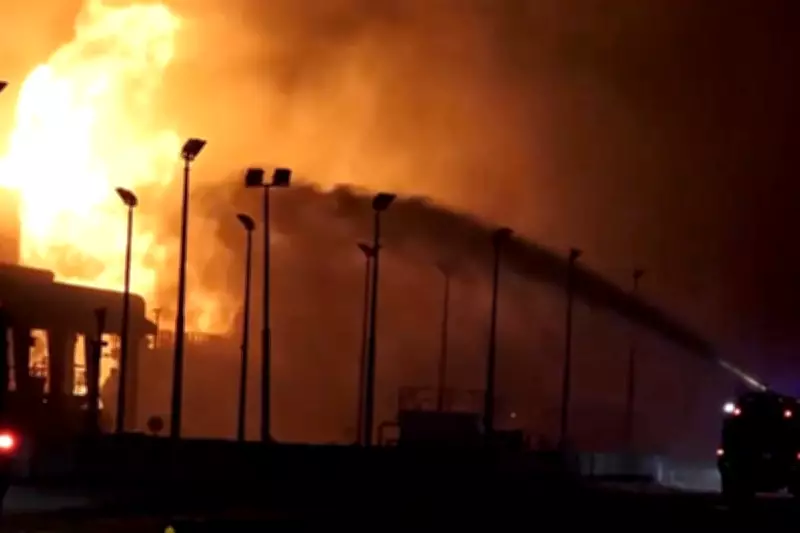
The conflict has already directly impacted the region, with an Iranian drone striking the Crowne Plaza hotel in Manama, Bahrain—a venue frequently used by F1 staff—and a missile causing a fire near Muharraq Island airport just days ago. These incidents underscore the genuine security risks that made hosting glamorous sporting events inappropriate at this time.

Logistical Challenges and Historical Precedents
The cancellation follows earlier disruptions, including Pirelli's cancelled tyre test in Bahrain and stranded McLaren and Mercedes personnel due to sudden air travel closures. F1's swift response mirrors its decisive actions in 2022, when it terminated the Russian Grand Prix contract just one day after Vladimir Putin's invasion of Ukraine and dismissed Haas driver Nikita Mazepin shortly thereafter.
This proactive approach contrasts with past instances where financial motivations might have prevailed, demonstrating F1's current operational maturity. The sport has also learned from the coronavirus pandemic era, when last-minute calendar changes were necessary, though the current situation differs fundamentally as it involves active conflict zones.
Sporting and Operational Implications
The cancellation reduces the 2026 season from 24 to 22 races, creating a five-week gap between the Japanese Grand Prix at Suzuka on March 29 and the Miami Grand Prix on May 3. While this hiatus may allow teams like Mercedes—currently leading after George Russell's win in Melbourne and Kimi Antonelli's pole position in China—to maintain their advantage, it also provides rival teams an extended period for development and potential catch-up.
Alternative European venues, including Le Castellet in France, Istanbul Park in Turkey, Portimao in Portugal, and Imola in Italy, were briefly considered but ultimately deemed impractical due to the immense logistical challenges of last-minute organisation for personnel, fans, and security teams.
A Necessary Decision for Regional Stability
Ultimately, F1's decision recognises that the Middle East is currently no place for the glitz and glamour of elite motorsport. With ongoing missile strikes, drone attacks, and civilian casualties, hosting major international events would be both unsafe and insensitive. The sport has rightly placed human safety and regional stability above financial interests, setting a commendable precedent in an era where sports and politics are increasingly intertwined.