F1 Bahrain and Saudi Arabian Races in Jeopardy as Regional Tensions Escalate
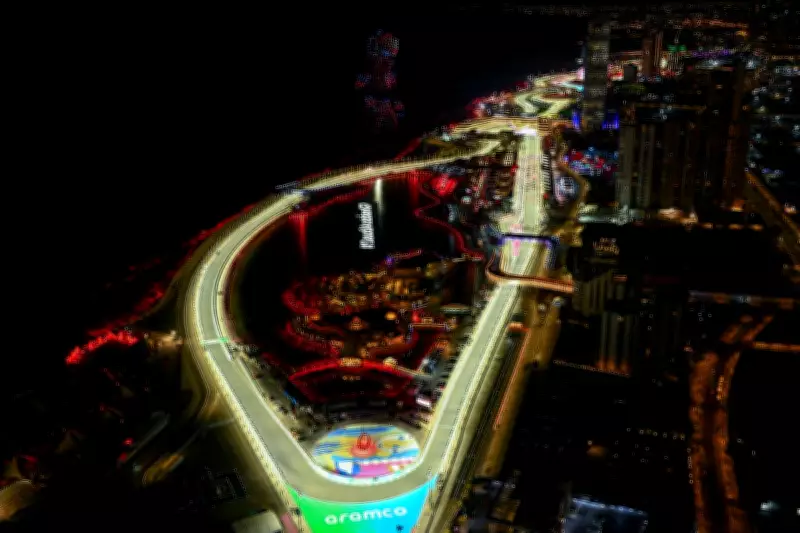
The Formula One calendar for 2026 is facing significant disruption, with the Bahrain Grand Prix scheduled for 12 April and the Saudi Arabian Grand Prix a week later on 19 April now looking highly unlikely to proceed. This uncertainty stems from heightened military tensions in the Middle East, including recent attacks involving Iranian missiles and drones targeting locations in Bahrain and Saudi Arabia.
According to reports from the state-owned Bahrain News Agency, an Iranian drone strike near Manama, the capital of Bahrain, injured 32 people just this Monday. With the Sakhir circuit located only 30km south of Manama, and the Jeddah circuit in Saudi Arabia also at risk, safety concerns are paramount. Formula One and the FIA are closely monitoring the situation, with a loose deadline set for 20 March to make a final decision, shortly before the third round of the season in Japan.
Potential Replacements and Logistical Challenges
Should the races be cancelled, speculation has arisen about possible replacements at circuits such as Imola in Italy, Le Castellet in France, Portimao in Portugal, or Istanbul Park in Turkey. However, organising these events at short notice presents immense logistical difficulties. Promoters would have limited time to sell tickets and arrange essential services like marshals, security, and transport, making such alternatives financially unattractive.

Another option considered is hosting a second race at Japan's Suzuka circuit after the initial event there, but this could exacerbate existing issues for track owners Honda, particularly regarding their engine partnership with Aston Martin. While Formula One managed to hold races at stand-in venues during the Covid-19 pandemic, the current scenario lacks the same urgency to complete a full season, and a reduced 22-race calendar might still meet commercial obligations, albeit with lower overall revenues.
Financial Implications and Historical Precedents
Cancelling both races could cost Formula One an estimated £54 million in lost hosting fees. Saudi Arabia is understood to pay approximately £30 million per race, matching Qatar as the highest contributor, while Bahrain pays around £24 million. These Middle Eastern events are not only lucrative but also symbolically important, with Bahrain owning the McLaren team and Saudi Arabia being a major sponsor through state-owned Aramco.
A precedent exists from 2011 when the Bahrain Grand Prix was cancelled due to civil unrest and not rescheduled after teams objected to a late October date. Interestingly, Bahrain still paid its hosting fee that year, though it remains unclear if similar arrangements would apply in 2026.
Statements from F1 Leadership and Broader Motorsport Impact
F1 team bosses have emphasised that safety is the top priority. Mercedes team principal Toto Wolff expressed doubts about racing in the region, stating that the conflict makes it difficult to prioritise the sport. He deferred the decision to F1 CEO Stefano Domenicali and the FIA, hoping for a resolution but acknowledging the challenges.
McLaren CEO Zak Brown noted that communication has been limited due to the focus on the season opener in Australia. Domenicali added that no statement would be made immediately, as the situation is evolving and a collective decision will be taken in due course.
The impact extends beyond Formula One, with the World Endurance Championship event in Doha already postponed and MotoGP's Qatar round facing likely cancellation. Formula Two, which plans a test in Bahrain from 25-27 March, may also see its events scrapped, potentially delaying its second race until Monaco in June.