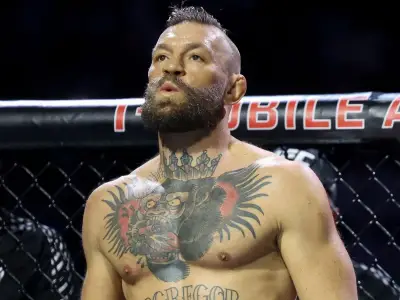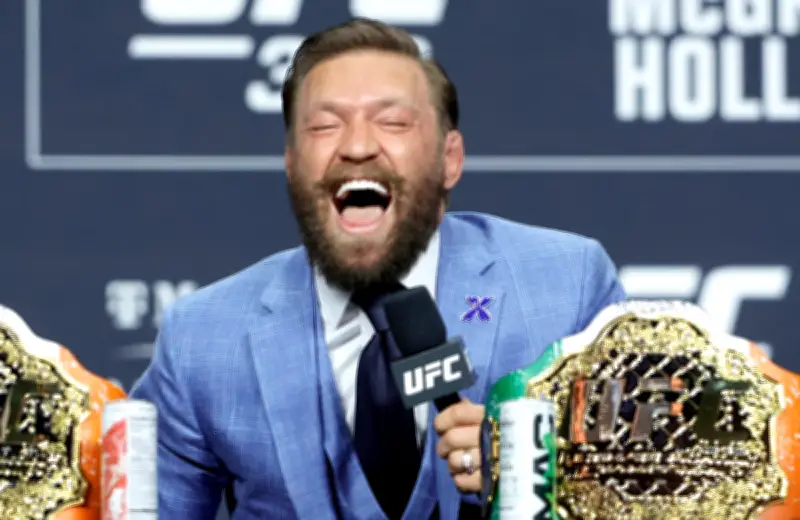
Conor McGregor returns to the UFC this Saturday night in Las Vegas after a five-year hiatus, but the fighter stepping into the octagon is a far cry from the sensation who once transformed the promotion. The 37-year-old Irishman, who suffered a catastrophic leg fracture in his last fight against Dustin Poirier in 2021, will face Max Holloway in a long-discussed rematch at the T-Mobile Arena. His comeback, however, appears driven more by financial incentives for himself and TKO Group Holdings than by a desire to reclaim lost glory or repair his tarnished reputation.
A Fallen Star Amid Controversy
McGregor’s return comes against a backdrop of serious allegations and declining public support. In 2024, a civil jury found him liable for raping Nikita Hand in 2018, a verdict he has appealed. His hardline political stances, including anti-immigration rhetoric echoing Donald Trump, and endorsements from far-right figures like Tucker Carlson and Elon Musk have further alienated many in Ireland. A poll last September showed only one in ten Irish voters considered him a viable candidate for public office, after he briefly entered the presidential race before withdrawing.
During a St Patrick’s Day visit to the White House in 2025, McGregor made controversial immigration remarks from the press room podium. Irish Prime Minister Micheál Martin condemned the statements, saying they “do not reflect the spirit of St Patrick’s Day, or the views of the people of Ireland.” Trump spokeswoman Karoline Leavitt, however, defended the invitation, stating the White House “couldn’t think of a better guest to have with us.”

The UFC’s Unwavering Support
Despite the controversies, the UFC has shown no hesitation in promoting McGregor’s return. Weigh-ins on Friday are scheduled to air on CBS, and the event gate is expected to break the company record of $21,892,245. UFC president Dana White has long viewed McGregor as a transformative figure. White recalls signing McGregor in 2013 after Irish fans in Dublin’s Temple Bar demanded the featherweight get a contract. White was convinced that if McGregor could fight even a little, he could become the massive star the promotion needed.
McGregor’s 67-second knockout debut in Stockholm against Marcus Brimage confirmed White’s instincts. His subsequent 13-second knockout of Jose Aldo to win the UFC featherweight title in 2015 remains a career highlight. However, since then, McGregor has lost four of his last seven fights, with three stoppage losses. His prolonged absence—longer than the time from his UFC debut to boxing Floyd Mayweather for a reported $130m in 2017—has left questions about his competitive edge.
A Changed Fighter and Audience
At a press conference this week, McGregor dismissed the need to win back fans, stating, “I’m not here to win anyone back. I am who I say I am. I am that I am.” Yet, for many, the endearing entertainer who once inspired millions has been overshadowed by his legal troubles and political turn. The UFC, however, is banking on McGregor’s enduring draw. As White noted, the promotion has never confused morality with marketability. McGregor remains its biggest draw because he generates genuine curiosity—fans will tune in hoping for a miracle, a meltdown, or confirmation that the magic is gone.
The outcome of Saturday’s fight is almost immaterial. Whether McGregor wins or loses, his return underscores the UFC’s appetite for its fallen star. But the illusion of the old Conor McGregor, as one observer noted, begins to crumble the closer you look.