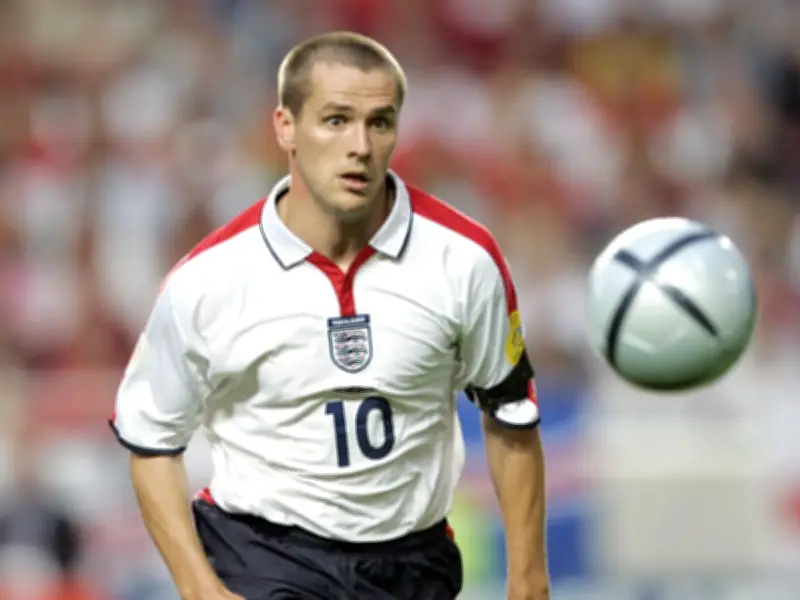
Michael Owen has admitted he was blissfully unaware of the widely-reported dressing room tensions that plagued England's so-called 'Golden Generation' during the 2000s. The former Liverpool and Manchester United striker, now the face of Casino.org in the UK, spoke exclusively to Daily Star Sport about his experience with the Three Lions.
England's Golden Generation Fell Short
England's squad of the 2000s was packed with world-class talent from dominant clubs like Manchester United, Liverpool, Chelsea, and Arsenal, including Wayne Rooney, Steven Gerrard, Paul Scholes, Frank Lampard, Rio Ferdinand, Ashley Cole, and John Terry. Despite their individual brilliance at club level, the team failed to deliver on the international stage. Under Sven-Goran Eriksson, they reached only the quarter-finals of the 2002 and 2006 World Cups and Euro 2004. They then failed to qualify for Euro 2008 under Steve McClaren, and were embarrassingly knocked out by a youthful Germany side in the 2010 World Cup under Fabio Capello.
Owen's Surprise at Tensions
Owen, who became a global star after scoring a wondrous goal against Argentina at age 18 in the 1998 World Cup, said: "I enjoyed England, I would say I possibly enjoyed it more than most. At the time I thought it was great, and when I look back. But just recent comments from certain people as to why we didn't win something, and who got on with who, and why we didn't do this and that... It sort of put a little slight question mark in my mind in terms of what it was like and what we were feeling."
Owen added: "I thought everything was rosy and everyone liked each other. But reading things since saying 'oh we didn't get on' and 'if we'd had [we'd have played] a better game', it's sort of news to me." He acknowledged that "probably players in that squad played a lot better for their club than they did for England", but said he couldn't pinpoint exactly why.
Key Players Acknowledge Rivalries
Key members of the squad have since spoken out about their poor relationships. Liverpool icon Steven Gerrard was brutally honest, saying: "I think we were all egotistical losers." He reflected on how players like Jamie Carragher and Paul Scholes now appear close, but weren't during their playing days. Gerrard said: "Why are we all mature enough now and at stages in our life where we're closer and more connected? Why couldn't we connect as England team-mates back then? I think it was down to the culture within England that we were all never connected. All in our rooms too much. We weren't friendly or connected. We weren't a team."
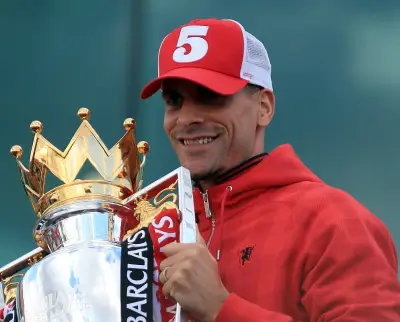
Rio Ferdinand, on the other side of the Liverpool-Manchester United divide, admitted his drive to succeed with United stopped him from bonding with rivals. He told the Times magazine: "It overshadowed things. It killed that England team, that generation. One year we would have been fighting Liverpool to win the league, another year it would be Chelsea. So I was never going to walk into the England dressing room and open up to Frank Lampard, Ashley Cole, John Terry or Joe Cole at Chelsea, or Steven Gerrard or Jamie Carragher at Liverpool because of the fear they would take something back to their club and use it against us."
Ferdinand added: "I didn't realise that what I was doing was hurting England at the time. I was so engrossed, so obsessed with winning with Man United - nothing else mattered."
Impact on England's Performance
The bitter club rivalries seemingly prevented the creation of a harmonious camp, according to many players from those teams. Despite the immense talent at their disposal, England's Golden Generation never progressed beyond the quarter-finals of a major tournament, leaving a legacy of unfulfilled potential.