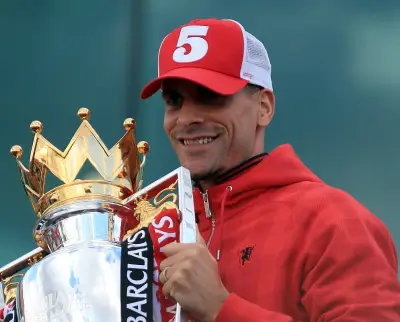
Gary Neville, Roy Keane, and Ian Wright have joined the chorus of criticism directed at FIFA over the controversial hydration breaks introduced at the 2026 World Cup. The measure, originally designed to protect players from dehydration in scorching temperatures, has evolved into a tactical timeout that disrupts the flow of matches.
Drinks Break Controversy
The policy, first trialed at the Club World Cup, splits each 45-minute half into two 22.5-minute segments. Critics argue this mirrors American sports like the NFL and NBA, prioritizing advertising revenue over the integrity of football.
Netherlands captain Virgil van Dijk expressed his displeasure after a 2-2 draw with Japan, stating it is "not really something that I like." Fans and pundits alike have condemned the "stealth advertising" that has emerged, with broadcasters capitalizing on the stoppages.
Pundits Speak Out
Speaking on Sky Sports' The Overlap, Manchester United legends Neville and Keane agreed with England hero Wright that the hydration break has been misused. Neville urged FIFA to act quickly, saying: "I think FIFA are going to have to act quite quickly now. If it's a drinks break, coaches should stay on the bench and tactics boards should not be allowed."
Neville noted that some games have featured screens showing set-pieces and tactics boards, effectively turning the break into a "mini-half-time" with four quarters. He expressed surprise that FIFA has not "stamped on" the issue, calling it a "stealth advertising break."
Wright responded: "There's nothing stealth about it, it's blatant." Keane argued that the product of football has been greatly affected, with fans switching off during breaks. "We love football because of the pace of the game," he said. "You don't want to go to the toilet, you might miss something! But these breaks stop the flow and momentum."
Keane highlighted an example where a game had a lovely cool evening but still featured a hydration break after an injury stoppage, calling it "stop/start." He noted that American broadcasters have even referred to it as a "time-out," likening the game to four quarters.
Growing Opposition
The breaks have sparked widespread opposition from players, fans, and pundits. While originally intended to safeguard player welfare, the commercial exploitation has led to calls for FIFA to reassess the policy. Neville, Keane, and Wright's comments add to the pressure on football's governing body to address the issue before the tournament progresses further.