WSL's Momentum Stalls as Extended International Break Creates Fixture Void
The climax of the domestic women's football season in England and across Europe has been abruptly halted by an extended international break, stripping away crucial momentum at a pivotal time. With the weather improving and interest typically swelling as the season reaches its peak, the fixture list is instead blank, leaving clubs and fans in a frustrating lull.
International Schedule Clashes with Domestic Needs
The primary issue stems from an 11-day window for up to three international fixtures, a departure from the traditional eight-day window for two matches. In Europe, this has resulted in a slow buildup, as most national teams, including England, have not opted for a third game. For instance, England are playing Spain on 14 April and Iceland on 18 April, but skipped a friendly in early April. In contrast, many countries globally, such as the USA, Brazil, and Zambia, are utilising the opportunity for three matches, highlighting a disconnect between global and European scheduling.
Sarina Wiegman, England's head coach, has voiced opposition to the three-match format, stating, "My opinion, and the FA opinion, is that, at this moment, we think it’s best to play two, because with the congested agenda and the amount of games the players play, we didn’t want to use the third one." This stance reflects concerns over player workload, but it comes at a cost to domestic leagues.

Missed Opportunities for Fan Engagement and Club Progress
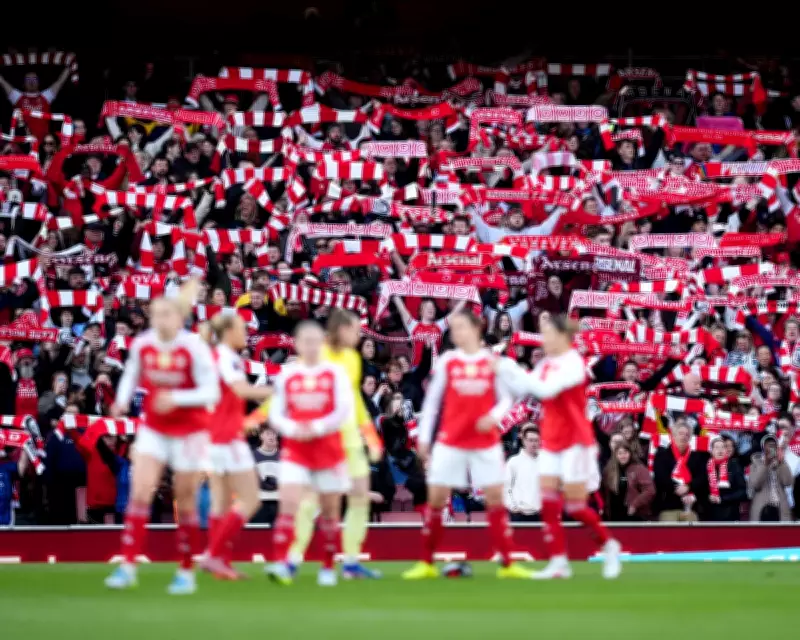
For the Women's Super League and other European leagues, this break means wasted weekends in a calendar that can ill-afford such gaps. Clubs like Everton, who drew 5,292 fans to a recent Merseyside derby, now face a month without a game, disrupting efforts to build a consistent fanbase. Leicester, battling at the bottom of the WSL, will not play at home between 29 March and 3 May, missing a chance to rally support. In the second tier, Portsmouth have the longest gap from 28 March to 26 April, with only two games left to avoid relegation.
Sunderland, who attracted over 10,000 fans in a recent match and secured new American investment, must wait until 26 April for their next home game. The promotion race, with Birmingham and Charlton separated by goal difference, is similarly paused for most of April. These gaps make it challenging for new fans to integrate women's football into their routines, hindering the sport's growth.
Fitness and Logistical Challenges Compound the Issue
Beyond fan engagement, there are fitness concerns for players not on international duty, risking underloading and potential performance drops after a month without competitive action. In the Frauen Bundesliga, for example, most teams have no matches between 30 March and 22 April, with even fewer in cup action over Easter. Aston Villa fans face additional uncertainty, as their home game against Arsenal on 26 April may be rescheduled due to Arsenal's Women's Champions League semi-final commitments, which inconveniently fall on weekends.
Some managers, like Charlton's Karen Hills and Liverpool's Gareth Taylor, see benefits in the break, citing mental reset and recovery. Hills noted, "There will be a reset moment for those players, just mentally, because we’ve had a tough block." Taylor added, "It’s nice to have a breather to realise there are other things going on in this world apart from football." However, these advantages are overshadowed by the disruption to the season's rhythm.
Long-Term Implications and Future Concerns
This problem is not a one-off; similar three-game international windows are scheduled for February, April, and November-December over the next three seasons, meaning the issue will persist through 2027, 2028, and 2029. While rest is vital, better utilisation of weekends could allow the domestic season to conclude earlier, granting players a longer off-season break. For a sport striving to cultivate a robust fan culture, these gaps represent a significant hurdle, making it exasperating for supporters and threatening the momentum built from events like Euro 2022.
As women's football continues to evolve, addressing these scheduling conflicts will be crucial to sustaining growth and ensuring that the run-in to the season remains engaging for all involved.