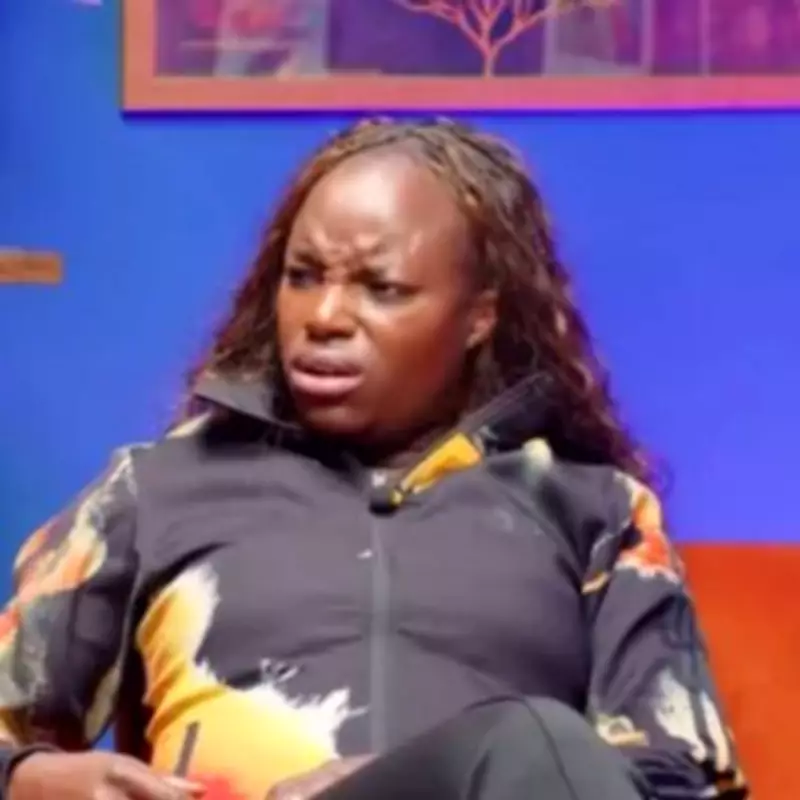
Laura Woods Publicly Distances Herself from Eni Aluko's Latest Outburst
Prominent sports broadcaster Laura Woods has taken a firm stance on social media, clearly distancing herself from the recent controversial comments made by her long-time colleague Eni Aluko regarding pundit selection in women's football coverage. The public disagreement highlights ongoing tensions within the football media community over representation and opportunities.
Aluko's Controversial Remarks on Pundit Selection
Speaking on the 90s Baby Show, former England international Eni Aluko expressed strong concerns about the composition of punditry panels for major women's football events. Aluko specifically referenced last year's Euro 2025 women's final between England and Spain, questioning why male pundits were occupying prominent positions during coverage of the women's game.
"In the women's game the opportunities are even more limited, so the main characters of the show should be the women," Aluko stated. "Men should be part of that. I'm not saying anybody should be excluded, I believe in diversity wholeheartedly, but the same way we've played a supporting role in the men's game, it should be the same for women's football."

Aluko emphasized her protective stance toward women's football, noting her long involvement in the sport during periods when it received little financial reward or media attention. She argued that after years of struggle to build the women's game, female pundits should now be taking center stage during major women's football events.
The Specific Complaints About Final Coverage
Aluko provided specific examples to support her argument, noting that during last year's Women's Lionesses final, she and former England player Fara Williams (with a combined 290 international caps between them) were seated in the stands rather than serving as pundits. Meanwhile, broadcasters ITV and BBC featured male pundits in two of six available spots.
"I've never done a major final in men's football for eleven years," Aluko revealed. "I've done three World Cups, men's Euros, Champions League, but I've never had that opportunity, and maybe rightly so. But when it comes to women's finals, why are people like me and Fara not there?"
The former striker pointed out that female pundits rarely, if ever, get opportunities to cover major men's football finals, creating what she sees as an imbalance when male pundits regularly cover women's finals.
Woods' Clear Social Media Response
Following the circulation of Aluko's interview, Laura Woods, who has worked closely with the 105-cap England international, made her disagreement unmistakably clear through social media. The ITV and TNT Sports presenter initially responded to the controversy with a simple "wow" on platform X.
When directly questioned about whether she would defend Aluko's latest opinion, Woods offered an even more definitive response: "nope." This brief but unambiguous rejection represents a significant public distancing from her colleague's viewpoint, particularly given their professional history working together in football broadcasting.
Historical Context of the Controversy
This is not the first time Aluko has sparked controversy with her comments about punditry in women's football. Last year, she faced significant backlash after criticizing Arsenal legend Ian Wright, a long-standing supporter of women's football, claiming he was hindering opportunities for female pundits.
The football community reacted strongly to those remarks, with Wright himself refusing to accept Aluko's subsequent apology. The latest comments appear to continue this pattern of challenging what Aluko perceives as patriarchal structures within football broadcasting, though they have now drawn criticism from within her own professional circle.
The public disagreement between Woods and Aluko highlights ongoing debates about representation, opportunity, and the appropriate balance between male and female voices in covering women's sports. As women's football continues to grow in popularity and commercial value, these conversations about who gets to tell the stories and analyze the games are likely to remain contentious within the broadcasting community.