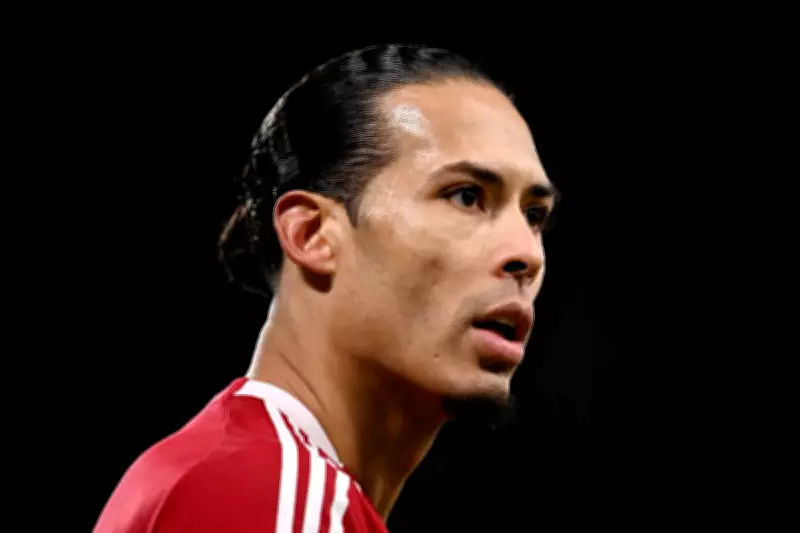
Liverpool captain Virgil van Dijk has issued a powerful plea to football pundits, urging them to consider the mental health impact of their comments on the new generation of players. In a statement that highlights growing concerns over the pressures faced by young athletes, Van Dijk emphasised that pundits hold a "duty of responsibility" towards safeguarding the well-being of footballers, particularly those who are more vulnerable to scrutiny.
The Call for Responsible Commentary
Van Dijk expressed deep concern that the modern media landscape, driven by the pursuit of "clickbait" criticism and social media virality, could have detrimental effects on players' mental health. He pointed out that while seasoned professionals like himself can handle intense scrutiny, younger players are often less equipped to deal with the constant exposure and harsh judgments that proliferate online platforms.
Differentiating Criticism from Disrespect
While acknowledging that Liverpool deserved criticism for their recent performances, Van Dijk made a clear distinction between constructive feedback and what he termed 'disrespectful' commentary. He stressed that pundits, many of whom are former professional players, should leverage their experience to offer balanced perspectives rather than engaging in sensationalism that risks bullying or undermining players' confidence.

Personal Experience and Broader Implications
Van Dijk's comments come in the wake of his own confrontation with pundit Wayne Rooney over critical remarks, underscoring the personal stakes involved. He highlighted how social media amplifies pundits' comments, making them instantly accessible to a global audience and potentially exacerbating mental health issues among players. This call to action reflects a broader movement within sports to address mental wellness, as athletes increasingly speak out about the psychological toll of public criticism.
In conclusion, Van Dijk's message serves as a timely reminder of the ethical considerations in sports journalism. By advocating for more mindful commentary, he aims to foster a healthier environment for footballers, ensuring that the pursuit of entertainment does not come at the cost of their mental well-being. As the debate continues, his words resonate with fans and professionals alike, urging a shift towards more supportive and responsible discourse in the beautiful game.