UEFA Refereeing Chief Sounds Alarm Over VAR's 'Microscopic' Direction
Roberto Rosetti, UEFA's managing director for refereeing, has issued a stark warning that video assistant refereeing (VAR) is becoming excessively "microscopic" in its application across football. The Italian official expressed concern that the technology has drifted from its fundamental purpose of correcting clear and obvious errors, instead venturing into overly pedantic territory that risks altering the game's essential character.
The Original VAR Vision Versus Current Reality
Rosetti recalled the technology's foundational principles established eight years ago in London, where discussions centred on VAR addressing "clear mistakes" in factual, objective decisions. "Technology works so well in factual decisions," Rosetti emphasised. "In objective decisions, it is fantastic. But subjective evaluation is more difficult. That's why we started to speak about clear and obvious mistakes: clear evidence."
The UEFA director suggested this core philosophy has been gradually forgotten "everywhere," not specifically commenting on Premier League implementation but indicating a broader trend. He announced plans to revisit these fundamental questions during end-of-season meetings, stating firmly: "We cannot go in this direction of microscopic VAR intervention. We love football like it is."

The Problem with 'Moviola' Slow-Motion Analysis
A particular point of criticism focused on the excessive reliance on slow-motion replays to identify offences that might appear insignificant at normal speed. Rosetti used the term "moviola" - referencing a 1920s film-editing machine - to describe this practice. "When you are watching the situation with the super-slow motion, you can find a lot of things," he cautioned, implying this hyper-analytical approach distorts decision-making.
Statistical comparisons reveal interesting disparities: while the Premier League's VAR intervention rate stands at just 0.15 per match for on-field reviews (0.27 including factual reviews), the lowest in Europe, it faces persistent accusations of overly meticulous application. By contrast, the Champions League experiences a significantly higher overall intervention rate of 0.47.
Media Pressure and Technological Creep
Speaking after UEFA's annual congress in Brussels, Rosetti suggested media narratives have inadvertently contributed to VAR's expanding scope. When questioned about whether VAR is overreaching, he responded pointedly: "You said this, not me. You are guilty in some way, because also you pushed for more interventions. 'Where is VAR? Why doesn't VAR intervene? Why is VAR not involved? What are the VARs doing?' But now we need to be careful about that."
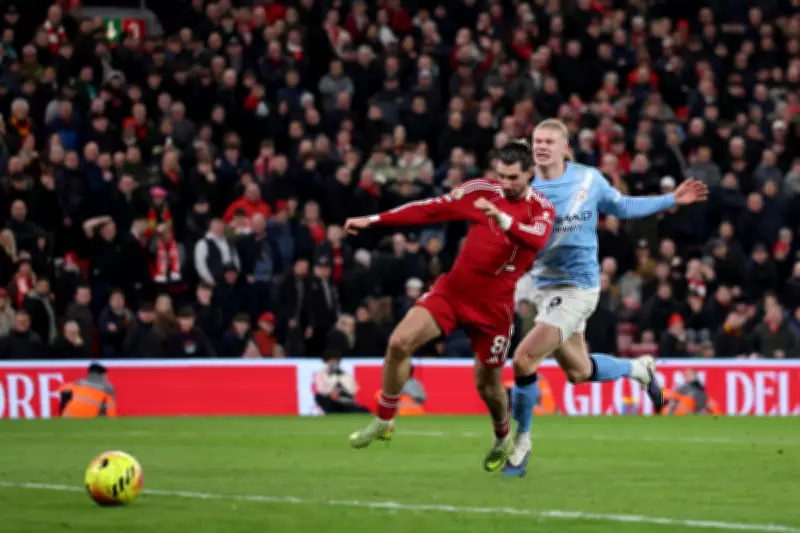
This warning comes against a backdrop of recent controversies, including incidents where players like Dominik Szoboszlai have been sent off following VAR reviews for challenges that might have appeared less consequential in real time. The technology's expanding mandate was further highlighted in January when the International Football Association Board (Ifab) endorsed plans for VAR to intervene on corner awards and incorrectly given second yellow cards.
Rosetti's intervention represents a significant moment in football's ongoing relationship with technology, signalling potential recalibration as stakeholders balance precision with preserving the game's essential flow and spirit.