The Tudor Era: A Cautionary Tale of Tottenham's Chaos
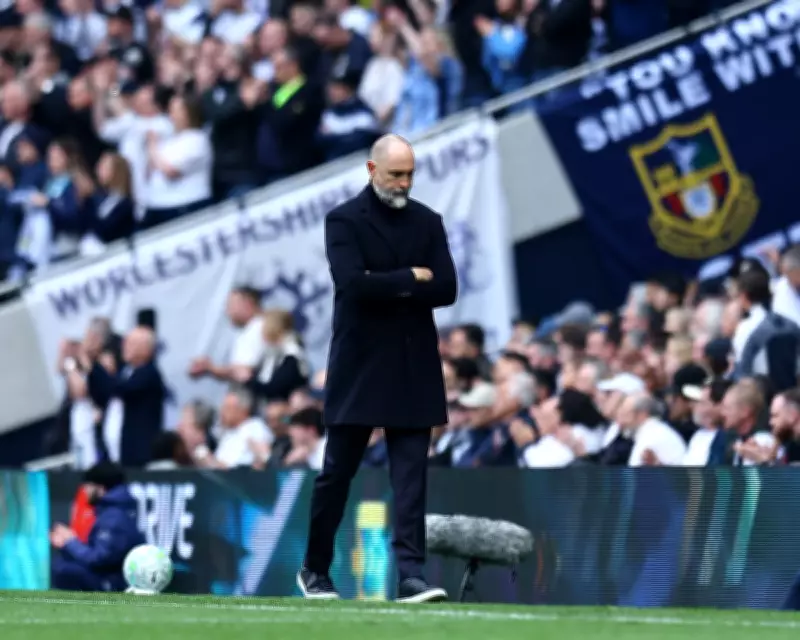
Igor Tudor's arrival at Tottenham Hotspur was marked by a striking visual contrast, as he appeared like a renaissance duke attending a corporate golf day, complete with a pointy beard, glowing eyes, skinny jeans, and gleaming leisure trainers. However, his departure painted a vastly different picture, with Tudor leaving wearing an indissoluble rictus of sorrow, the look of a man who has stared deep into the abyss and found it staring back. This transformation over just 44 days encapsulates the turmoil at Spurs, a club that remains hollow, confused, and in deep trouble despite his exit.
Relegation Battle Unveils Institutional Flaws
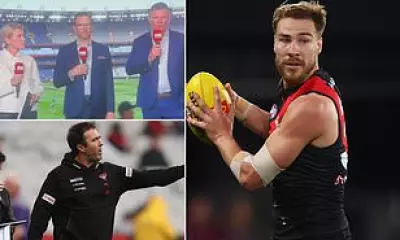
The relegation battle has brutally exposed Tottenham's institutional flaws, with the sheer stupidity of the interim hire still startling. Tim Sherwood, speaking on Sky Sports, captured the absurdity of the situation, suggesting that Spurs need an arm around the shoulder and should tell players like Xavi Simons they are the new Luka Modric, even if it is not true, just to inspire a rescue from relegation. Sherwood noted that the Premier League has smacked Tudor in the mouth, a sentiment that resonates with many, though Tudor deserves some sympathy for stepping into a role that should never have existed.
Only the hardest heart could fail to wish Tudor well as he departs, hopefully to find a more suitable and sane environment. The internet might even grant him the right to be forgotten, erasing his 44-day Tottenham spell from history, as the man has suffered enough. The lasting memory of his era is the dramatic shift in his demeanour, from confident newcomer to a figure of profound despair, a testament to the club's toxic environment.

Panic-Driven Moves and Executive Failures
Naturally, Tottenham's executive is keen to move on quickly, with names like Roberto De Zerbi linked to the manager's post. However, even this likely hire feels weird and bodged, raising questions about trust and logic. De Zerbi, a good coach at the right level, represents another panic-driven 180-degree turn. Hiring an unyielding systems fanatic with seven games left and relegation looming makes no sense, yet it highlights the ongoing chaos.
The people who orchestrated the Tudor debacle remain in place, managing the response to the chaos they created. This story reveals much about modern football, from culture-death and hollowed-out purpose to the careless hiring of key staff. It begs the question: how incompetent must one be to lose a job as a football executive? The situation is like a giant corporate onion, stinking more with each layer peeled back.
Structural Mistakes and Hollow Institutions
To be fair, Tudor was hired to make an impact, and he did—Spurs got worse. With no league wins, a Champions League exit, and various thrashings, including a home defeat to a relegation rival, his tenure was a disaster. Mistakes abounded, from trying too many formations to semi-ruining two goalkeepers in 17 minutes. Yet, these are not Tudor's errors alone; they are structurally inevitable, belonging to those who hired him, reportedly Vinai Venkatesham and Johan Lange.
The sheer stupidity of that hire is still startling, based on flawed data or smooth-talking agents rather than Tudor's lack of experience with English football or Tottenham's nuances. Why should anything change now? While it is tempting to say Spurs won't go down, with a four-way shootout involving West Ham, Nottingham Forest, and Leeds, three wins in seven games might suffice. But this optimism appals fans, akin to telling someone in a burning house that all is fine because smoke isn't visible.
A Wider Narrative of Death-Wish-Ball
There is a wider narrative of death-wish-ball around the club. The media are often accused of wanting Tottenham relegated, but the board, players, and institution seem to share this desire through self-immolating behaviour. The hollowness is palpable, with the club torn down and rebuilt, retaining only a sugar-frosting exterior as a football club. What is Tottenham Hotspur exactly? It no longer seems focused on glory, winning matches, or fan happiness.

The relegation battle is not a random event but a revelation of deep-seated issues, a destiny that may await other clubs of similar scale. Players appear disconnected, viewing elite football as just an industry, while the executive prioritises a multiplatform leisure brand over on-pitch success. Daniel Levy's role is debated, but his administration has led to mid-range punts while rivals improved, turning a mediocre season into a dance with the devil.
With seven games to avoid one of the all-time relegations, this failure feels like a judgment on a system, priorities, and the entropy of community clubs. Fans still crave passion and life at the heart of football, but does everyone else at Spurs value it above all else? The answer remains uncertain as the club teeters on the brink.