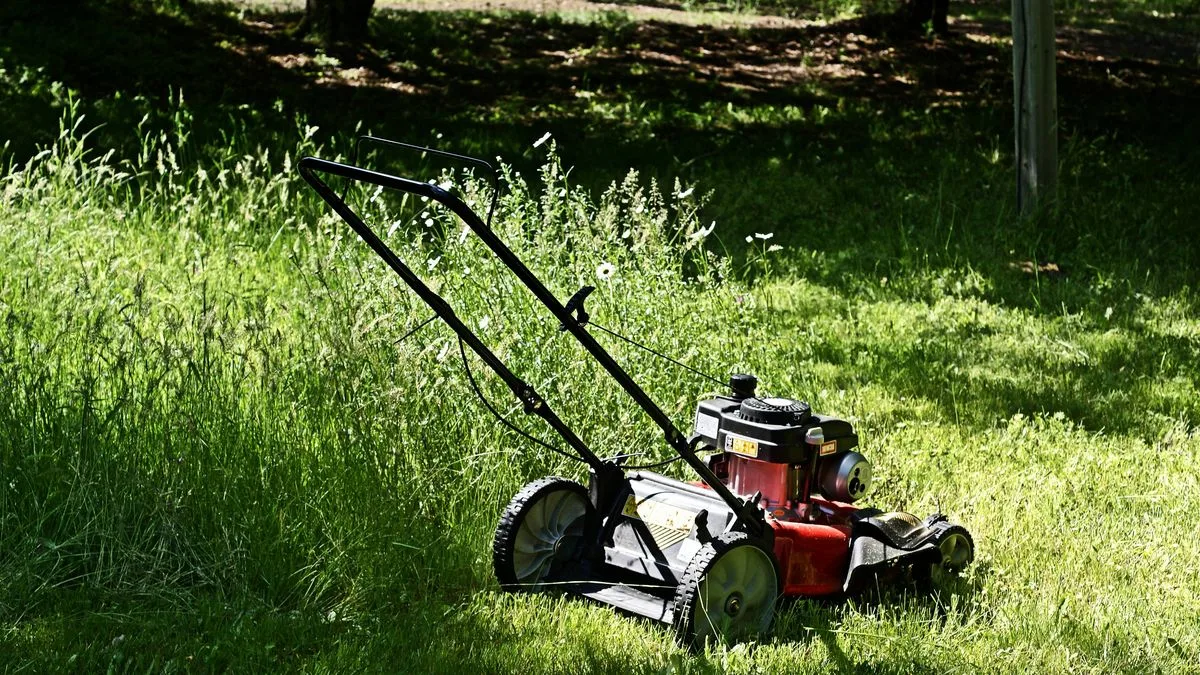
As the UK braces for a scorching bank holiday weekend with temperatures potentially reaching 30°C, gardeners are being urged to avoid mowing their lawns. Jonathan Davis, a grass expert at Lawnsmith, warns that cutting grass during a heatwave can cause long-term damage.
"While it might seem like a good idea, the best thing you can do is leave your lawn alone during heatwave conditions," Davis said. "Cutting it during hot weather can place stress on the blades and lead to long-term damage."
If mowing is unavoidable, Davis advises doing it before 10am when temperatures are cooler. He recommends raising mower blades to the highest setting to keep grass around three to four inches long. "This will give it some protection against scorching weather as longer grass blades create a shadow that helps to keep moisture in your soil," he explained.

Watering should also be done carefully. Davis suggests watering deeply but infrequently, and using a garden fork to create holes in the soil to help water reach the roots. This allows water to soak in before the sun evaporates it.