Melbourne Heatwave Puts Tennis Stars to the Test at Australian Open
As temperatures soared to a scorching 39°C in Melbourne, the Australian Open faced a formidable challenge from the elements. The extreme heat not only disrupted the tournament schedule but also pushed players to their physical limits, prompting innovative coping strategies and highlighting the sport's evolving approach to weather-related risks.
Players Adapt with Ice and Hydration Tactics
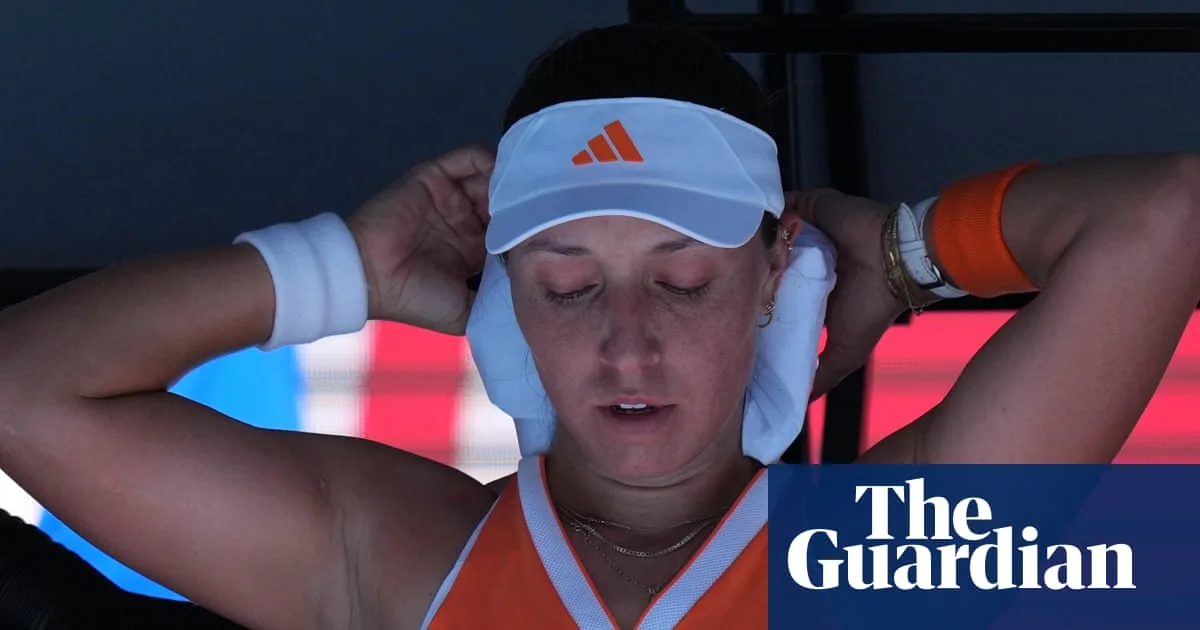
On a day when the sun beat down relentlessly, competitors like Jessica Pegula demonstrated resilience by employing practical measures to stay cool. During her match against Oksana Selekhmeteva, Pegula was seen placing a bag of ice around her head during breaks, a stark visual of the conditions. She emphasised the critical role of ice towels and maintaining hydration, noting that the sudden onset of heat can catch players off guard. "We're used to it happening here, but it's hard to prepare for that," Pegula remarked, underscoring the unpredictability of Melbourne's summer weather.
Other athletes, such as Karen Khachanov, wrapped ice towels around their necks, while Casper Ruud poured water over his head to combat the stifling atmosphere. Madison Keys shared insights into equipment adjustments, explaining that she often increases her racket tension to counter the ball's faster flight in warmer air. These adaptations reflect a broader trend of players taking proactive steps to mitigate heat stress.
Tournament Protocols and Schedule Disruptions
The Australian Open's organisers were well-prepared, implementing the Heat Stress Scale, a protocol that measures conditions on a scale from 1 to 5. By early afternoon, the scale had escalated to level 4, mandating extended breaks between sets. At its peak, level 5 triggered the immediate suspension of play on outdoor courts, leading to roof closures on arenas like Rod Laver Arena. This intervention proved timely for defending champion Jannik Sinner, who was struggling with severe cramps during his match against Eliot Spizzirri. "Got lucky today," Sinner admitted after the roof closure allowed him to recover and secure a victory.
The heat wreaked havoc on the schedule, with play delayed by 90 minutes as temperatures lingered. Spectators sought refuge in air-conditioned areas, while the player balcony remained deserted as athletes retreated to cooler lounges. This disruption underscored the significant impact of weather on major sporting events.
Contrasting Player Perspectives on Extreme Conditions
Reactions to the heat varied widely among competitors. Some, like Lorenzo Musetti, who endured a gruelling four-hour match, managed to avoid cramping through careful preparation. Others, particularly American players accustomed to training in humid climates like Florida, viewed the conditions as an opportunity. Spizzirri, for instance, saw the heat as a chance to showcase his physical endurance, stating he tried to relish the challenge rather than see it as unlucky.
However, the day also highlighted ongoing debates in tennis about player welfare. The recent introduction of ATP heat rules aims to prioritise health over antiquated attitudes that treat the sport as a gladiatorial contest. This shift marks a progressive step towards safeguarding athletes in increasingly extreme environments.
Looking Ahead to Further Heat Challenges
With forecasts predicting temperatures of 41°C in the coming days, similar scenes are expected to unfold at Melbourne Park. Players in the remaining draws will need to draw on their resilience and preparation to endure the full force of the Australian summer. The tournament's ability to adapt, through measures like earlier start times and hydration stations, will continue to be tested as climate patterns evolve.
As one spectator aptly put it, "I just feel like I'm never going to be cold again," capturing the pervasive intensity of the heatwave. This event serves as a reminder of how environmental factors are becoming integral to the narrative of modern tennis, influencing outcomes and strategies in profound ways.