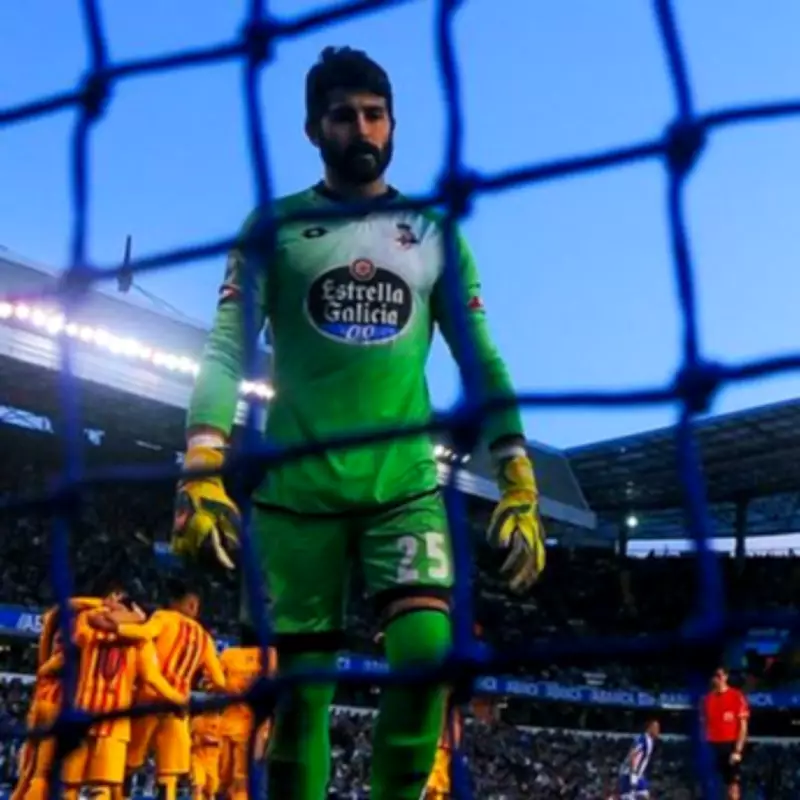
Spanish Goalkeeper's Shocking Experience Playing Football in Iran
Former La Liga goalkeeper Manu Fernandez has spoken out about his shocking six-month experience playing professional football in Iran, describing it as a deeply unsettling chapter in his career that left him stunned by cultural restrictions and prompted a dramatic escape from the country.
From La Liga to the Persian Gulf Pro League
The 39-year-old Spanish shot-stopper, who has now retired from professional football, rose through Sporting Gijon's academy and reached the heights of La Liga with Deportivo La Coruna. In 2016, after spending his entire career in Spain, Fernandez accepted an offer to join Iranian club Machine Sazi in the Persian Gulf Pro League, a decision he soon came to regret.
Fernandez made just 17 appearances for Machine Sazi before securing a return to Spanish football with third-tier side Marbella halfway through the season, but his brief time in Iran left a lasting impression of cultural contrasts that he found difficult to comprehend.

Cultural Restrictions and Gender Divides
The Spanish goalkeeper was unprepared for the stark differences between life in his homeland and Iran. Fernandez recalled one particularly jarring incident where a Machine Sazi teammate was summoned to court after his tattoos were spotted during a match, highlighting the strict social codes enforced in the country.
On another occasion, Fernandez claims a club employee sent him to his room after he was seen talking to a woman in a hotel lobby. The rigid gender divides left a profound impact on the goalkeeper, who described feeling constantly monitored and restricted in his daily interactions.
Reflections on Current Conflict and Regime Control
Watching recent escalations between Israel, the United States, and Iran from afar, Fernandez has reflected on his time in the country. The conflict resulted in the death of Supreme Leader Ali Khamenei and several other Iranian officials over the weekend, prompting retaliatory actions.
"I don't know if the way this is being provoked is the best, with Israel and the United States going all out, but I wish them the best," Fernandez told Spanish publication Sport. "That they become freer than they are now, that they have a democratic regime and can make their own decisions."
The former Spain U20 international believes the ongoing conflict could eventually lead to major cultural shifts in Iran. "Because of everything that's happening, I don't know if they're starting to wake up or if they see that people outside are finally paying attention to them," Fernandez said.
He described the regime's method of population control as limiting access to the outside world. "It's like having a flock of sheep, locked up. And that's very easy. But if people start to learn about what's out there... That's why what's happening surprises me, because you saw so many people devoted to the regime, and at the same time it doesn't surprise me, given that it seems impossible to live like that, with so many restrictions, for so long."
Dramatic Escape from Iran
Fernandez faced significant obstacles when attempting to cut his time at Machine Sazi short. Following the death of his father, the goalkeeper discovered that his passport had been retained by club officials, prompting him to begin plotting his escape from the country.
"I took advantage of an opportunity that arose when the football club failed to pay me to sneak out," Fernandez revealed. "I packed everything in the early hours of the morning because the flights to Istanbul left at night, and I didn't tell anyone on the team."
Fortunately, the Spanish goalkeeper wasn't stopped at airport security checks during his clandestine departure. Looking back on his experience, Fernandez offered a stark warning to other footballers considering similar moves: "I wouldn't recommend what I experienced there to anyone."
The goalkeeper's account provides a rare glimpse into the challenges faced by foreign athletes working in Iran, highlighting not just the professional differences but the profound cultural adjustments required in a country with significantly different social norms and restrictions.