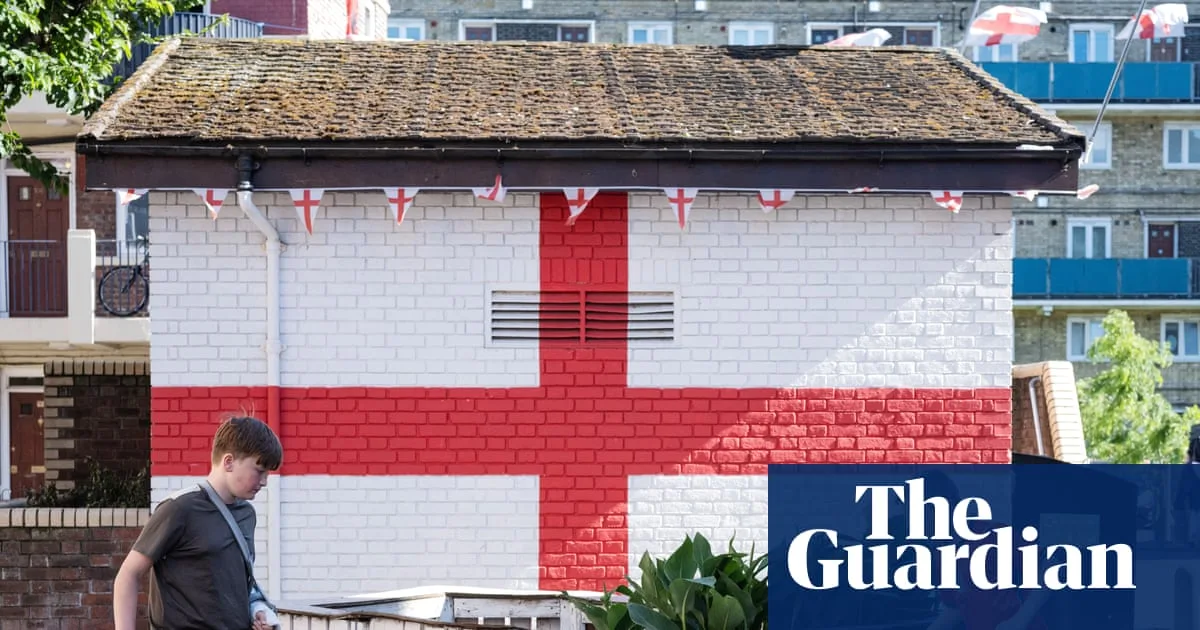
As the World Cup begins, the St George's cross has become a symbol of conflicting identities in England. Last summer, far-right groups co-opted the flag for anti-immigrant demonstrations, but this year many communities are reclaiming it as a sign of sporting pride. Drivers near London recently mistook a pub decorated with flags for a political statement, only to realise it was preparing for the football tournament.
Politicians have struggled to navigate the flag's dual meanings. Last summer, after flags appeared on lamp-posts across the country, Conservative leader Kemi Badenoch defended them, while some councils removed them over safety concerns. Prime Minister Keir Starmer initially encouraged flying flags as patriotic, but after a far-right rally in September he declared the flag should never be surrendered to those who use it as a symbol of violence and division.
The controversy persists locally. In Sheffield's Southey Green area, lamp-posts still display St George's crosses and union jacks. In March, a confrontation occurred outside Chaucer secondary school when teachers objected to men putting up flags. One of the men shouted 'Save our children' while pointing at the flag. The area recently swung from Labour to Reform in local elections, and most residents either support the flags or remain indifferent.
Far-right figures have actively promoted the flag displays. Tommy Robinson supplied flags to activists in Lichfield, while Nigel Farage wrote a supportive opinion piece. The flag remains a contested symbol, representing both national pride and political division as England's World Cup campaign begins.