Chief selector George Bailey has backed a group of a dozen or more Test aspirants to ease the transition from an ageing Australian batting line-up, saying the dynamic should be a source of excitement for Australian cricket.
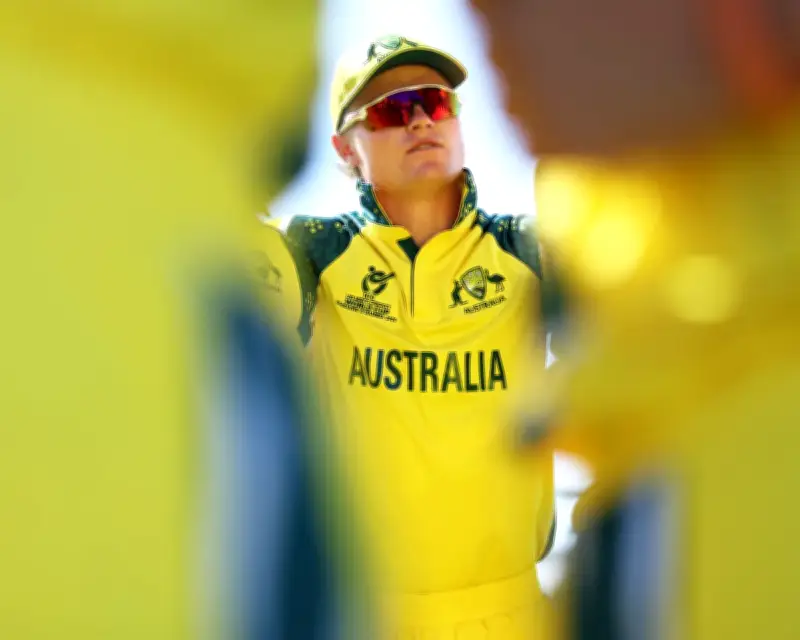
Flowing left-hander Ollie Peake made an eye-catching half-century on his first class debut for Victoria last year, but he thought he would have to wait much longer for the opportunity. The then-18-year-old had been late for his team's pre-match meeting in the previous round of the Sheffield Shield, and feared he would spend the season in the doghouse.
Peake's early Test ambitions
“Just after I finished year 12, we had a Shield game here [at Junction Oval] and I was in the squad. We had a meeting at 10 o'clock,” Peake says. “I was like, perfect. I'll leave extra early at 7.30 from Geelong – it normally only takes an hour – to make sure I'm here on time. There was a crash on the West Gate [Bridge] and I ended up getting here at 10.10.

“I've never felt worse about anything. I was just like, so in my own head about it and I had to apologise in front of the whole group. That's the last time I've ever stayed in Geelong, before training or a game.”
It was just one of many formative experiences that have been thrown at the teenager – who turns 20 next week – in recent years, and a reminder of the pressures facing Australia's young cricketers who are expected to average 50 in first class cricket even while coming to terms with life as an adult.
Young batters in the conversation
Peake has been anointed by the likes of Darren Lehmann and Ricky Ponting – the man he eclipsed as Australia's youngest ODI batter this year – as one of the country's best young talents. Ponting called for Peake and his Victorian teammate Campbell Kellaway to be selected for the Darwin Test against Bangladesh last month.
“It's always nice to hear that quality players like Ricky Ponting or Darren Lehmann said something nice about me, quality guys who have been there and done that, and they see something in you that they think is up to the level,” Peake says. “But at the same time I'm pretty self-aware that my performances haven't been amazing, or door-breaking.”
Peake averages 26 in first class cricket and is yet to score a century, but his promise – including being named in the team of the tournament at the Under-19 World Cup earlier this year – has secured him a place in the national 50-over set-up.
Bailey's perspective on the transition
He may one day secure a place in the Test line-up, but for now he is in a group of a dozen or more aspirants in the conversation to replace the likes of Marnus Labuschagne, Steve Smith and the recently-retired Usman Khawaja as the Australian XI enters a transitional period.
In that conversation, many have decried the state of the Australian batting, rejecting the notion that it is bowler-friendly pitches or characteristics of the Kookaburra that have meant no one has dominated the Sheffield Shield like some might have previously. Only two batters among the 20 top Shield run scorers last season averaged 40 or more: Jake Weatherald (40) and Matt Renshaw (50), who are both in their 30s.
Bailey said this week he does not see it as a challenge to be picking the team within this frame, which has driven feverish speculation in the media about who might next wear the baggy green. Rather, Bailey believes, the dynamic should be a source of excitement for Australian cricket. “We all love the examples of the players who debut or start their first-class careers and peel off five or six hundreds before they're 21,” he said.
“There's a reason why the same four or five names get run out in those articles, and we've got to go back 60 or 70 years [to get many examples] because it just is very rare for that to happen. So the exciting part from our end is just seeing the continual evolution of those batsmen, particularly the young ones.”
Kellaway, the 23-year-old Victoria opener, is travelling to India with Australia A this year, his latest experience with the country's next-in-line having now spent four years in first class cricket.

After the simple buzz of his initial Victorian selection, he says he is starting to understand the ongoing demands on an elite cricketer. “The more cricket that I've played at a professional level, you slowly just get to know your game better as you get thrown into new situations and challenges in different ways,” he says.
“I definitely found in the first couple of years that was a challenge navigating the bad habits you pick up from white-ball batting and then trying to get back to your best red-ball batting.”
Kellaway has moved from the middle order to open for Victoria, even while batting at first drop or down the order for the Melbourne Stars. His adaptation is about more than where he bats, however; he has recently moved out of his parents' home for the first time.
“There's so many different factors that come into how you might feel going into a game or when you walk out to the middle, so for me, just learning that it's pretty rare that everything's going to feel perfect. You get used to just embracing that messiness of cricket.”