Premier League's Unprecedented Competitiveness Puts Tottenham in Peril
The Premier League is currently witnessing its most fiercely contested season in years, with the title race and relegation battle both intensifying dramatically. While the competition at the top has captured headlines, the real narrative may be unfolding at the bottom of the table, where Tottenham Hotspur find themselves in a precarious position.
Tottenham's Stark Reality Check
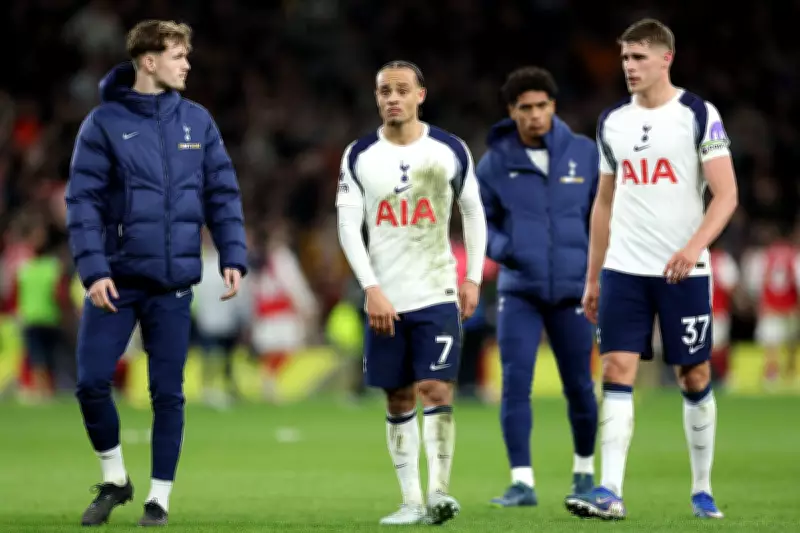
Following their comprehensive defeat to Arsenal, Tottenham manager Igor Tudor entered the dressing room with a sobering message for his players: it's time for serious self-reflection. The squad, once considered too talented for relegation concerns due to their substantial wage bill and individual quality, now faces the genuine possibility of dropping out of England's top division.
This represents a remarkable fall for a club that helped found the European Super League and ranks among the world's wealthiest football institutions. While some supporters have warned of this danger for months, the broader football community had largely dismissed such concerns, believing the squad possessed sufficient quality to avoid such a fate.

The Psychological Battle Beyond Quality
The situation at Tottenham has transcended mere questions of player ability. As Tudor correctly identified, this crisis has become psychological and emotional, with the club engulfed in a negative spiral that extends far beyond technical shortcomings.
Compounding Tottenham's struggles is the broader context of Premier League competitiveness. Evidence suggests this is the most balanced top-flight season since Leicester City's remarkable title triumph in 2015-16. The league's unique selling proposition—its unpredictability and competitive depth—has returned with greater force than ever before.
Statistical Evidence of Increased Competitiveness
The numbers tell a compelling story:
- The gap between first place and the relegation zone stands at just 36 points after matchweek 27—the smallest margin at this stage since the 2015-16 season
- Only six Premier League matches this season have featured defeats by four goals or more, compared to 20 during Leicester's title-winning campaign
- Manchester City's current three-match winning streak represents the longest in the league, with only Liverpool managing even two consecutive victories
This statistical landscape demonstrates that traditional powerhouses cannot afford to relax, even against supposedly weaker opposition. The physical and mental demands of maintaining intensity throughout matches have increased significantly, contributing to greater unpredictability across the league.
Structural Factors Driving Competitiveness
Several structural developments have contributed to this increased competitiveness:
- The expanded Champions League format has created additional fixture congestion, spreading elite teams' resources more thinly
- Thirteen years of massive broadcasting revenue has enabled even bottom-half clubs to invest in sophisticated coaching staffs and competitive squads
- Clubs like Wolves, West Ham United, and Nottingham Forest have developed into formidable opponents capable of challenging any team
This environment has created what might be described as an unintended balancing effect in English football, where financial advantages are partially offset by increased competitive demands across the board.
Tottenham's Precarious Position
For Tottenham, this heightened competitiveness represents particularly bad news. The club now faces the genuine prospect of following in the footsteps of Middlesbrough (1997), West Ham (2003), Newcastle (2009), and Leicester (2023)—established Premier League clubs who suffered unexpected relegation.
The second-half collapse against Arsenal served as an alarming indicator of Tottenham's current vulnerabilities. Their upcoming fixture against Fulham takes on critical importance, potentially revealing whether Tudor can galvanize his squad to navigate this treacherous landscape.
The message from the rest of the Premier League is unequivocal: in this most competitive of seasons, no team can afford complacency, and survival demands unprecedented sharpness from first whistle to last.