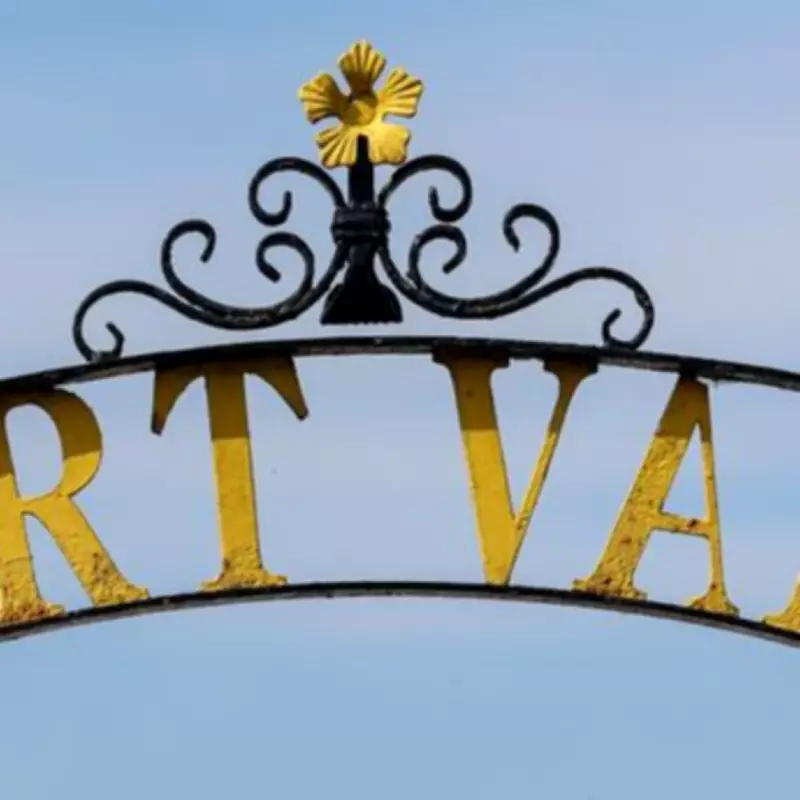
The Enigmatic Origins of Port Vale FC's Name
As Port Vale FC gears up for one of their most significant matches in recent history—an FA Cup quarter-final clash against Chelsea—the League One club's unique name has sparked curiosity among fans and historians alike. Despite there being no town called Port Vale today, the name holds deep roots in the industrial heritage of Staffordshire, offering a compelling origin story that sets the club apart in English football.
The Geographic and Historical Context
In the 1800s, Port Vale was a common reference to a specific area in the valley of ports along the Trent and Mersey Canal. This region, particularly around Middleport, served as the heart of the pottery industry, with the canal playing a vital role in transporting goods. The name "Port Vale" thus emerged from this industrial landscape, symbolizing the bustling hub of activity that defined the local economy.
Theories Behind the Naming
One widely accepted theory suggests that the club was formed during a meeting at Port Vale House in 1876. Located on Limekiln Lane, now known as Scott Lidgett Road, this residence is believed to be the birthplace of the team. The founders simply adopted the name of the building, cementing it as the club's identity from its inception.

Another strong historical claim points to the Port Vale Wharf, a prominent loading point on the canal near Burslem. As a central landmark for the local community and industry, the wharf provided a natural source for the team's name, reflecting the area's working-class roots and industrial significance.
Evolution of the Name
In their early years, the club was known as Burslem Port Vale to offer geographical context to outsiders. However, in 1907, during a period of financial restructuring, they dropped the "Burslem" prefix, officially becoming Port Vale. This change streamlined their identity while preserving the historical essence of the name.
Historical Evidence and Legacy
Evidence of the name's existence can still be found in historical remnants such as Port Vale Street and the Port Vale Corn Mill. These landmarks confirm that while Port Vale isn't a municipality, it was a very real industrial hub during the Victorian era, contributing to the club's unique charm.
This naming convention places Port Vale in an exclusive group of English teams, including Arsenal and Forest Green Rovers, that do not bear the name of a specific town or city. This has fostered a strong sense of unique identity among supporters, enhancing the club's outsider appeal.
FA Cup Quarter-Final Against Chelsea
Port Vale faces Chelsea at Stamford Bridge in a massive FA Cup quarter-final clash, marking a historic meeting as the two sides haven't competed against each other in any competitive fixture for 97 years. Their last encounter dates back to a Division Two match in 1929, adding to the anticipation of this rare showdown.
Known as giant-killers, the Valiants—currently struggling at the bottom of League One—reached this stage after a stunning 1-0 victory over Sunderland in the fifth round. Their presence in the final eight is a testament to the magic of the cup, especially as they are separated from Chelsea by over 60 places in the football pyramid, highlighting the dramatic underdog narrative.
This match not only showcases Port Vale's resilience but also brings their rich history to the forefront, reminding fans of the industrial roots that shaped their unique name and identity in English football.