Olympic Village Condom Shortage Reveals Steamy Athlete Culture
Olympic Village Condom Shortage Reveals Athlete Culture

Olympic Medallist Lifts Lid on Village's Steamy Atmosphere

A Spanish Olympic medallist has openly discussed the vibrant and intimate atmosphere within the Athletes' Village, highlighting that there is "lots of sex" occurring among competitors. Triple jumper Ana Peleteiro, who won bronze at the Tokyo 2020 Olympics, shared her insights with Spanish outlet RTVE, portraying the Village as a place where years of rigorous training culminate in a sense of release and celebration.

Condom Shortage Highlights High Demand

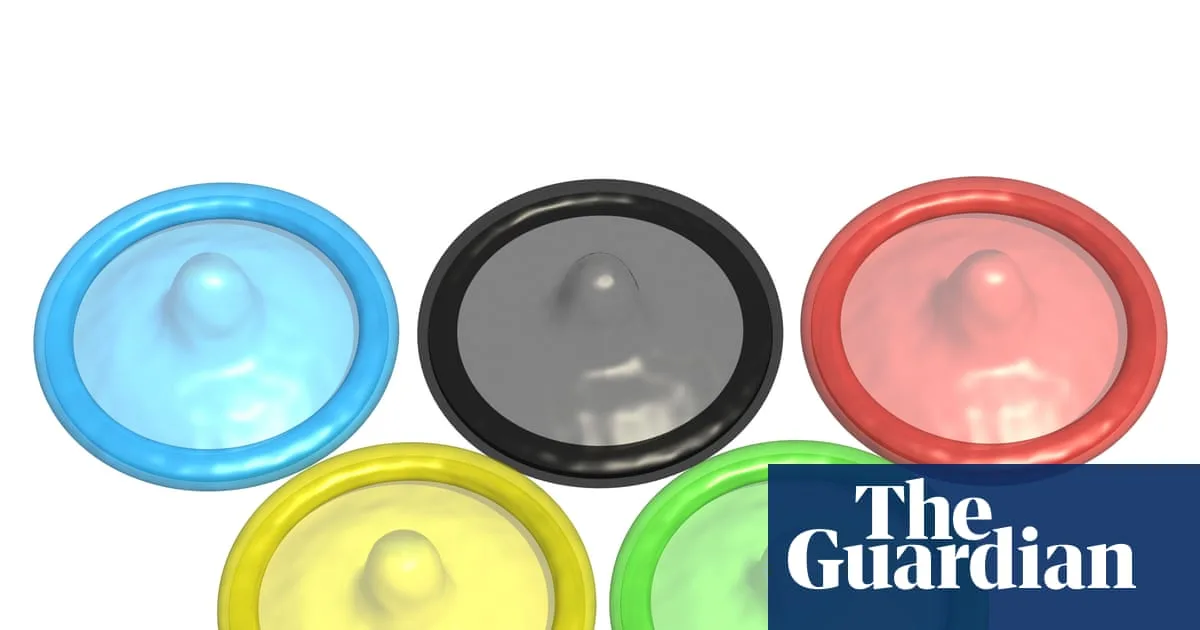
Reports from the 2026 Winter Olympics in northern Italy reveal that event organisers distributed 10,000 complimentary condoms to approximately 3,000 athletes. However, according to Italian newspaper La Stampa, the entire supply was exhausted within just three days. An unnamed participant noted that while Paris 2024 provided 300,000 condoms—equating to two per day per athlete—the Winter Games allocation was significantly lower, leading to shortages and promises of restocking.

This situation is not unprecedented; during the Sydney 2000 Games, officials had to urgently order an additional 20,000 condoms after initial stocks vanished quickly. The high demand underscores the active social and romantic interactions that are a well-known aspect of the Olympic experience.

Athletes Celebrate Release After Intense Preparation

Peleteiro, 30, explained that the environment is fueled by athletes being in peak physical condition from year-round training. "Everyone is ripped from training all year, everyone is in great shape, and you have been super focused on the goal all year," she said. "When you finally let loose, if it goes well, it's time to celebrate, and if not, it's time to drown your sorrows. It's wonderful." She added that as a married woman, she is not personally involved, but she appreciates the dynamic.

An unnamed former Olympic champion echoed this sentiment in an interview with CNN, stating that romantic encounters are an integral part of the Games. "Anyone who wants to be naive and say they don't know what's going on in the village are lying to themselves," the athlete said. "They know, the officials know, even the media. It's not a secret, everyone knows! [Sex] is all part of the Olympic spirit."

Privacy Measures and Cultural Norms

The former champion detailed how athletes manage privacy, with roommates using signals on doors to indicate when they are "busy" and coaches sometimes standing guard. Despite the introduction of cardboard beds at recent Games—designed to discourage sexual activity—the condom shortage indicates these measures have had little effect on slowing down interactions.

Peleteiro described the Milan Village, located in Cortina d'Ampezzo, as a temporary housing complex where global competitors can relax after demanding training. Rumours of raucous celebrations and excess have long circulated, with some athletes, like famed American snowboarder Shaun White, openly discussing the party culture. White once claimed the US squad hosted the best "room parties" and labelled Australians as the "craziest party animals."

Historical Context and Broader Implications

Accounts of Olympic adventures extend beyond bedrooms. For instance, during the 2010 Winter Olympics in Vancouver, six athletes from Germany, Canada, and Australia allegedly participated in a late-night "whirlpool party" that escalated into a "whirlpool orgy," as described by an unidentified skier. These stories highlight how the Village serves as a unique social hub where competitors bond and unwind.

The ongoing condom distribution and shortages reflect a tacit acknowledgment by organisers of the intimate activities that occur. As Peleteiro and others have noted, this aspect of the Olympics is seen as a natural outcome of the intense pressure and camaraderie among athletes, offering a humanising glimpse into life beyond the competition spotlight.