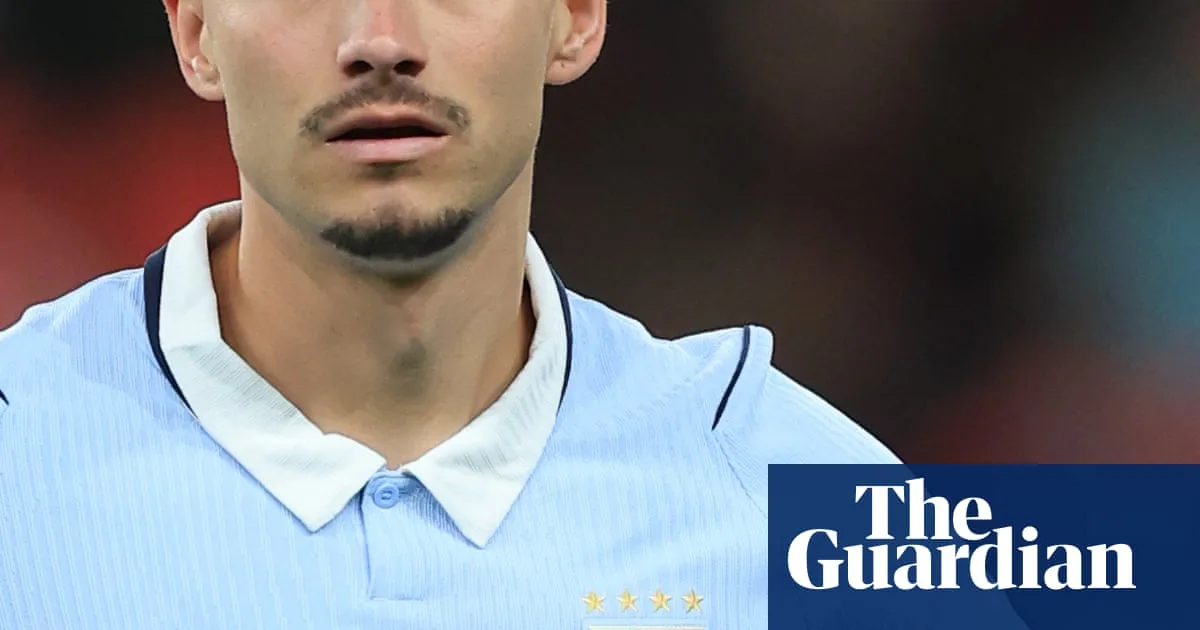
Nike Admits Major Design Flaw in World Cup Kits Including England's
Nike Admits Design Flaw in World Cup Kits Including England

Sportswear giant Nike has publicly admitted to a major design flaw in its newly released World Cup football kits, which include the highly anticipated England strip. The company confirmed the error following widespread criticism from fans and observers who noticed unsightly bulging around the shoulder seams during recent international friendlies.

Fan Backlash Over Expensive Kits

The issue came to light as England debuted their new kit in matches against Japan and Uruguay, with eagle-eyed supporters quickly pointing out the aesthetic defect. This is particularly galling for many, given that the official England shirt retails for a staggering £134.99, making it the most expensive Three Lions kit in history, even when accounting for inflation.

While much of the initial complaint focused on the premium pricing, the design flaw has amplified dissatisfaction. Social media platforms have been set alight with furious comments, with many labelling the situation "a complete joke" and expressing concerns that it could significantly impact sales.

Wide Pickt banner — collaborative shopping lists app for Telegram, phone mockup with grocery list

Nike's Official Response

In a statement provided to The Guardian, a Nike spokesperson acknowledged the problem: "During the recent international break, we observed a minor issue with our Nike national team kits, most noticeable around the shoulder seam. Performance is unaffected, but the overall aesthetic is not where it needs to be."

The spokesperson continued, emphasizing the company's standards: "We always hold ourselves and our products to the highest standards and this fell short. We're working quickly to make this right for players and fans, because every kit should reflect the care, precision and pride that the game deserves."

Widespread Impact and Market Reaction

The design flaw is not isolated to England. It also affects the Nike kits for other national teams competing in the upcoming World Cup, including France, Canada, and Uruguay. This broad impact has intensified scrutiny on the sportswear manufacturer's quality control processes.

The situation has had tangible market consequences. Disgruntled fans have reportedly begun turning to the black market, where Chinese-made replicas are available for a fraction of the official price. This shift represents a potential significant commercial blow for Nike, which had heavily promoted these kits as premium products.

Contrast with Promised Innovation

The admission is especially awkward given Nike's earlier marketing claims. The company had hailed the new England kit as representing "a refreshed design approach that evolves England's football identity for a new generation."

Central to this promotional narrative was the touted Aero-FIT performance cooling technology. Nike described this as "our most advanced cooling apparel system," engineered with "computational design and a highly specialized, stitch-specific knitting process" to help athletes stay cool in extreme tournament conditions. The company claimed it delivers "more than twice the airflow of legacy fabrics."

This technological promise now stands in stark contrast to the basic aesthetic failure that has drawn such widespread criticism, raising questions about the balance between innovation and fundamental quality assurance in high-stakes product launches.

Looking Forward

Nike has committed to resolving the issue promptly for both players and supporters. However, the damage to consumer confidence may be more lasting. The incident serves as a cautionary tale about the risks associated with launching premium products under intense global scrutiny, where even minor defects can escalate into major public relations challenges.

As the World Cup approaches, all eyes will be on whether Nike can implement effective corrections in time for the tournament, and whether affected teams will take to the field in kits that meet the high standards expected by players and fans alike.

Pickt after-article banner — collaborative shopping lists app with family illustration