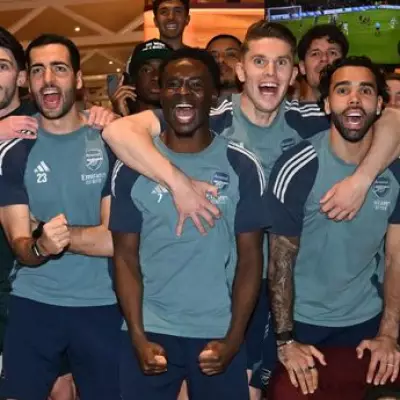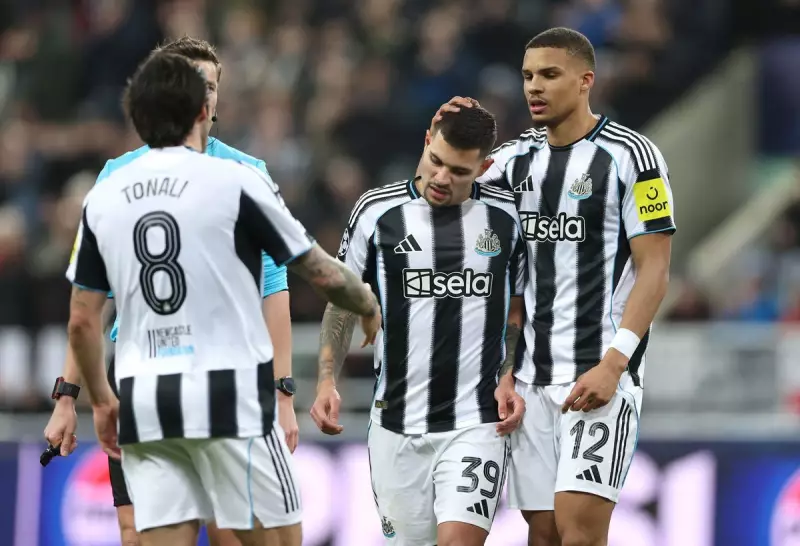
Newcastle United have become a compelling case study in the evolving landscape of the Champions League, embodying both the trials and the potential thrills of the competition's restructured format. Under the guidance of manager Eddie Howe, the Magpies experienced the brutal nature of the old system, only to find themselves navigating the complexities of the new league phase, which promises drama until the very end.
The Ghost of Formats Past: Newcastle's Previous European Heartbreak
Two years ago, Newcastle United endured a dramatic and devastating conclusion to their Champions League group stage campaign. Within a frantic half-hour period, their fortunes swung wildly from securing qualification for the knockout rounds, to seemingly settling for a Europa League spot, before ultimately crashing out of European competition altogether. This rollercoaster unfolded in the notoriously tough Group F, a stark reminder of the simplicity and simultaneous cruelty of the traditional four-team pool system. There was no safety net when a lead against AC Milan evaporated into a costly defeat.
A New Landscape of Simultaneous Suspense
The current format introduces a different kind of tension. As the first stage reaches its climax, Newcastle find themselves among a cluster of teams on 13 points, with their final match against Paris Saint-Germain carrying immense weight. The simultaneous kick-off of 18 matches means the league table could require constant recalculation, with numerous results directly impacting United's fate. This setup creates a broad, league-wide jeopardy, though the competitive balance remains concentrated, with the majority of top contenders hailing from the Premier League, Serie A, and La Liga.

Critics of the expanded 36-team format, where 24 progress, argue it dilutes true peril. However, last season's play-off round, which eliminated giants like Manchester City, AC Milan, and Juventus, suggests the stakes remain high. The motivation to avoid that extra hurdle extends far beyond merely securing a free midweek in February.
Navigating the Narrow Margins
Newcastle's campaign has been defined by hovering around the critical cut-off points throughout. Their league position has fluctuated from 11th to as high as sixth after various matchdays, always in contention but never securely placed. Costly moments, like conceding a late equaliser away to Bayer Leverkusen and dropping leads against Marseille, highlight the fine margins that could ultimately define their season. This very narrowness, however, was often absent in the old group stage, where many pools lacked such consistent danger—though Newcastle's 2023 group with PSG, Milan, and Dortmund was a notable exception.
Contrasting Campaigns: From Spectacle to Steady Progress
The new system, which sees teams face opponents from different seeding pots, has yielded a different kind of success for Newcastle. While they haven't produced a singular, iconic night to rival the 4-1 demolition of PSG at St James' Park in 2023, they have demonstrated impressive efficiency. Victories against established European sides like Benfica, Athletic Bilbao, and PSV Eindhoven, all achieved with clean sheets, have been methodical and effective. This consistent form has already guaranteed a play-off place, marking the club's deepest run in this competition for two decades.
Yet, perspective is key. Only one of those victories came against a team from a top-five European league (Athletic Bilbao). The financial might of the Premier League suggests English clubs should dominate such fixtures, but the reality has been less predictable. Surprise results elsewhere, including losses for Manchester City and Liverpool against less-fancied opposition, have contributed to the logjam that makes the battle for eighth place so seismic.
The Final Showdown and Lasting Legacy
As Newcastle prepare for their decisive trip to the Parc des Princes, they do so from a position of relative strength but acute pressure. Securing a top-eight finish and bypassing the play-off round may require a victory in Paris. The drama may not reach the concentrated, explosive peak of their 2023 group finale, but that underscores a flaw in the old format: too few groups were ever as compelling as Newcastle's was that year.

The revamped Champions League, with its broader league phase and simultaneous final day, offers a different, more protracted brand of suspense. Newcastle United, having been victims of the old system's brutality, are now central characters in testing whether the new format can deliver a thrilling and fair climax to European football's premier competition.