Legendary CBS Sports commentator Jim Nantz has publicly defended his network's coverage of the Masters Tournament following significant viewer criticism. The backlash emerged as Rory McIlroy secured a historic back-to-back victory at Augusta National, becoming only the fourth golfer ever to retain the Masters title.
Historic Victory Overshadowed by Broadcasting Controversy
Rory McIlroy's remarkable achievement on Sunday marked his second consecutive Masters victory, coming just twelve months after he completed the career Grand Slam with his initial triumph in Georgia. This monumental moment in golf history, however, was partially overshadowed by widespread dissatisfaction with how CBS Sports presented the tournament to audiences.
In the United States, CBS provided live coverage of the Masters, with Sky Sports utilizing their core feed for United Kingdom viewers. The network has held broadcasting rights for the prestigious tournament since 1956, but this year's production decisions sparked considerable debate among fans and analysts alike.

Camera Angle Controversy During Championship Moment
The most contentious aspect of CBS's coverage occurred during the tournament's decisive moment. As McIlroy stood over a simple tap-in putt on the 18th hole to seal his victory, CBS chose to broadcast the shot from behind the Northern Irish golfer. This camera angle slightly obscured the view of the ball, forcing viewers to gauge McIlroy's jubilant reaction to determine whether he had successfully completed the putt.
This production choice generated immediate criticism across social media platforms and sports discussion forums, with many viewers expressing frustration at missing a clear view of the championship-winning moment.
Jim Nantz Responds to Criticism
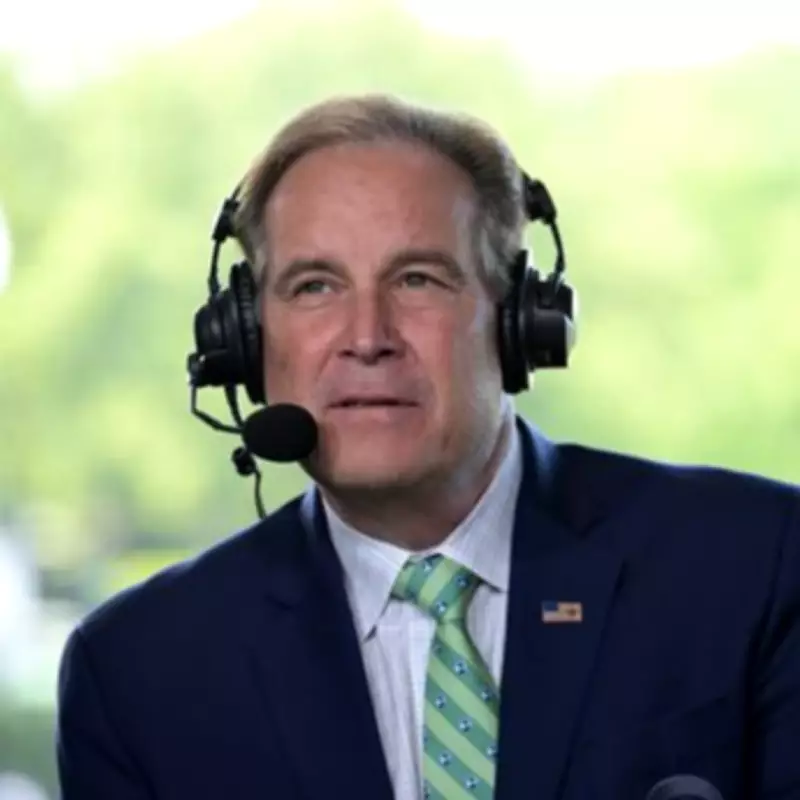
During an appearance on The Pat McAfee Show, veteran commentator Jim Nantz addressed the growing controversy surrounding CBS's Masters coverage. The 66-year-old broadcaster, who has been the voice of the Masters on CBS for decades, acknowledged the challenges of live television production while defending his network's team.
"It's live television. We all make mistakes," Nantz stated. "If he [McIlroy] would have missed it, we would have had the all-time story in the history of golf. But I'm really proud of our crew. You're making so many decisions. Split-second decisions."
Nantz elaborated on the complexity of producing major sporting events, noting: "The things that were shown, produced by our crew…hundreds of people involved over the course of four days, some 30 hours of television. I can't speak to the difficulty and some of the decision-making, and some of the other things that people are responsible for. I just know that our crew is the best in the business. I just walk away with warm memories and a lot of pride for what everybody did."
Rival Network Analyst Offers Contrasting Perspective
While Nantz defended CBS's production choices, rival network NBC's lead golf analyst Kevin Kisner offered a starkly different assessment of the coverage. Speaking on the Foreplay podcast, Kisner was openly critical of CBS's approach to broadcasting the 90th Masters Tournament.
"What are we doing? You have no commercials. Play live shots," Kisner asserted. "Our production team at NBC prides themselves on playing every shot that they possibly can live. When we can't, we have to say, 'a moment ago' because we're trying to make the whole movie make sense."
Kisner further criticized what he perceived as significant delays in CBS's coverage, stating: "I have no idea what they're doing. Literally no idea. There was a couple shots in the two days that I'm telling you were seven to 10 minutes behind. It was unbelievable."
Broader Production Decisions Under Scrutiny
Beyond the controversial camera angle during McIlroy's winning putt, CBS faced broader criticism for their production decisions throughout the tournament. Viewers and analysts questioned the network's choices regarding which golfers to feature and when to switch between different parts of the course.

The debate highlights the ongoing challenges sports broadcasters face in balancing comprehensive coverage with compelling storytelling, particularly during major tournaments where every decision is scrutinized by millions of viewers worldwide.
As golf continues to grow in popularity and broadcasting technology advances, the expectations for flawless production continue to rise, putting additional pressure on networks like CBS to deliver perfect coverage of historic sporting moments.