Manchester United's Managerial Dilemma: Carrick's Future Debated Amidst Success
Man Utd's Managerial Dilemma: Carrick's Future Debated

Manchester United's Managerial Crossroads: Carrick's Interim Success Sparks Debate

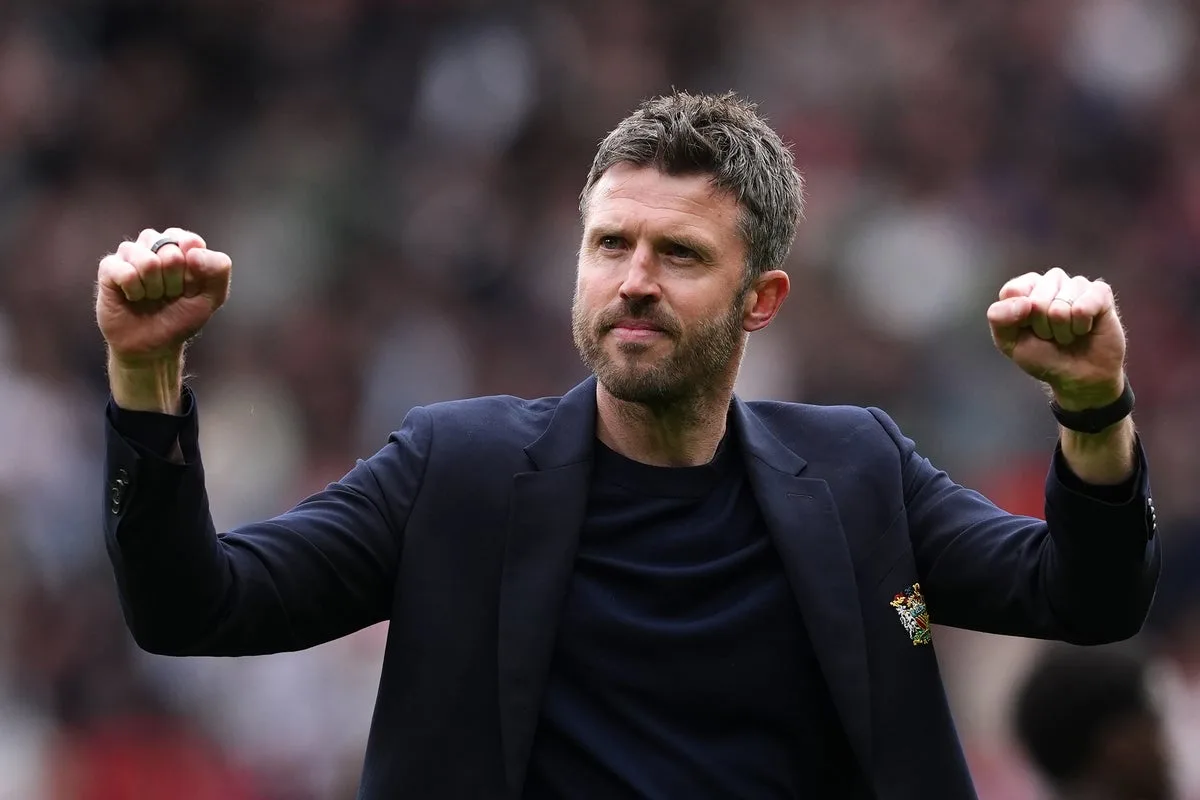
Manchester United have experienced a remarkable resurgence under the interim leadership of Michael Carrick, with the former midfielder guiding the club to an impressive five-game undefeated streak, including four consecutive victories. This unexpected upturn in form has ignited intense discussions within the football community about whether Carrick should be handed the permanent managerial role, challenging the club's initial strategy of pursuing a more high-profile appointment in the summer.

Original Plans Under Threat as Candidates Withdraw

Initially, Manchester United had targeted several elite managers, such as England's Thomas Tuchel, Brazil's Carlo Ancelotti, and Mauricio Pochettino. However, Tuchel has since committed to a new contract with the Three Lions, while Ancelotti appears set to extend his deal. Pochettino, meanwhile, is being courted by his former club Tottenham Hotspur. This shift in availability has forced United to reconsider their options, placing Carrick's interim success under the microscope.

Divergent Opinions Among Football Analysts

Daniel Orme argues against a permanent appointment for Carrick, drawing parallels with Ole Gunnar Solskjaer's tenure. He emphasizes that while Carrick's start is commendable, United require a proven winner to restore their dominance. Orme suggests Enzo Maresca, a former Chelsea manager with a Championship title to his name, as a viable alternative, noting his tactical acumen and potential for long-term success.

John Cross expresses caution, warning against repeating a cycle of interim managers leading to temporary improvements followed by decline. He acknowledges Carrick's positive impact and the addition of Steve Holland to his coaching staff but stresses that United need stability and world-class leadership, ideally someone like Thomas Tuchel, who is now unavailable.

Felix Keith contends that if Carrick secures a top-four finish, which seems increasingly likely, he should be appointed permanently. Keith highlights Carrick's steadying influence, player respect, and tactical simplicity as key factors. He cautions, however, that United should remain open to world-class alternatives if they emerge.

Jeremy Cross adopts a conditional stance, stating that Carrick deserves the job only if he achieves Champions League qualification. He points to Carrick's understanding of the club and his ability to re-energize the squad, contrasting this with past failures under high-profile managers like Jose Mourinho and Louis van Gaal.

Neil McLeman supports Carrick's retention, citing the lack of compelling alternatives and the need for continuity. He notes that qualifying for the Champions League, possibly through a top-five finish, would be a significant achievement, especially given the competitive landscape involving clubs like Liverpool and Chelsea.

Andy Dunn sets a clear benchmark: Carrick must secure Champions League football to warrant the permanent role. He praises Carrick's potential, calmness, and tactical skills but insists that elite management demands results. Dunn suggests that failure could open the door for other candidates, such as Gareth Southgate.

The Path Forward for Manchester United

As the season progresses, Manchester United's hierarchy faces a pivotal decision. Carrick's interim success has undeniably shifted the narrative, but the club must weigh short-term gains against long-term ambitions. With Champions League qualification within reach, the outcome of this campaign will likely determine whether Carrick is entrusted with leading the Red Devils into a new era or if United revert to their original plan of seeking a marquee manager.