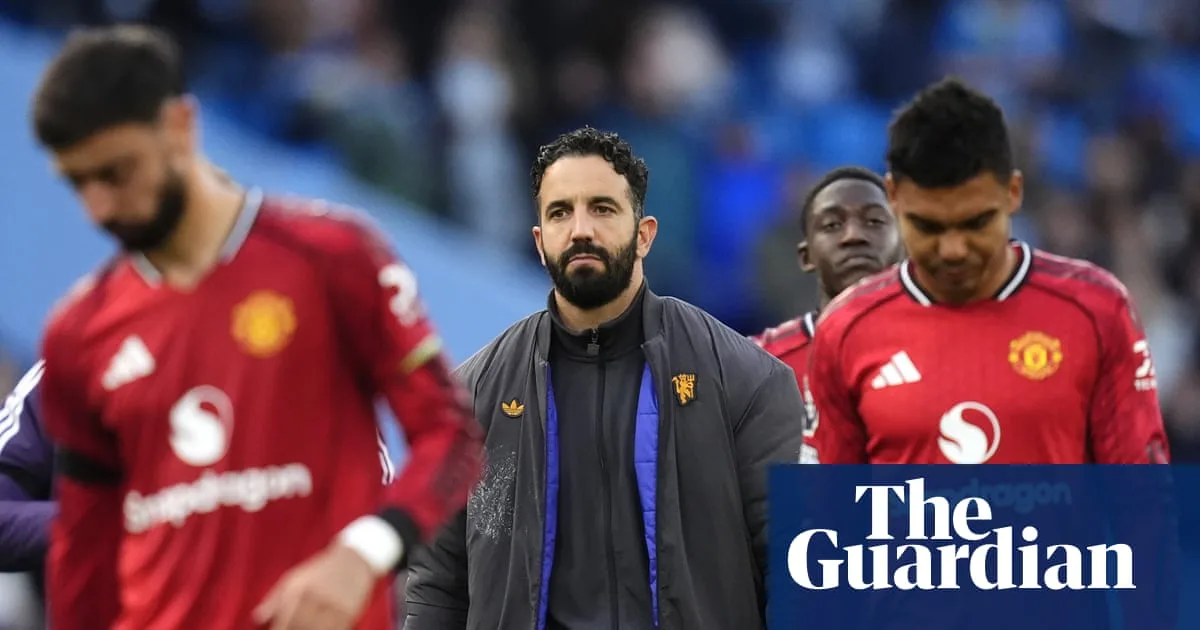
Manchester United have reported a £22m charge from the sacking of former manager Ruben Amorim in January, but improved on-field performance and aggressive cost-cutting under co-owner Jim Ratcliffe helped halve pre-tax losses to £18m in the first nine months of the financial year.
The club’s successful pursuit of Champions League football under interim-turned-permanent manager Michael Carrick drove a 57% rise in broadcast income to nearly £65m in the third quarter. As a result, United upgraded its full-year revenue forecast to between £655m and £665m, up from an earlier prediction of £640m-£660m.
Despite the revenue boost, Ratcliffe’s cost-cutting campaign continued. The club reduced operating expenses by £19m to £525m in the nine-month period, achieved through hundreds of staff redundancies, closure of the staff canteen, and replacing free lunches with fruit. These savings were more than offset by the payoff to Amorim and his backroom staff, which amounted to £16.7m plus a £5.2m non-cash write-off.
“The cost of removing managers continues to haunt the club,” said Stefan Borson, football finance expert at McCarthy Denning. However, on an operating basis, United swung from a £3.2m loss to a £37.7m profit year-on-year. Net debt interest of £20m, including a £480m facility related to the Glazer family’s 2005 takeover, contributed to the overall pre-tax loss, which was still an improvement on the £36m loss in the prior period.
Borson described the results as “solid with few surprises”, adding that the revenue forecast is now a “base case” given the lack of European football this season. Next season, a £20m training kit sponsorship with Betway and an estimated £80m from Champions League qualification under Carrick are expected to bolster finances.